The Renaissance of Wooden Ceilings: Bridging Modern Heritage with Sustainable Elegance
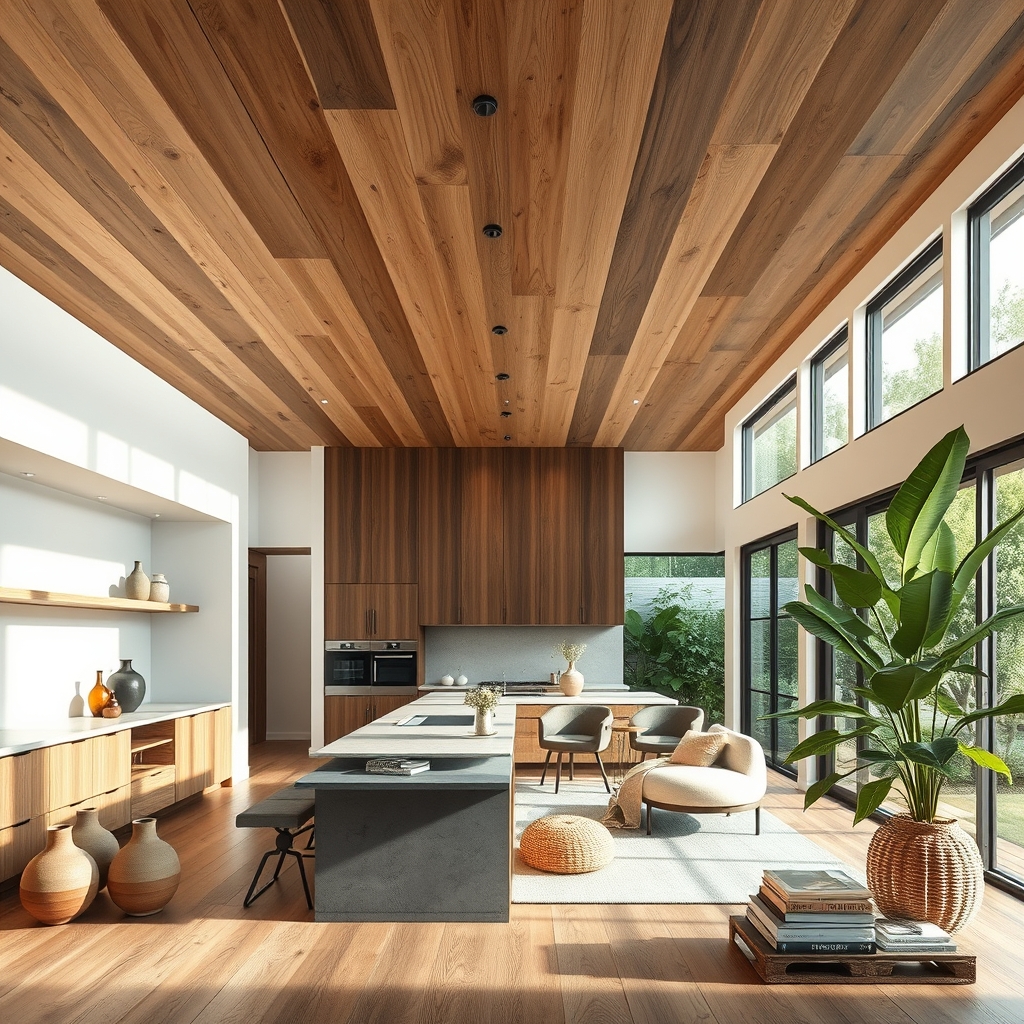
In the ever-evolving world of interior design, few elements manage to strike the delicate balance between timeless heritage and contemporary innovation as seamlessly as wooden ceilings. Once a staple in traditional architecture, wooden ceilings are experiencing a renaissance, emerging as a defining feature in modern homes that prioritize warmth, sustainability, and a deep connection to nature. This resurgence is not merely a nod to the past but a thoughtful evolution, where the raw beauty of wood meets the demands of today’s design ethos—biophilic principles, sustainable materials, and multi-functional spaces.
The Return of Wooden Ceilings: A Marriage of Form and Function
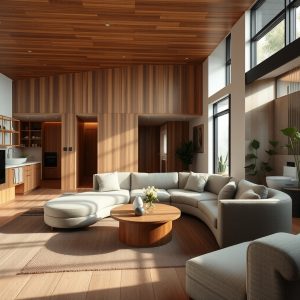
Wooden ceilings have long been celebrated for their ability to infuse spaces with warmth and character. Historically, they were a symbol of craftsmanship, often adorned with intricate carvings or exposed beams that told a story of the home’s origins. Today, their appeal lies in their versatility. Whether it’s the rich, dark tones of walnut, the light, airy hues of oak, or the rustic charm of reclaimed timber, wooden ceilings can adapt to any aesthetic—from the sleek lines of modern minimalism to the cozy embrace of warm, earthy palettes.
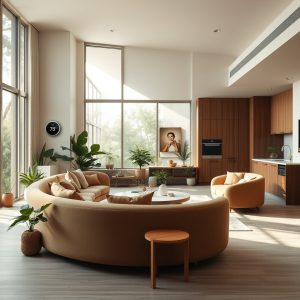
One of the most compelling reasons for their comeback is their ability to soften the often stark lines of contemporary architecture. In open-concept living spaces, where the boundaries between kitchen, dining, and living areas blur, a wooden ceiling acts as a unifying element, grounding the space and adding a layer of texture that complements other design features like curved furniture or textured surfaces. It’s a subtle yet powerful way to introduce organic warmth into a home, creating an environment that feels both inviting and intentional.
Sustainability at the Forefront: The Eco-Conscious Choice
As sustainability continues to shape consumer choices, wooden ceilings have emerged as a frontrunner in eco-friendly design. The use of responsibly sourced wood, such as FSC-certified timber or reclaimed materials, aligns with the growing demand for sustainable interiors. Unlike synthetic alternatives, wood is a renewable resource that sequesters carbon, making it a far more environmentally responsible choice. Additionally, advancements in wood treatment and finishing techniques have extended its lifespan, ensuring that wooden ceilings remain a durable and low-maintenance option for modern homes.
For homeowners looking to reduce their environmental footprint without compromising on style, wooden ceilings offer a compelling solution. They can be paired with other sustainable materials, such as cork or bamboo flooring, to create a cohesive, eco-conscious design scheme. Moreover, the natural insulating properties of wood contribute to energy efficiency, helping to regulate indoor temperatures and reduce reliance on heating or cooling systems—a perfect complement to smart thermostats and other energy-saving technologies.
Biophilic Design: Bringing the Outdoors In
The principles of biophilic design, which emphasize the human connection to nature, have never been more relevant. Wooden ceilings play a pivotal role in this movement, acting as a bridge between the built environment and the natural world. The grain, texture, and color variations inherent in wood evoke the outdoors, fostering a sense of tranquility and well-being within the home. This is particularly impactful in urban settings, where access to green spaces may be limited.
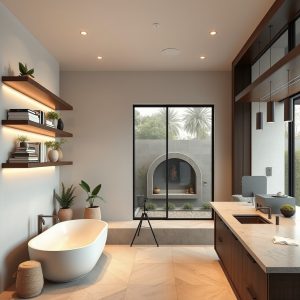
Incorporating wooden ceilings into spaces like spa bathrooms or multi-functional rooms can enhance the biophilic experience. Imagine stepping into a bathroom where the ceiling mimics the dappled light of a forest canopy, or a home office where the warmth of wood inspires creativity and focus. These design choices not only elevate the aesthetic appeal of a space but also contribute to mental and emotional well-being, making wooden ceilings a holistic addition to any home.
Modern Innovations: Blending Tradition with Technology
While wooden ceilings are rooted in tradition, their modern iterations are anything but outdated. Today’s designers are reimagining this classic element with innovative techniques and technologies. For instance, hidden lighting integrated into wooden slats can create a soft, ambient glow, enhancing the ceiling’s visual impact while adding functionality. Similarly, acoustic panels disguised as wooden planks can improve sound quality in open-concept spaces, making them ideal for homes that double as work or entertainment hubs.
Another exciting development is the use of mixed wood tones within a single ceiling design. This approach, which layers different shades and finishes, adds depth and complexity to a space, much like the interplay of light and shadow in a natural setting. When combined with other contemporary elements—such as floating shelves, aged metals, or smart bidets—wooden ceilings become part of a larger narrative of modern heritage, where the old and the new coexist harmoniously.
Kitchen Zoning and Multi-Functional Spaces
In the era of multi-functional rooms, wooden ceilings are proving to be a game-changer in defining zones within open-concept layouts. For example, a kitchen with a wooden ceiling can be visually separated from the adjacent living area, creating a sense of intimacy without the need for walls. This technique, known as kitchen zoning, allows homeowners to delineate spaces while maintaining the flow and connectivity that open-concept designs are known for.
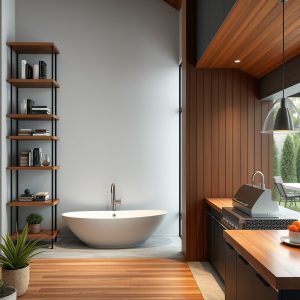
Wooden ceilings also lend themselves beautifully to outdoor kitchens, where the goal is to blur the lines between indoor and outdoor living. By extending the ceiling material from the interior to the exterior, designers can create a seamless transition that enhances the overall cohesion of the home. This approach not only elevates the aesthetic appeal but also reinforces the connection to nature, a cornerstone of biophilic design.
Textured Surfaces and Warm Minimalism
The rise of warm minimalism—a design philosophy that embraces simplicity without sacrificing warmth—has further cemented the role of wooden ceilings in contemporary interiors. Unlike the cold, sterile minimalism of the past, warm minimalism prioritizes tactile experiences and organic materials. Wooden ceilings, with their inherent texture and warmth, are a natural fit for this aesthetic. They add a layer of visual interest that prevents spaces from feeling too stark or impersonal, while their natural variations ensure that no two ceilings are exactly alike.
Pairing wooden ceilings with other textured surfaces, such as linen upholstery, stone countertops, or woven rugs, creates a rich, multi-sensory environment. This interplay of textures not only enhances the aesthetic appeal but also makes spaces feel more lived-in and welcoming. It’s a testament to the power of design to evoke emotion and create a sense of belonging.
The resurgence of wooden ceilings is more than just a trend—it’s a reflection of a broader shift in how we approach home design. As we seek to create spaces that are not only beautiful but also sustainable, functional, and deeply connected to nature, wooden ceilings offer a timeless solution that honors the past while embracing the future. Whether through the use of reclaimed materials, innovative lighting, or mixed wood tones, they remind us that the best designs are those that stand the test of time, evolving with us as our needs and values change. In a world where the lines between tradition and innovation are increasingly blurred, wooden ceilings stand as a testament to the enduring power of natural beauty and thoughtful craftsmanship.