Modern Heritage Meets Contemporary Flair: The Rise of Mixed Wood Tones and Smart Living
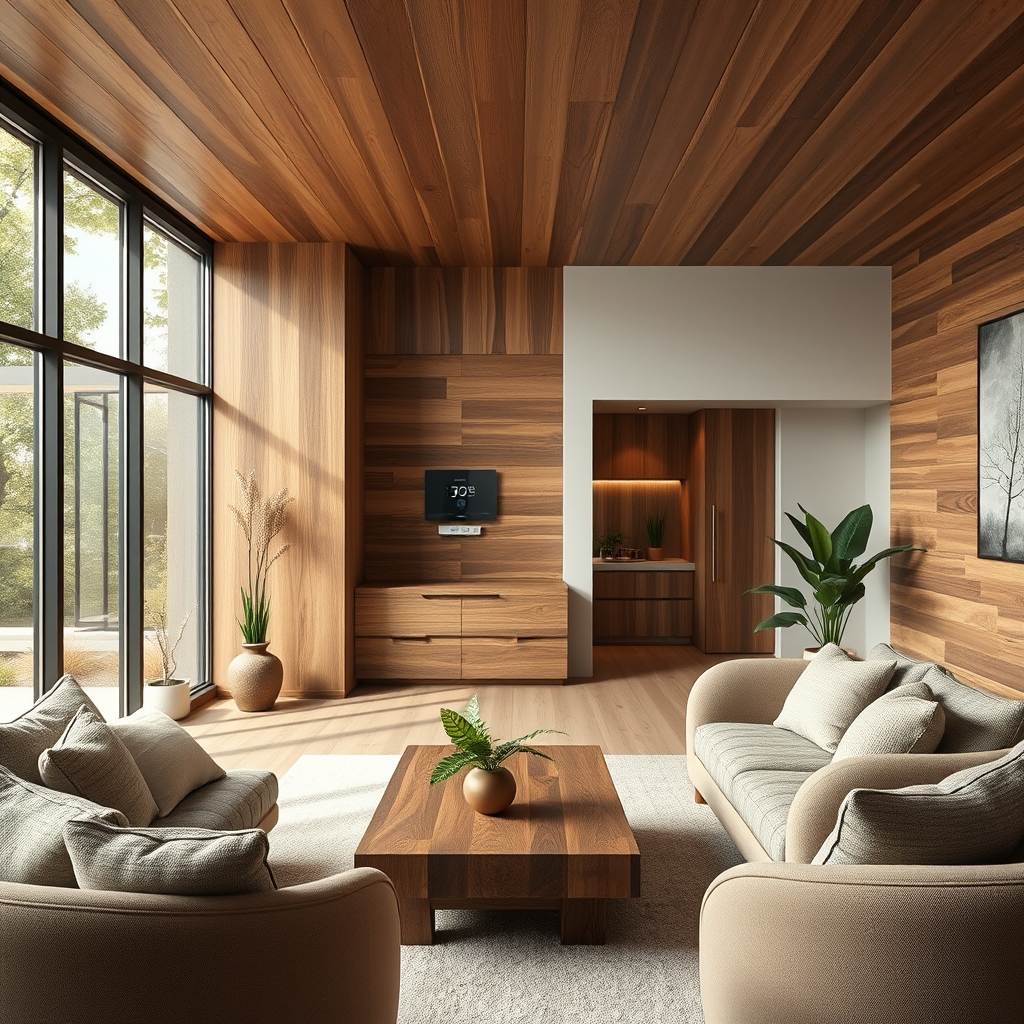
In the ever-evolving world of interior design, the fusion of modern heritage with contemporary elements has become a defining trend. Homeowners and designers alike are embracing spaces that honor the past while seamlessly integrating the innovations of today. This approach not only creates visually stunning environments but also fosters a sense of warmth, functionality, and timelessness. At the heart of this movement lies the artful use of mixed wood tones, a design choice that adds depth, character, and a touch of nature to any space.
The Allure of Mixed Wood Tones
Gone are the days when uniformity was the golden rule in interior design. Today, the strategic blending of different wood tones—from light oak to rich walnut, and everything in between—is celebrated for its ability to create dynamic and layered spaces. Mixed wood tones bring a sense of authenticity and craftsmanship, evoking the charm of modern heritage while keeping the look fresh and contemporary. Whether it’s through furniture, flooring, or architectural details, this trend allows for personal expression and a break from the monotony of single-toned interiors.
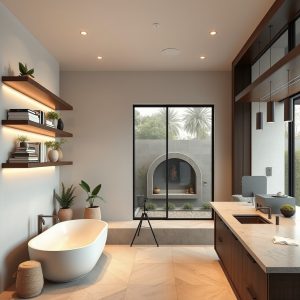
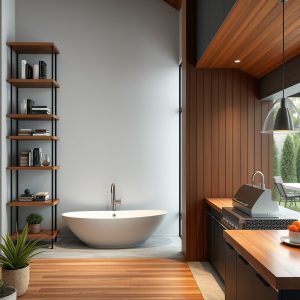
One of the key benefits of mixing wood tones is the visual interest it introduces. A room with varying wood finishes can feel more inviting and lived-in, as if each piece has its own story to tell. For example, pairing a dark walnut dining table with lighter oak chairs or shelving can create a striking contrast that draws the eye and adds dimension. Similarly, incorporating wooden ceilings with a mix of tones can elevate a space, making it feel both grand and cozy. The key to success lies in balance—ensuring that the tones complement rather than compete with one another.
How to Master the Art of Mixing Wood Tones
While the idea of mixing wood tones is exciting, it can also be daunting for those unsure of where to start. The first step is to choose a dominant wood tone that will serve as the foundation for the space. This could be the tone of your flooring, a large piece of furniture, or even cabinetry. Once the dominant tone is established, introduce secondary wood tones through smaller elements like side tables, chairs, or decorative accents. A good rule of thumb is to stick to a ratio of 60-30-10: 60% for the dominant tone, 30% for the secondary tone, and 10% for an accent tone to add a pop of contrast.
Another effective strategy is to use wood tones that share a similar undertone. For instance, if your dominant tone has warm undertones, opt for secondary tones that also lean warm, even if they vary in darkness. This creates a cohesive look while still allowing for variety. Additionally, consider the finish of the wood—mixing matte, satin, and glossy finishes can add another layer of texture and depth to the space. Don’t be afraid to experiment with different grains and patterns, as these can further enhance the visual appeal of mixed wood tones.
Smart Living: The Perfect Companion to Modern Heritage
As much as we cherish the aesthetic appeal of modern heritage, there’s no denying the role that technology plays in shaping our living spaces. Smart living has become an integral part of contemporary design, offering convenience, efficiency, and a touch of futurism. From smart bidets to intelligent thermostats, these innovations are not just about gadgets—they’re about enhancing the way we live, work, and interact with our homes.
One of the most exciting developments in smart living is the integration of technology into everyday spaces without compromising on style. For example, hidden pantries equipped with smart storage solutions can keep clutter at bay while maintaining the clean lines of a modern kitchen. Similarly, spa bathrooms with smart bidets and temperature-controlled showers can transform a daily routine into a luxurious experience. These innovations are designed to blend seamlessly with the aesthetic of the home, ensuring that functionality and beauty go hand in hand.
The Role of Sustainable Materials in Smart Design
In today’s world, sustainability is no longer an option—it’s a necessity. The shift toward eco-conscious living has influenced interior design in profound ways, with sustainable materials taking center stage. Reclaimed wood, bamboo, cork, and recycled metals are just a few examples of materials that are not only environmentally friendly but also add a unique character to a space. When combined with smart technology, these materials can create homes that are both stylish and responsible.
For instance, wooden ceilings made from reclaimed timber can add warmth and texture to a room while reducing the demand for new resources. Similarly, furniture crafted from sustainably sourced wood or recycled metals can contribute to a circular economy, where materials are reused and repurposed rather than discarded. The beauty of sustainable materials lies in their ability to tell a story—each scratch, knot, or patina is a testament to their journey, adding a layer of authenticity to modern interiors.
Creating Multi-Functional Spaces for Modern Lifestyles
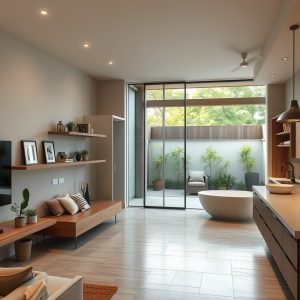
The way we use our homes has evolved dramatically over the years. With remote work, flexible schedules, and the blending of personal and professional lives, the demand for multi-functional spaces has never been higher. Open-concept layouts are evolving to accommodate these changes, with kitchen zoning, floating shelves, and textured surfaces playing pivotal roles in defining different areas within a single space.
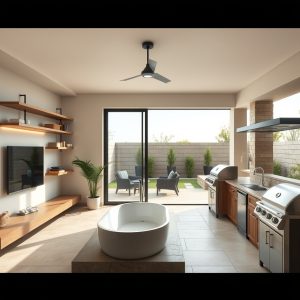
Kitchen zoning, for example, involves creating distinct areas for cooking, dining, and socializing within an open-concept kitchen. This can be achieved through the strategic placement of furniture, lighting, and even flooring materials. Floating shelves can serve as both storage and display, adding functionality without taking up valuable floor space. Meanwhile, textured surfaces—whether through wall treatments, countertops, or fabrics—can help delineate zones while adding visual interest.
Outdoor kitchens are another trend that reflects the desire for multi-functional living. These spaces extend the home’s footprint, providing a seamless transition between indoor and outdoor environments. Equipped with durable materials, smart appliances, and comfortable seating, outdoor kitchens are perfect for entertaining, relaxing, or even working in a fresh-air setting. They embody the essence of modern living—where boundaries are fluid, and every space is designed to serve multiple purposes.
As we continue to navigate the complexities of modern life, our homes have become more than just places to live—they are sanctuaries, workspaces, and hubs of creativity. The fusion of modern heritage with contemporary design elements like mixed wood tones, smart technology, and sustainable materials allows us to create spaces that are not only beautiful but also deeply personal. These trends remind us that design is not just about aesthetics; it’s about crafting environments that reflect who we are, how we live, and the values we hold dear. In a world that often feels fast-paced and disconnected, our homes offer a sense of grounding, warmth, and belonging—qualities that are timeless, no matter the era.