The Future of Home Design: Where Warm Minimalism Meets Smart Innovation
The evolution of home design is a fascinating journey, one that reflects our changing lifestyles, values, and technological advancements. Today, the most compelling interiors are those that strike a balance between aesthetic appeal and functional innovation. They embrace the past while looking firmly toward the future, creating spaces that are not only beautiful but also deeply livable. At the heart of this movement lies a blend of warm minimalism, sustainable materials, and smart home integrations that redefine what it means to live well.
The Rise of Warm Minimalism
Minimalism has long been associated with stark, cold spaces—white walls, sleek lines, and an almost clinical absence of clutter. However, the latest iteration of this design philosophy is anything but sterile. Warm minimalism infuses minimalist principles with cozy, inviting elements, creating spaces that feel both refined and comfortable. Think soft, earthy palettes, natural textures, and a curated selection of meaningful objects rather than an abundance of decor.
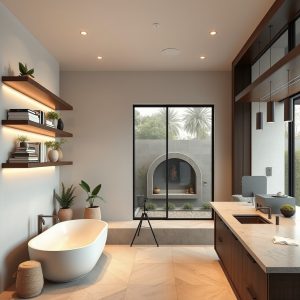
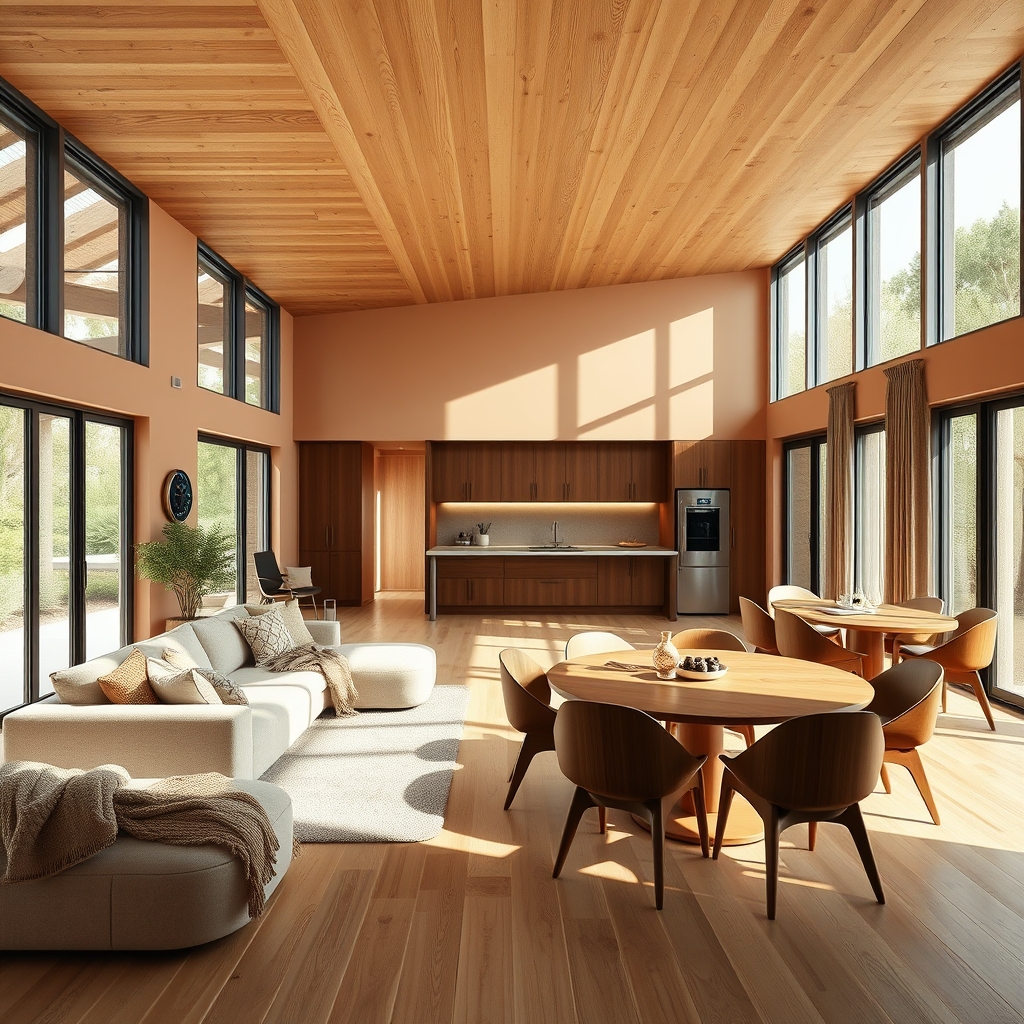
This approach often incorporates mixed wood tones, from light oak to rich walnut, layered in a way that adds depth without overwhelming the space. The key is subtlety—wooden ceilings, floating shelves, or a statement dining table can anchor a room while maintaining a sense of openness. When paired with textured surfaces like linen, wool, or handwoven rugs, the result is a home that feels effortlessly sophisticated yet undeniably warm.
Biophilic Design: Bringing the Outdoors In
Our connection to nature is innate, and biophilic design seeks to nurture that bond within our living spaces. This philosophy goes beyond simply adding a few houseplants; it’s about integrating natural elements in ways that enhance well-being. Large windows that flood rooms with natural light, indoor water features, and the use of organic materials like stone, clay, and wood are all hallmarks of this approach.
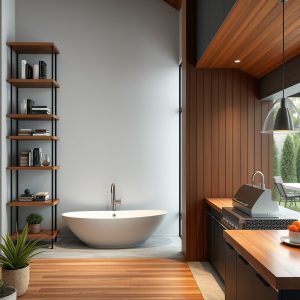
One of the most striking ways to embrace biophilic design is through wooden ceilings. Whether it’s reclaimed barn wood or sleek, modern planks, a wooden ceiling adds warmth and character while drawing the eye upward, creating a sense of expansiveness. When combined with earthy palettes—think soft greens, warm terracottas, and muted browns—the effect is a space that feels grounded and serene, as if the outdoors has seamlessly merged with the indoors.
The Smart Home Revolution
Technology has become an integral part of modern living, and home design is no exception. The smart home revolution is not just about convenience; it’s about creating spaces that adapt to our needs, enhance our comfort, and even improve our health. Smart thermostats, for instance, learn our preferences and adjust temperatures automatically, ensuring optimal comfort while reducing energy consumption. Meanwhile, smart bidets are gaining popularity for their ability to provide a spa-like experience with customizable settings for water temperature, pressure, and even air drying.
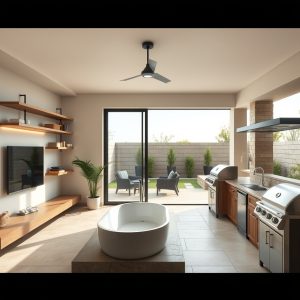
In the kitchen, innovation is transforming the way we cook and entertain. Kitchen zoning—the practice of dividing the kitchen into distinct areas for prep, cooking, and cleaning—is evolving with the help of smart appliances. Hidden pantries with touchless access, induction cooktops with precise temperature control, and voice-activated lighting are just a few examples of how technology is making kitchens more efficient and enjoyable. For those who love to entertain, outdoor kitchens are becoming an extension of the indoor space, complete with weather-resistant smart grills and refrigeration units.
The Evolution of Open Concept Living
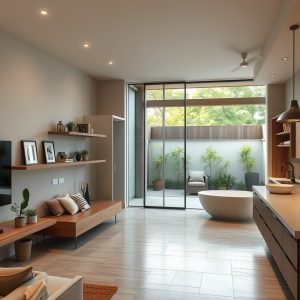
Open concept living has been a dominant trend for decades, but it’s undergoing a subtle transformation. While the idea of seamless flow between spaces remains popular, there’s a growing emphasis on creating distinct zones within those open areas. This is where multi-functional rooms come into play. A living room might double as a home office, with a sleek desk tucked into a corner and floating shelves providing storage without sacrificing floor space. Similarly, a dining area could transform into a cozy reading nook with the addition of a built-in banquette and soft lighting.
Furniture plays a crucial role in this evolution. Curved furniture, with its soft lines and organic shapes, is making a comeback as a way to define spaces without the need for walls. A rounded sofa or a circular dining table can create a natural division between areas while maintaining an open, airy feel. Meanwhile, colour drenching—the practice of painting walls, ceilings, and even trim in the same hue—can unify a space while adding depth and drama.
Sustainability as a Design Principle
As awareness of environmental issues grows, so does the demand for sustainable materials in home design. Homeowners are increasingly seeking out eco-friendly options that don’t compromise on style or durability. Reclaimed wood, recycled metal, and low-VOC paints are just a few examples of materials that are both beautiful and responsible. Even aged metals, with their weathered patinas, are being embraced for their ability to add character while reducing the need for new resources.
Spa bathrooms are another area where sustainability is taking center stage. Water-saving fixtures, energy-efficient lighting, and natural stone or bamboo vanities are becoming standard in modern bathroom design. The result is a space that not only pampers the senses but also aligns with a more sustainable way of living.
Designing a home today is about more than just aesthetics; it’s about creating a space that reflects who we are and how we want to live. Whether it’s the warmth of mixed wood tones, the tranquility of biophilic elements, or the convenience of smart technology, the best interiors are those that adapt to our needs while nurturing our well-being. As we continue to redefine what it means to live well, one thing is clear: the future of home design is as much about innovation as it is about intention, where every choice is made with purpose and every space tells a story.