The Art of Blending Modern Heritage with Biophilic Design: A New Era of Home Aesthetics

In the ever-evolving world of interior design, the fusion of modern heritage and biophilic principles is redefining how we perceive and interact with our living spaces. This harmonious blend not only pays homage to timeless aesthetics but also embraces the innate human connection to nature, creating environments that are both visually stunning and emotionally nourishing. As we navigate this design revolution, several key trends are emerging, each contributing to a more thoughtful, sustainable, and soulful home.
The Rise of Mixed Wood Tones and Earthy Palettes
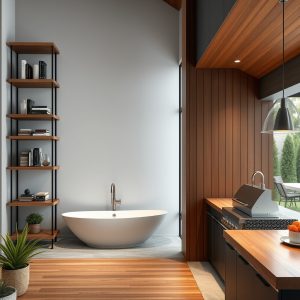
Gone are the days of matching wood finishes and monotonous color schemes. Today’s interiors celebrate the beauty of mixed wood tones, where light oak, rich walnut, and warm teak coexist in perfect harmony. This approach adds depth and character to spaces, reflecting the organic diversity found in nature. Complementing these wood tones are earthy palettes—think warm terracotta, soft sage, deep ochre, and muted clay—that ground the design while evoking a sense of tranquility. These hues are not just visually appealing; they also foster a calming atmosphere, making them ideal for both living areas and spa bathrooms.
Colour Drenching: A Bold Statement
For those who crave drama and personality, colour drenching has become a go-to technique. Unlike traditional accent walls, this trend involves saturating an entire room in a single, rich hue, creating an immersive and cohesive look. Whether it’s a moody navy blue in a reading nook or a vibrant emerald green in a kitchen, colour drenching transforms spaces into bold, statement-making sanctuaries. When paired with mixed wood tones and textured surfaces, the effect is nothing short of breathtaking, striking a balance between modernity and warmth.
Curved Furniture and Organic Shapes
The rigid lines of minimalist design are giving way to softer, more organic forms. Curved furniture, from sofas to coffee tables, is making a comeback, offering a sense of fluidity and comfort. These pieces not only soften the overall aesthetic but also encourage a more relaxed and inviting atmosphere. When combined with biophilic design elements like wooden ceilings or aged metals, curved furniture creates a seamless transition between the built environment and the natural world, reinforcing the idea that our homes should be a refuge from the outside chaos.
The Allure of Aged Metals and Textured Surfaces
Aged metals, such as brass, copper, and wrought iron, are adding a touch of vintage charm to contemporary interiors. These materials bring warmth and patina, evoking a sense of history and craftsmanship. When used in lighting fixtures, hardware, or decorative accents, they contrast beautifully with smooth surfaces like marble or glass, adding layers of visual interest. Textured surfaces, whether in the form of woven textiles, rough-hewn stone, or hand-scraped wood, further enhance this tactile experience, making spaces feel more lived-in and authentic.
Smart Innovations: Bidets, Thermostats, and Hidden Pantries
Modern heritage isn’t just about aesthetics—it’s also about functionality and sustainability. Smart bidets, for instance, are revolutionizing bathroom design by offering hygiene and comfort without compromising on style. These sleek, minimalist fixtures blend seamlessly into spa bathrooms, aligning with the trend toward wellness-focused living. Similarly, smart thermostats are becoming a staple in eco-conscious homes, allowing homeowners to optimize energy use while maintaining a comfortable indoor climate. Meanwhile, hidden pantries and kitchen zoning are redefining open-concept spaces, providing clever storage solutions that keep clutter at bay while preserving the flow of the room.
Biophilic Design: Bringing the Outdoors In
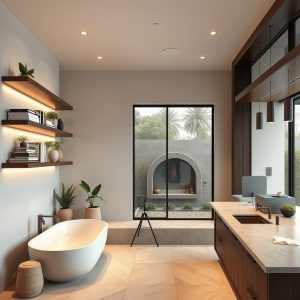
At the heart of this design movement is biophilic design, a philosophy that seeks to integrate nature into our built environments. From wooden ceilings that mimic the canopy of a forest to floating shelves adorned with lush greenery, biophilic elements are transforming homes into serene, life-affirming spaces. Large windows that frame views of gardens, indoor water features, and the use of sustainable materials like bamboo or reclaimed wood further strengthen this connection to nature. The result is a home that not only looks beautiful but also promotes well-being and mindfulness.
The Evolution of Open Concept and Multi-Functional Rooms
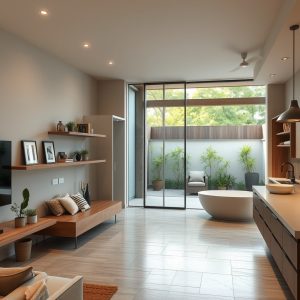
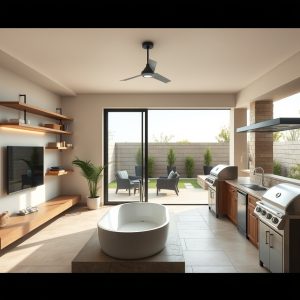
The open-concept layout has long been a favorite for its ability to create a sense of spaciousness and connectivity. However, as our lifestyles evolve, so too does the way we use these spaces. Multi-functional rooms are becoming increasingly popular, with areas designed to serve multiple purposes—think a home office that doubles as a guest room or a kitchen that seamlessly transitions into an outdoor dining space. This flexibility is particularly valuable in urban settings, where square footage is often limited. By incorporating movable partitions, modular furniture, and clever zoning, homeowners can adapt their spaces to meet their changing needs without sacrificing style or comfort.
Warm Minimalism: Less but Better
Minimalism has been a dominant force in interior design for years, but the cold, stark aesthetic of the past is being replaced by a warmer, more inviting approach. Warm minimalism focuses on quality over quantity, using a restrained palette of earthy tones, natural materials, and thoughtfully curated decor. The goal is to create spaces that feel uncluttered yet cozy, where every piece has a purpose and a story. This philosophy aligns perfectly with the principles of modern heritage and biophilic design, as it emphasizes authenticity, sustainability, and a deep connection to the natural world.
The fusion of modern heritage and biophilic design is more than just a trend—it’s a reflection of our collective desire to create homes that are not only beautiful but also meaningful. By embracing mixed wood tones, earthy palettes, and organic shapes, we can craft spaces that honor the past while looking toward the future. The integration of smart innovations and sustainable materials ensures that these homes are as functional as they are aesthetically pleasing, while the principles of biophilic design remind us of the importance of staying connected to nature. In this new era of home design, the possibilities are as endless as they are inspiring, inviting us to reimagine what it means to live well.