The Silent Revolution: How Cutting-Edge Home Design is Redefining Comfort and Efficiency
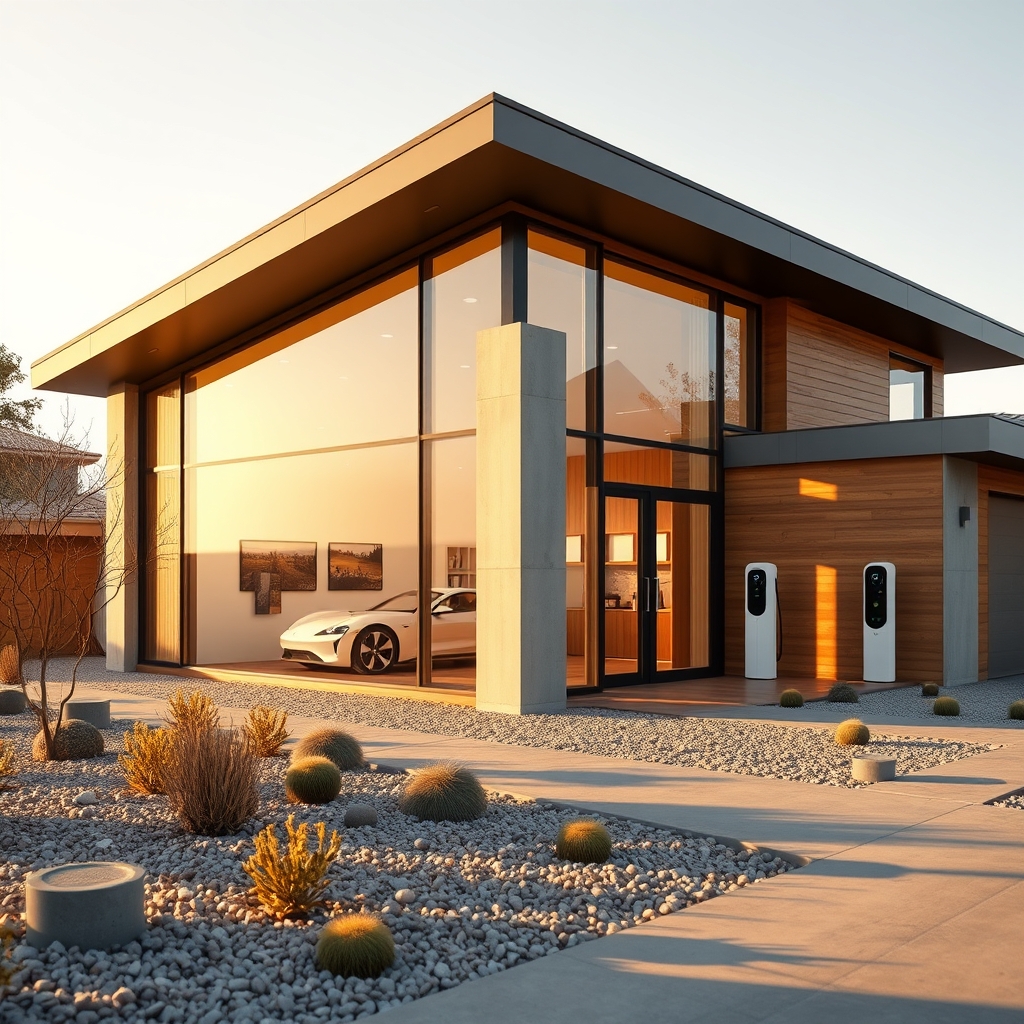
The modern home is no longer just a shelter; it’s a living, breathing ecosystem designed to adapt to our needs while minimizing its environmental footprint. As climate concerns grow and lifestyles evolve, architects and builders are embracing innovative techniques that prioritize sustainability, accessibility, and seamless functionality. These advancements aren’t just about aesthetics—they’re about creating spaces that enhance well-being, reduce energy consumption, and future-proof our living environments.
The Rise of Net Zero Homes: Where Sustainability Meets Savings
Net zero homes represent the gold standard in energy-efficient living. By generating as much energy as they consume—often through solar roof integration and high-efficiency appliances—these homes drastically cut utility bills while shrinking carbon footprints. The secret lies in a holistic approach: airtight construction, high-performance insulation, and smart energy management systems that optimize power usage. Homeowners are no longer just consumers of energy; they’re producers, feeding excess power back into the grid and turning their properties into mini power stations.
But the benefits extend beyond cost savings. Net zero homes often feature healthy building materials—non-toxic, locally sourced, and durable—ensuring better indoor air quality and long-term resilience. From reclaimed wood to low-VOC paints, these materials reduce off-gassing and create healthier living spaces, particularly for those with allergies or sensitivities.
Smart Framing and Prefabricated Modules: Building Faster, Smarter, and Greener
Traditional construction methods are notorious for waste, delays, and inefficiencies. Enter smart framing and prefabricated modules, two game-changers in modern homebuilding. Smart framing uses advanced software to optimize lumber placement, reducing material waste by up to 30% while maintaining structural integrity. This method not only cuts costs but also speeds up construction, allowing homeowners to move in sooner.
Prefabricated modules take efficiency a step further. Built in controlled factory settings, these modules are assembled on-site in a fraction of the time required for conventional builds. The precision of factory construction minimizes errors, reduces weather-related delays, and ensures consistent quality. Plus, modular homes can be designed to meet Passive House standards, achieving exceptional energy efficiency with minimal environmental impact.
Universal Design: Homes That Grow With You
Accessibility is no longer an afterthought—it’s a cornerstone of modern home design. Universal design principles ensure that homes are functional and comfortable for people of all ages and abilities. Wider doorways, step-free entryways, and lever-style handles are just a few examples of how homes can be adapted to accommodate mobility challenges without sacrificing style. These features aren’t just for aging populations; they make life easier for parents with strollers, individuals recovering from injuries, and even guests with temporary limitations.
Multi-generational layouts are another growing trend, reflecting the shift toward shared living spaces. These designs incorporate private suites with separate entrances, soundproofed walls, and flexible common areas, allowing families to live together while maintaining independence. The result? Homes that foster connection without compromising privacy.
Comfort Meets Efficiency: The Tech Behind the Magic
Modern homes are smarter than ever, thanks to home automation hubs that integrate lighting, security, climate control, and even electric vehicle charging into a single, user-friendly system. Voice-activated assistants, motion-sensor lighting, and automated blinds adjust to daily routines, enhancing convenience while reducing energy waste. For example, smart thermostats learn household patterns and optimize heating and cooling, cutting energy use by up to 20%.
Heating and cooling systems have also evolved. Radiant floor heating provides consistent warmth without the drafts of forced-air systems, while energy recovery ventilators (ERVs) ensure fresh air circulation without losing heat or coolness. These systems work in tandem with acoustic insulation to create quiet, comfortable interiors—free from the hum of HVAC units or outdoor noise.
Landscaping for the Future: Beauty Without Waste
The exterior of a home is just as important as its interior, and drought-tolerant landscaping is leading the charge in sustainable outdoor design. Native plants, permeable paving, and xeriscaping reduce water consumption while creating vibrant, low-maintenance gardens. These landscapes thrive in local climates, supporting biodiversity and reducing the need for chemical fertilizers or excessive irrigation.
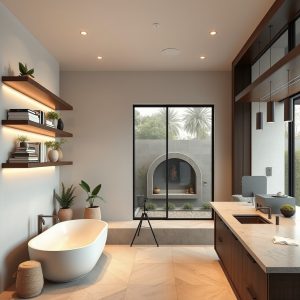
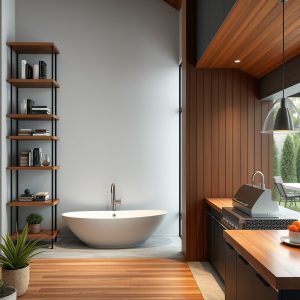
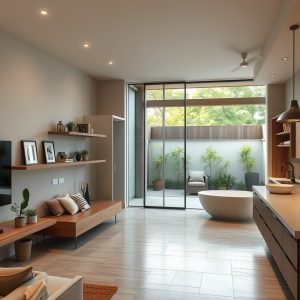
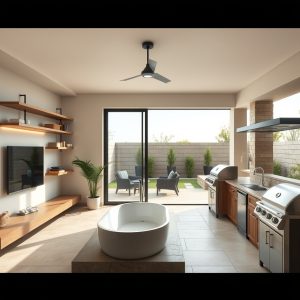
Rainwater harvesting systems take sustainability a step further by capturing and storing rainwater for irrigation, flushing toilets, or even drinking (with proper filtration). Paired with minimalist architecture—clean lines, large windows, and open spaces—these homes blur the boundaries between indoor and outdoor living, creating a seamless connection to nature.
Custom Touches: Where Function Meets Personal Style
No two homeowners are alike, and modern design embraces this diversity. Custom mudrooms offer tailored storage solutions for families, athletes, or outdoor enthusiasts, keeping clutter at bay while reflecting personal lifestyles. Meanwhile, cross-ventilated spaces maximize airflow, reducing reliance on air conditioning and creating healthier indoor environments. Large windows, strategically placed vents, and open floor plans ensure that fresh air circulates naturally, even on the hottest days.
For those who value durability and efficiency, concrete form construction provides a robust alternative to traditional wood framing. Insulated concrete forms (ICFs) offer superior insulation, soundproofing, and resistance to fire, pests, and extreme weather. While often associated with commercial buildings, ICFs are gaining popularity in residential projects for their longevity and energy-saving benefits.
The homes of today are a far cry from the cookie-cutter designs of the past. They’re dynamic, responsive, and built to last—spaces that adapt to our needs rather than forcing us to adapt to them. Whether it’s the quiet efficiency of a net zero home, the inclusive design of a universally accessible space, or the seamless integration of smart technology, these innovations are reshaping what it means to live comfortably and sustainably. The future of home design isn’t just about keeping up with trends; it’s about creating spaces that nurture both people and the planet, proving that the most advanced homes are the ones that feel like home from the moment you step inside.