The Alchemy of Space: How Earthy Palettes and Curved Furniture Are Crafting the Home of Tomorrow
In the ever-evolving landscape of interior design, the home has become more than just a shelter—it’s a living, breathing entity that adapts to our emotions, routines, and aspirations. The latest trends are not just about aesthetics; they’re about creating spaces that nurture well-being, foster connection, and blur the lines between the natural and the man-made. At the heart of this transformation lies a delicate balance between earthy palettes, curved furniture, and the seamless integration of biophilic design, all underpinned by the quiet intelligence of smart home technology.
The Renaissance of Earthy Palettes
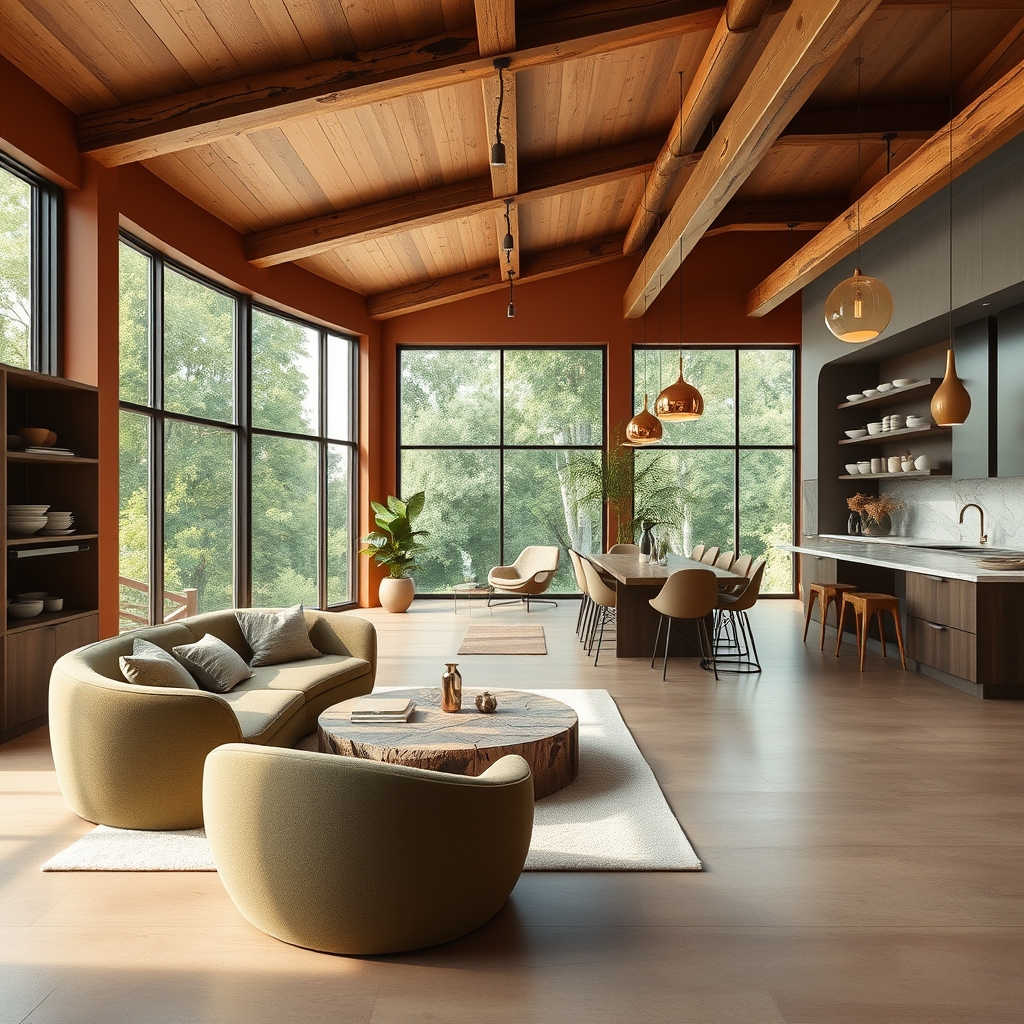
Gone are the days of stark whites and cold grays dominating interiors. Today’s homes are embracing warmth, depth, and a sense of groundedness through earthy palettes that draw inspiration from nature. Think terracotta, ochre, moss green, and warm taupes—colors that evoke the richness of the earth and the tranquility of a forest floor. These hues are not just visually soothing; they create an emotional anchor, making spaces feel more inviting and lived-in.
Designers are layering these tones with textured surfaces—think linen upholstery, handwoven rugs, and matte ceramics—to add dimension and tactile appeal. The result is a space that feels both modern and timeless, where every element contributes to a sense of harmony. When paired with aged metals like brass or bronze, these palettes take on a refined elegance, adding a touch of sophistication without overpowering the natural aesthetic.
The Soft Power of Curved Furniture
If earthy palettes are the soul of modern interiors, curved furniture is the body—softening edges, inviting movement, and breaking the rigidity of traditional design. The shift toward organic shapes is more than just a stylistic choice; it’s a response to our innate desire for comfort and fluidity in our living spaces. Sofas with gentle arcs, rounded coffee tables, and sculptural chairs are replacing the sharp angles of mid-century modernism, creating environments that feel more inclusive and less intimidating.
This trend is particularly impactful in open-concept living areas, where curved furniture helps define zones without the need for walls or dividers. A sinuous sectional can carve out a cozy conversation nook, while a round dining table encourages face-to-face interaction. The beauty of these pieces lies in their ability to make a space feel dynamic yet cohesive, as if the furniture itself is guiding the flow of movement.
Biophilic Design: Bringing the Outdoors In
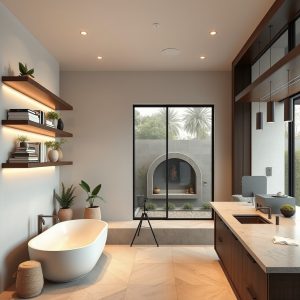
At the intersection of earthy palettes and curved furniture lies biophilic design, a philosophy that seeks to reconnect us with nature through our built environments. This approach goes beyond simply adding a few plants to a room; it’s about integrating natural elements in ways that enhance our physical and mental well-being. Think wooden ceilings that mimic the dappled light of a forest canopy, or large windows that frame views of greenery, blurring the boundary between indoors and out.
Materials play a crucial role here. Sustainable materials like reclaimed wood, cork, and stone are not only eco-friendly but also add warmth and authenticity to a space. Even smart bidets and spa bathrooms are getting in on the act, with designs that incorporate natural textures and soothing water features to create a sanctuary-like experience. The goal is to design spaces that don’t just look beautiful but also make us feel more alive, more connected to the world around us.
The Evolution of Open-Concept Living
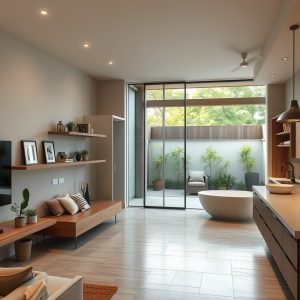
The open-concept layout has been a staple of modern design for decades, but its evolution is far from over. Today’s interpretations are all about kitchen zoning and multi-functional rooms that adapt to our ever-changing needs. The key is flexibility—spaces that can transition seamlessly from a morning coffee nook to a home office, then to an evening entertainment hub.
One of the most exciting developments in this space is the rise of hidden pantries and floating shelves, which allow homeowners to maintain a clean, uncluttered aesthetic while maximizing storage. These elements are often paired with smart thermostats and lighting systems that adjust to the time of day, further enhancing the functionality of the space. The result is a home that feels expansive yet intimate, where every square foot is thoughtfully utilized.
Warm Minimalism: Less but Better
In a world that often feels overwhelming, there’s a growing appetite for simplicity— but not the cold, sterile simplicity of the past. Warm minimalism is about paring back to the essentials while infusing spaces with warmth, texture, and personality. It’s a philosophy that values quality over quantity, where every piece of furniture and decor has a purpose and a story.
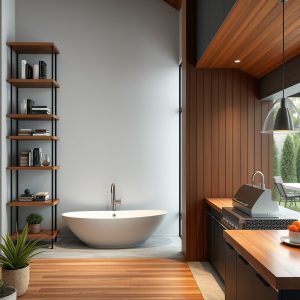
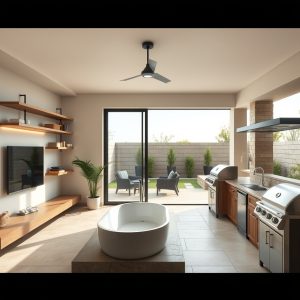
This approach is particularly evident in the way we design outdoor kitchens and living areas. No longer an afterthought, these spaces are being treated as extensions of the home, with the same attention to detail and materiality. Think teak dining sets, stone fire pits, and pergolas draped in climbing vines—elements that create a seamless transition between indoor and outdoor living. The result is a home that feels expansive, serene, and deeply personal.
The home of tomorrow is not just a reflection of our tastes; it’s a reflection of our values. It’s a space that embraces the past through modern heritage while looking forward with innovation and intention. Whether it’s the soft curves of a sofa, the rich tones of an earthy palette, or the quiet hum of a smart thermostat adjusting the temperature, every element is designed to enhance our lives in subtle yet profound ways. As we continue to redefine what it means to live well, one thing is clear: the most beautiful homes are those that feel like a warm embrace, a place where every detail has been thoughtfully considered, and every moment is an opportunity to connect—with ourselves, with each other, and with the world around us.