The Pulse of Sustainable Urbanism: How Shared Spaces, Solar Commons, and Bicycle Lanes Are Weaving a Greener Future
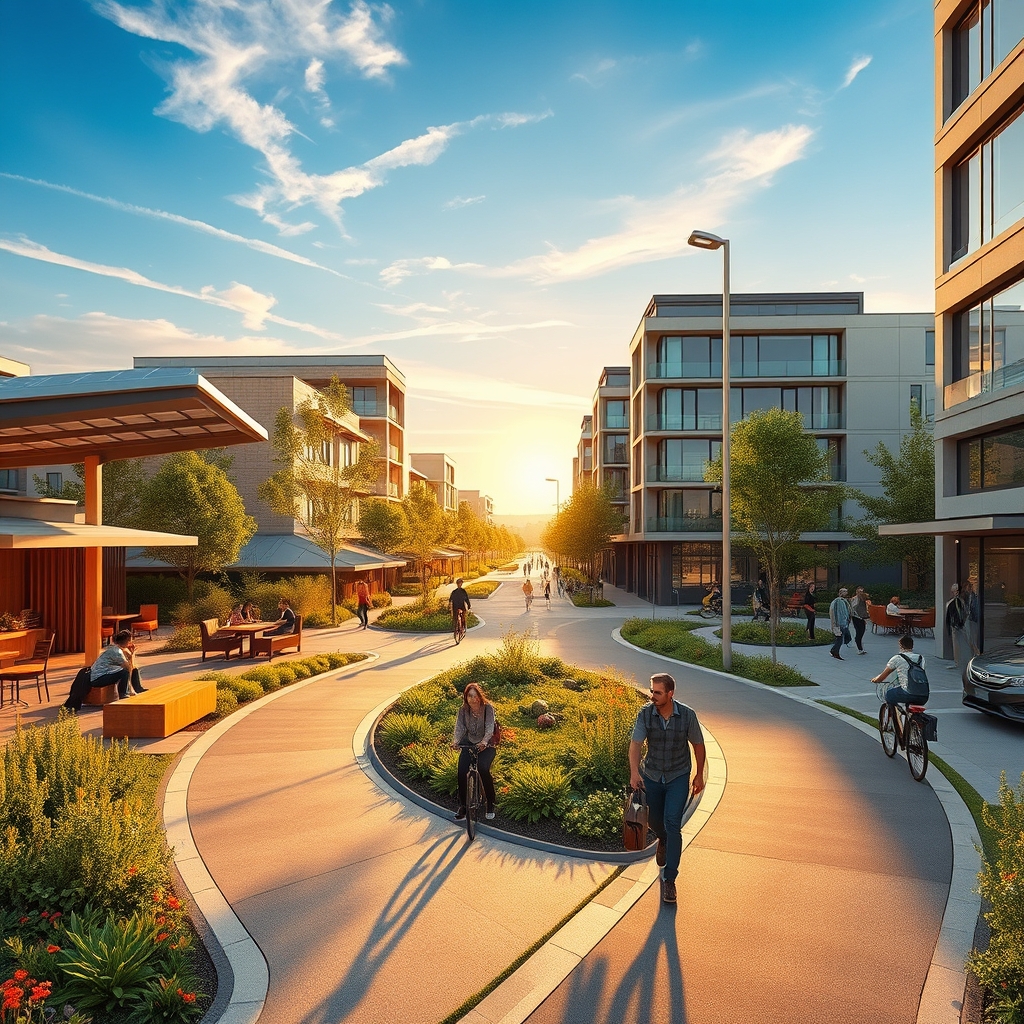
Cities are no longer just concrete jungles; they are evolving into dynamic ecosystems where sustainability and community thrive side by side. The shift toward greener urban living is not just about reducing carbon footprints—it’s about reimagining how we interact with our environment, our neighbors, and the very streets we walk on. At the heart of this transformation are innovative solutions like shared co-working spaces, solar-powered commons, and bicycle transit lanes, each playing a pivotal role in crafting cities that are not only eco-friendly but also vibrant and inclusive.
The Rise of Shared Co-Working Spaces: Fostering Collaboration and Reducing Urban Sprawl
In an era where remote work is becoming the norm, shared co-working spaces are emerging as a cornerstone of sustainable urban development. These spaces are more than just desks and Wi-Fi—they are hubs of creativity, collaboration, and community. By consolidating workspaces into centralized locations, cities can reduce the need for long commutes, thereby cutting down on traffic congestion and emissions. Moreover, these spaces often double as social hubs, hosting events, workshops, and networking opportunities that strengthen neighborhood bonds.
Imagine a city where professionals no longer need to travel miles to an office tower but instead walk or bike to a nearby co-working space nestled within a community pocket park. This not only reduces the environmental impact of daily commutes but also revitalizes local economies by keeping spending within the neighborhood. The integration of shared co-working spaces into urban planning is a testament to how cities can adapt to modern work cultures while prioritizing sustainability.
Solar-Powered Commons: Harnessing the Sun for Community Resilience
Energy is the lifeblood of any city, and the shift toward renewable sources is critical for a sustainable future. Solar-powered commons are a groundbreaking approach to decentralizing energy production, turning public spaces into powerhouses of clean energy. These commons, often equipped with solar panels, battery storage, and smart grids, provide communities with a reliable and sustainable energy source while reducing dependence on fossil fuels.
One of the most compelling aspects of solar-powered commons is their ability to foster energy independence. In neighborhoods where these systems are implemented, residents can share the energy generated, creating a microgrid that is both resilient and sustainable. During power outages or peak demand periods, these commons can act as backup energy sources, ensuring that critical services remain operational. Additionally, solar-powered commons often serve as educational hubs, where residents can learn about renewable energy and its benefits, further embedding sustainability into the fabric of the community.
Designing for Efficiency: The Role of Smart Street Lighting
Lighting is a fundamental aspect of urban infrastructure, but traditional streetlights are often energy-intensive and inefficient. Smart street lighting, powered by solar energy and equipped with motion sensors and adaptive brightness controls, is revolutionizing how cities illuminate their streets. These systems not only reduce energy consumption but also enhance safety by ensuring that lights are only on when needed.
Beyond energy savings, smart street lighting can be integrated with other urban technologies, such as traffic monitoring systems and air quality sensors, to create a more responsive and adaptive cityscape. For instance, lights can dim in areas with low foot traffic or brighten in response to increased activity, creating a dynamic and efficient lighting network. This level of adaptability is key to building cities that are not only sustainable but also responsive to the needs of their residents.
Bicycle Transit Lanes: Paving the Way for a Car-Free Future
The dominance of cars in urban planning has long been a barrier to sustainability, contributing to pollution, congestion, and a lack of safe spaces for pedestrians and cyclists. Bicycle transit lanes are a powerful solution to this challenge, offering a safe, efficient, and eco-friendly alternative to car travel. These lanes, often separated from vehicle traffic by barriers or green buffers, encourage more people to choose cycling as their primary mode of transportation.
The benefits of bicycle transit lanes extend beyond environmental impact. Cities with well-developed cycling infrastructure often see improved public health, as residents engage in more physical activity. Additionally, these lanes can boost local economies by increasing foot traffic to businesses along cycling routes. When combined with other green infrastructure elements, such as permeable pavement and native plant landscaping, bicycle lanes can transform urban streets into vibrant, multi-functional spaces that prioritize people over cars.
Integrating Nature: The Role of Native Plant Landscaping and Urban Foraging Zones
Green spaces are the lungs of a city, and their design plays a crucial role in sustainability. Native plant landscaping is a practice that prioritizes the use of indigenous plants in urban green spaces, reducing the need for water, pesticides, and maintenance. These plants are naturally adapted to the local climate and soil, making them more resilient and better for local wildlife. By incorporating native species into parks, streetscapes, and even rooftops, cities can create ecosystems that support biodiversity and improve air quality.
Urban foraging zones take this concept a step further by transforming public spaces into edible landscapes. These zones, often planted with fruit trees, herbs, and vegetables, provide residents with access to fresh, locally grown food while fostering a deeper connection to nature. In cities where food deserts are a concern, urban foraging zones can play a vital role in improving food security and promoting healthy eating habits. When combined with community pocket parks and wildlife conservation corridors, these spaces create a network of green infrastructure that benefits both people and the planet.
Building a Sustainable Future, One Neighborhood at a Time
The journey toward sustainable urbanism is not a one-size-fits-all endeavor. It requires a holistic approach that integrates green infrastructure, community engagement, and innovative design. From shared co-working spaces that reduce urban sprawl to solar-powered commons that decentralize energy production, each solution plays a unique role in shaping cities that are resilient, inclusive, and vibrant. As more neighborhoods embrace these innovations, the vision of a greener, more sustainable future becomes not just a possibility, but a reality unfolding before our eyes. The choices we make today will determine the kind of cities we leave for future generations—cities that breathe, adapt, and thrive in harmony with nature.