The Silent Revolution: How Microclimate Cooling Zones and Smart Urban Design Are Redefining City Comfort
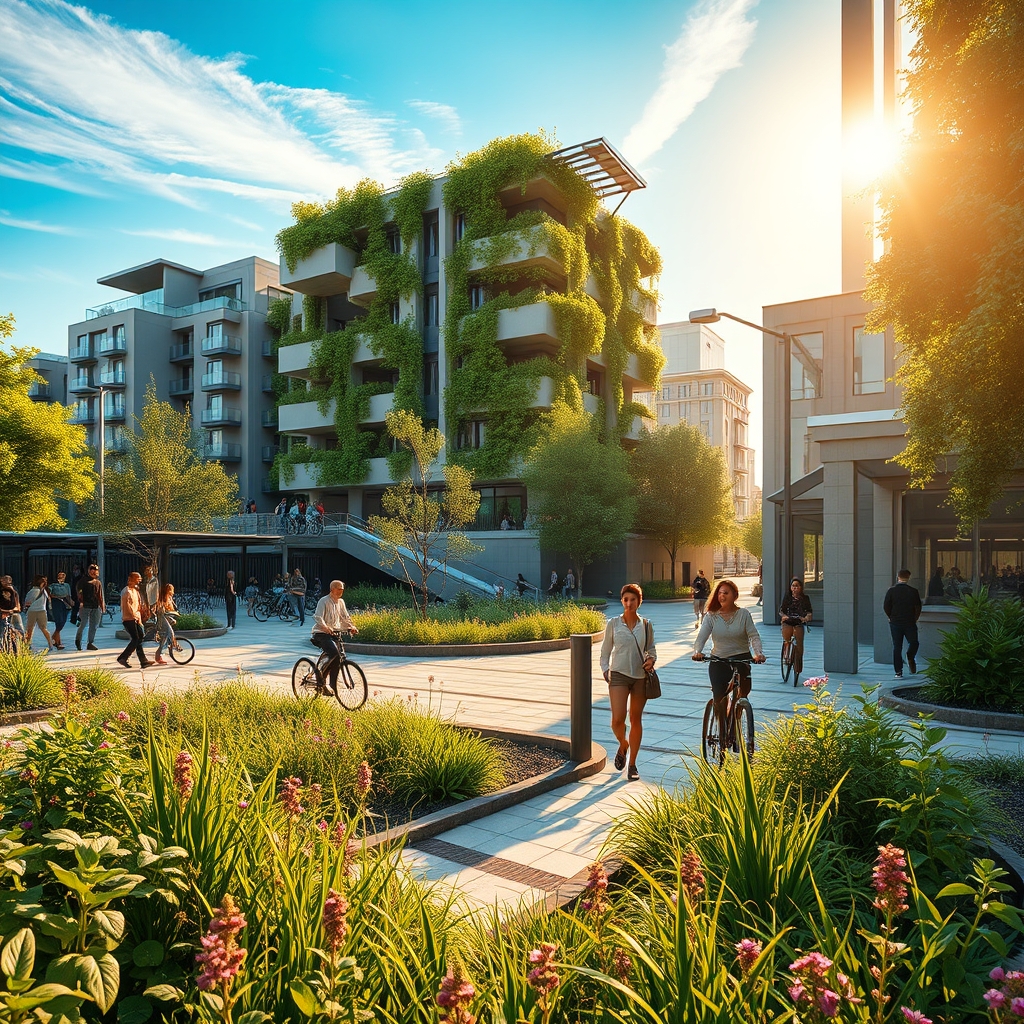
As cities grow denser and temperatures rise, urban planners and communities are turning to innovative solutions to combat the urban heat island effect. Among the most promising strategies are microclimate cooling zones—carefully designed spaces that leverage natural elements and smart technology to create pockets of relief in the concrete jungle. These zones are not just about lowering temperatures; they’re about reimagining how cities function, fostering resilience, and enhancing the quality of life for all residents.
The Science Behind Microclimate Cooling Zones
Microclimate cooling zones work by integrating a mix of green infrastructure, water features, and reflective surfaces to mitigate heat absorption. Unlike traditional parks or green spaces, these zones are strategically placed in high-density areas where heat buildup is most severe. For example, permeable pavement allows rainwater to seep into the ground, reducing surface temperatures through evaporation. Similarly, rain gardens and native plant landscaping not only absorb heat but also support local biodiversity, creating a symbiotic relationship between urban development and nature.
Smart street lighting plays a dual role in these zones. Equipped with sensors, these lights adjust their intensity based on pedestrian activity, reducing energy consumption while ensuring safety. Some systems even incorporate solar-powered components, further decreasing the carbon footprint of urban lighting. When combined with vertical residential gardens—lush, plant-covered walls that insulate buildings and cool the air through transpiration—the result is a multi-layered approach to urban cooling that is both effective and sustainable.
Designing for People, Not Just Climate
The true power of microclimate cooling zones lies in their ability to serve as more than just functional spaces. When thoughtfully designed, they become vibrant hubs of community life. Imagine a neighborhood where a traffic-calming zone doubles as a shaded plaza, complete with benches, bike transit lanes, and shared co-working spaces. These areas encourage social interaction, reduce reliance on cars, and create a sense of belonging. Inclusive public spaces, such as community pocket parks, ensure that cooling zones are accessible to everyone, regardless of age or mobility.
Urban foraging zones can also be integrated into these designs, allowing residents to harvest fruits, herbs, and vegetables from public lands. This not only promotes food security but also fosters a deeper connection to the environment. Neighborhood composting centers further enhance this relationship by turning organic waste into nutrient-rich soil for community gardens, closing the loop on local sustainability efforts.
The Role of Technology and Community Collaboration
Technology is a key enabler of microclimate cooling zones, but its success hinges on community engagement. Decentralized energy grids, for instance, allow neighborhoods to generate and share renewable energy locally, reducing strain on the central power system. Solar-powered commons—shared spaces equipped with solar panels—can provide charging stations, Wi-Fi, and even cooling stations during heatwaves. These innovations empower residents to take ownership of their environment, turning passive consumers into active participants in urban sustainability.
Wildlife conservation corridors are another critical component. By linking green spaces with native plant landscaping, cities can create pathways for birds, insects, and small mammals, supporting urban biodiversity. These corridors also act as natural cooling agents, as trees and vegetation absorb heat and release moisture into the air. When combined with eco-friendly drainage systems, which prevent flooding and filter pollutants, the result is a city that breathes, adapts, and thrives.
Overcoming Challenges and Scaling Solutions
Despite their benefits, implementing microclimate cooling zones is not without challenges. High upfront costs, regulatory hurdles, and resistance to change can slow progress. However, cities like Singapore and Copenhagen have demonstrated that these obstacles can be overcome with political will and public-private partnerships. Singapore’s “City in a Garden” initiative, for example, integrates green roofs, vertical gardens, and water features into its urban fabric, while Copenhagen’s cloudburst boulevards combine flood management with pedestrian-friendly design.
For smaller cities or neighborhoods with limited resources, incremental changes can still make a difference. Starting with low-cost interventions like waste segregation hubs, which reduce landfill heat emissions, or installing permeable pavement in high-traffic areas, can lay the groundwork for larger projects. Community-driven initiatives, such as guerrilla gardening or pop-up cooling stations, can also raise awareness and build momentum for systemic change.
A Blueprint for the Future
Microclimate cooling zones represent more than just a response to climate change—they are a reimagining of what cities can be. By prioritizing people over cars, nature over concrete, and collaboration over isolation, these spaces offer a blueprint for sustainable urban living. They prove that comfort, resilience, and community are not mutually exclusive but can coexist in harmony. As more cities embrace this approach, the vision of a cooler, greener, and more inclusive urban future becomes not just possible, but inevitable.
The transformation is already underway, one pocket park, one rain garden, and one solar-powered bench at a time. The question is no longer whether cities can adapt, but how quickly they will choose to do so—and who will lead the charge. The tools and knowledge exist; what’s needed now is the collective will to turn these ideas into reality, ensuring that the cities of tomorrow are not just livable, but thriving ecosystems where both people and nature can flourish.