Cultivating Urban Resilience: The Power of Community Pocket Parks and Native Plant Landscaping
Cities are evolving, and with them, the ways we interact with urban environments. As concrete jungles expand, so does the need for spaces that foster sustainability, community, and biodiversity. Among the most transformative solutions are community pocket parks and native plant landscaping, two elements of green infrastructure that are redefining urban living. These small but mighty interventions offer more than just aesthetic appeal—they create ecosystems that support mental well-being, environmental health, and social cohesion.
The Rise of Community Pocket Parks
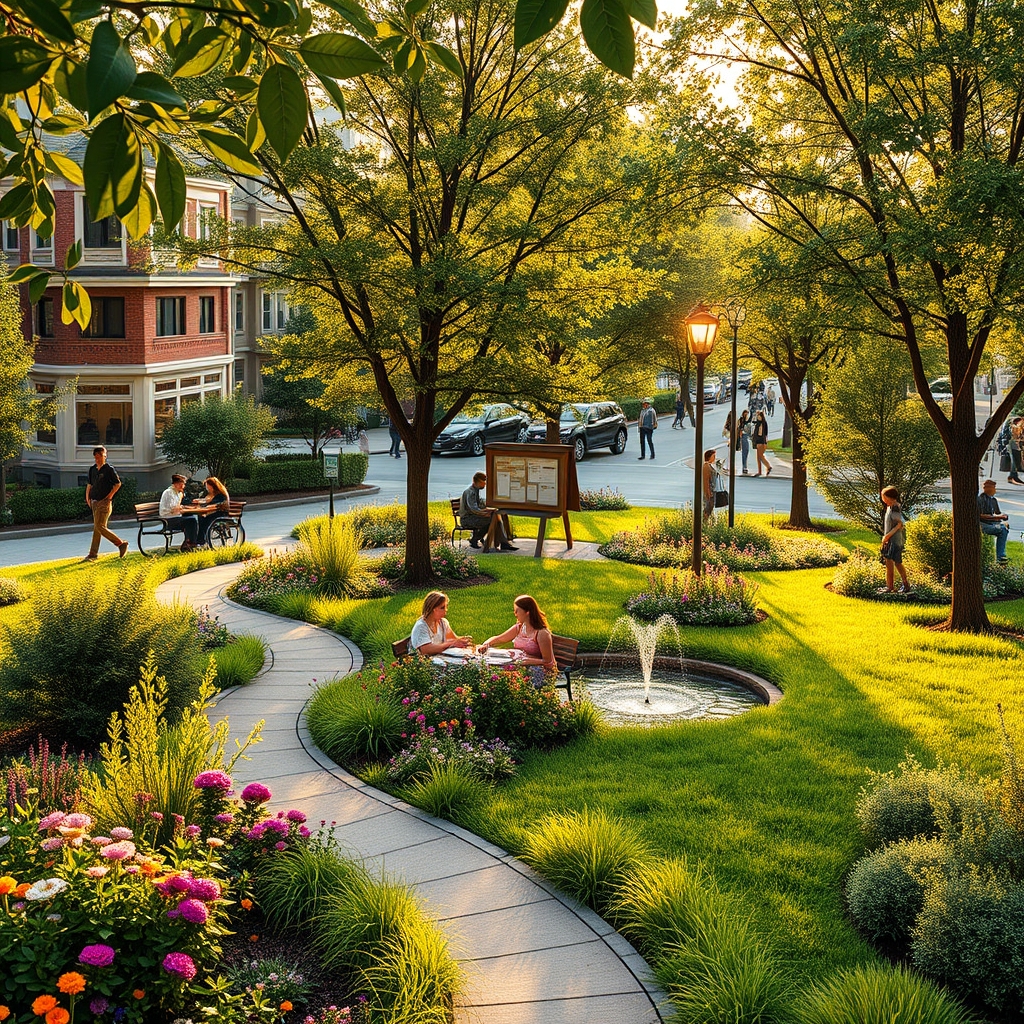
Community pocket parks are small, often underutilized urban spaces repurposed into vibrant green areas. Typically no larger than a quarter-acre, these parks are strategically placed in neighborhoods where access to larger green spaces is limited. Their compact size makes them cost-effective and easier to implement than traditional parks, yet their impact is profound.
One of the most significant benefits of pocket parks is their ability to enhance mental health. Studies have shown that even brief exposure to green spaces can reduce stress, anxiety, and depression. In densely populated areas, where residents may feel disconnected from nature, these parks provide a much-needed respite. They also serve as social hubs, where neighbors can gather for community events, children can play, and individuals can find moments of solitude amidst the urban hustle.
Beyond their social and psychological benefits, pocket parks contribute to urban sustainability. They help mitigate the urban heat island effect by providing shade and cooling through evapotranspiration. Additionally, they can incorporate permeable pavement and rain gardens, reducing stormwater runoff and improving water quality. When designed thoughtfully, these parks become micro-ecosystems that support local wildlife, from pollinators like bees and butterflies to small birds and beneficial insects.
Native Plant Landscaping: A Return to Ecological Roots
While pocket parks create the framework for green spaces, the choice of vegetation within them is equally critical. Native plant landscaping is a practice that prioritizes flora indigenous to the region, and it is gaining traction as a cornerstone of sustainable urban design. Unlike non-native species, native plants have evolved to thrive in local climates and soil conditions, requiring minimal water, fertilizers, or pesticides. This makes them not only environmentally friendly but also cost-effective in the long run.
The ecological benefits of native plants are far-reaching. They provide essential habitats and food sources for local wildlife, supporting biodiversity in urban areas. For example, native wildflowers attract pollinators, while shrubs and trees offer shelter for birds and small mammals. This interconnected web of life helps restore balance to ecosystems that have been disrupted by urbanization.
Native plants also play a crucial role in water management. Their deep root systems improve soil structure, allowing rainwater to infiltrate more effectively. This reduces the burden on urban drainage systems and minimizes the risk of flooding. When combined with features like rain gardens or eco-friendly drainage, native plant landscapes become powerful tools for managing stormwater naturally.
Designing for Inclusivity and Accessibility
For community pocket parks and native plant landscapes to truly thrive, they must be designed with inclusivity in mind. Inclusive public spaces ensure that people of all ages, abilities, and backgrounds can enjoy and benefit from them. This means incorporating features like wheelchair-accessible pathways, sensory gardens for individuals with disabilities, and multilingual signage to engage diverse communities.
Accessibility also extends to the placement of these spaces. Parks should be located within a 10-minute walk of residential areas to ensure they are easily reachable for everyone, including the elderly and those without access to private vehicles. Lighting is another critical consideration—smart street lighting can enhance safety while reducing energy consumption, making parks welcoming even after dark.
Integrating Technology for Smarter Green Spaces
The future of urban green spaces lies in the intersection of nature and technology. Innovations like solar-powered commons and decentralized energy grids can make pocket parks more sustainable and self-sufficient. For instance, solar panels can power lighting, charging stations, and even small community events, reducing the carbon footprint of these spaces.
Technology can also enhance the functionality of native plant landscapes. Sensors can monitor soil moisture and weather conditions, optimizing irrigation and reducing water waste. Apps and digital platforms can engage communities by providing information about native plants, wildlife, and upcoming events in the park. These tools not only educate but also foster a sense of ownership and stewardship among residents.
Case Studies: Success Stories from Around the World
Cities worldwide are embracing the potential of pocket parks and native plant landscaping. In New York City, the Pocket Parks Program has transformed vacant lots into green oases, with over 100 parks created since its inception. These spaces have become vital community assets, hosting farmers’ markets, outdoor yoga classes, and educational workshops on sustainability.
In Melbourne, Australia, the Urban Forest Strategy focuses on increasing tree canopy cover and incorporating native plants into public spaces. The city has seen a 20% increase in biodiversity and a significant reduction in urban heat, proving that small changes can yield substantial results.
Closer to home, Portland, Oregon, has integrated native plant landscapes into its Green Streets program. These streets feature rain gardens and bioswales planted with native vegetation, which filter pollutants from stormwater and create corridors for wildlife. The program has not only improved water quality but also beautified neighborhoods, making them more walkable and inviting.
As urban populations continue to grow, the demand for green spaces will only intensify. Community pocket parks and native plant landscaping offer a scalable, adaptable solution that addresses multiple urban challenges—from climate resilience to social equity. By prioritizing these elements, cities can create environments that are not only sustainable but also vibrant and inclusive. The transformation begins with small steps, but the ripple effects can shape the future of urban living for generations to come. The time to cultivate these spaces is now, and the benefits will be felt by both people and the planet.