The Luminous Depth of Colour Drenching: How Modern Heritage Embraces Bold Hues, Curved Furniture, and Earthy Textures
In the ever-evolving landscape of modern heritage design, a striking trend has emerged—one that dares to defy the muted palettes of the past while honoring the timeless elegance of natural materials. Colour drenching, the art of saturating a space in a single, rich hue, has become a bold statement in contemporary interiors, seamlessly blending with the organic warmth of mixed wood tones, the soft curves of furniture, and the tactile allure of textured surfaces. This approach doesn’t just redefine aesthetics; it transforms homes into immersive experiences, where every element feels intentional, cohesive, and deeply personal.
The Psychology of Colour Drenching
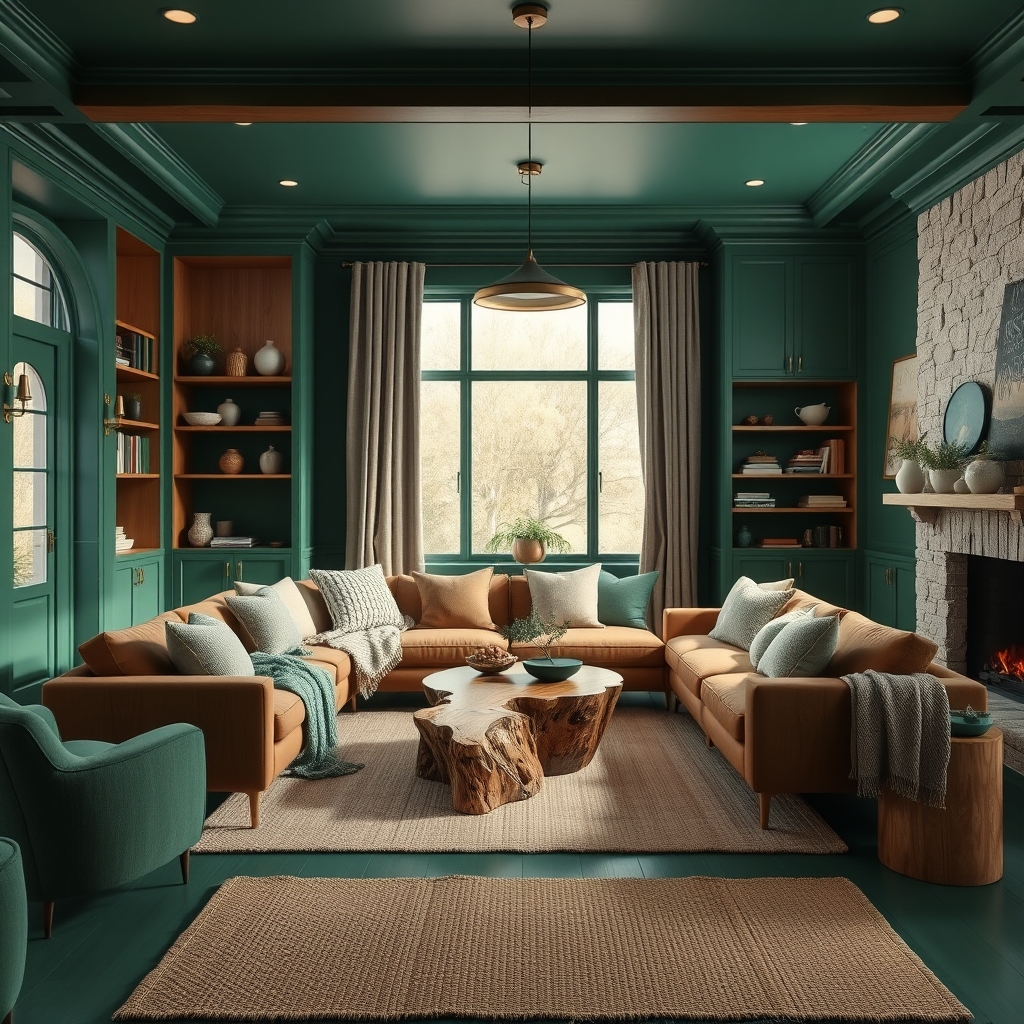
Colour has always been a powerful tool in design, capable of influencing mood, perception, and even behavior. Unlike accent walls or subtle pops of color, colour drenching envelops a room in a single shade, creating a sense of continuity and depth. This technique works particularly well in modern heritage spaces, where the contrast between bold hues and natural materials—like aged oak, walnut, or reclaimed teak—adds layers of visual interest. A deep emerald green, for instance, can evoke the tranquility of a forest, while a warm terracotta might bring the earthy comfort of a sunbaked landscape indoors. The key lies in selecting a tone that resonates with the space’s purpose, whether it’s a calming blue for a spa-like bathroom or a vibrant ochre for a lively kitchen.
Balancing Boldness with Warmth
One of the challenges of colour drenching is avoiding a space that feels overwhelming or sterile. This is where modern heritage’s love for mixed wood tones and textured surfaces comes into play. Imagine a living room drenched in a moody navy blue, where a curved sofa in warm walnut wood softens the intensity of the walls. Floating shelves in a lighter oak tone add contrast, while a plush, boucle-textured rug grounds the space with tactile comfort. The interplay of different wood finishes not only prevents the room from feeling flat but also adds a sense of history and craftsmanship, a nod to the heritage elements that define modern design.
The Role of Curved Furniture in Softening Spaces
Curved furniture has surged in popularity, and for good reason. In a colour-drenched room, the gentle arcs of a rounded armchair or a sculptural coffee table can break up the linearity of walls and floors, creating a sense of flow and movement. This design choice aligns perfectly with modern heritage’s emphasis on organic forms, where furniture isn’t just functional but also a work of art. A curved credenza in a rich, earthy palette can serve as a focal point, while a rounded dining table encourages conversation and connection. The softness of these shapes contrasts beautifully with the boldness of colour drenching, making the space feel inviting rather than imposing.
Textured Surfaces: Adding Depth and Dimension
Texture is the unsung hero of modern heritage design, especially in spaces where colour drenching takes center stage. A room painted in a single hue can risk feeling one-dimensional, but the introduction of textured surfaces—like linen drapes, woven baskets, or a stone-clad fireplace—adds depth and intrigue. In a bedroom drenched in a warm clay tone, a bed dressed in linen and layered with a chunky knit throw creates a cozy, tactile experience. Similarly, a bathroom with matte-finish tiles in a deep slate gray can be elevated with a live-edge wooden vanity and a pebble-textured shower floor, blending modern luxury with natural elements.
Sustainable Materials: The Foundation of Modern Heritage
At the heart of modern heritage design is a commitment to sustainability, and colour drenching is no exception. The materials chosen to complement bold hues should not only be aesthetically pleasing but also environmentally responsible. Reclaimed wood, recycled metals, and natural stone are staples in this design philosophy, offering durability and a reduced carbon footprint. A kitchen drenched in a soft sage green, for example, can feature countertops made from recycled glass, cabinetry crafted from reclaimed wood, and aged brass hardware. These choices not only enhance the room’s visual appeal but also tell a story of mindful living, where beauty and sustainability go hand in hand.
Smart Integration: Hidden Pantries and Multi-Functional Spaces
Modern heritage isn’t just about aesthetics; it’s also about functionality. As homes evolve to meet the demands of contemporary living, smart solutions like hidden pantries and multi-functional rooms have become essential. In a colour-drenched kitchen, a hidden pantry with seamless cabinetry can maintain the room’s clean lines while offering ample storage. Similarly, a home office painted in a deep, moody hue can double as a guest room with the addition of a sleek Murphy bed or a modular sofa. These innovations ensure that spaces remain uncluttered and adaptable, reflecting the modern heritage ethos of blending form and function.
As we navigate the future of home design, colour drenching stands out as a testament to the fearless creativity that defines modern heritage. It’s a celebration of bold choices, where rich hues meet natural textures, curved forms soften structured spaces, and sustainable materials lay the foundation for a home that’s as thoughtful as it is beautiful. The result is a living environment that doesn’t just reflect personal style but also nurtures the soul, proving that true luxury lies in the harmony of color, craftsmanship, and conscious living.