The Intimate Dance of Modern Heritage: How Warm Minimalism, Aged Metals, and Smart Bidets Are Crafting Soulful Sanctuaries
The modern home is no longer just a place of shelter; it is a living, breathing entity that evolves with the rhythms of those who inhabit it. At the heart of this transformation lies the delicate balance between heritage and innovation, where the warmth of tradition meets the precision of contemporary design. This fusion is not about stark contrasts but about creating spaces that feel both timeless and effortlessly current, where every element tells a story while serving a purpose.
The Allure of Warm Minimalism
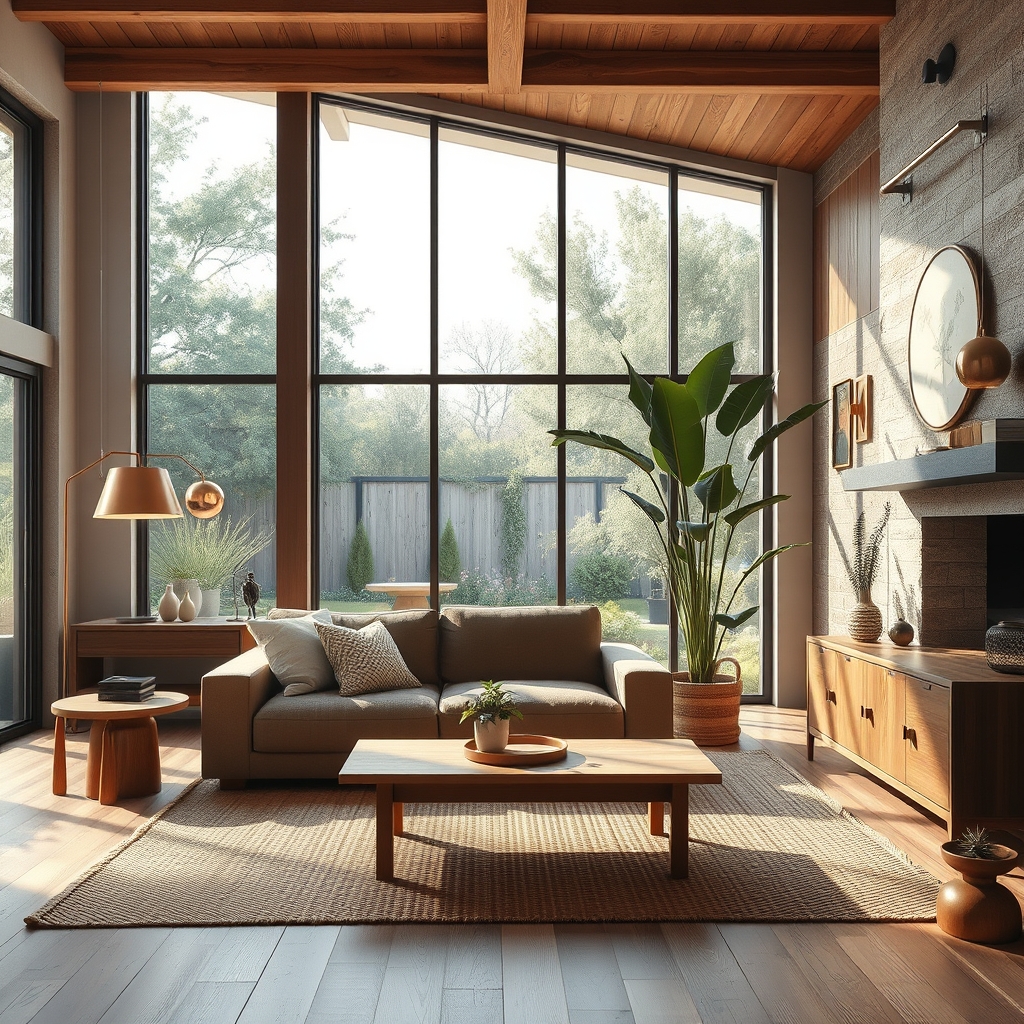
Warm minimalism is more than a design trend; it is a philosophy that embraces simplicity without sacrificing depth. Unlike the cold, sterile minimalism of the past, this approach layers textures, tones, and materials to create spaces that feel inviting and lived-in. Think of a living room where a plush, earth-toned sofa sits against a backdrop of raw linen curtains, while a handwoven rug anchors the space with its subtle imperfections. The key here is restraint—each piece is chosen with intention, allowing the room to breathe while still exuding warmth.
This aesthetic thrives on the interplay of light and shadow, where natural materials like wood, stone, and clay take center stage. The result is a space that feels grounded, yet dynamic, where the absence of clutter does not equate to a lack of personality. Instead, it invites occupants to slow down, to appreciate the quiet beauty of their surroundings, and to find comfort in the simplicity of everyday moments.
The Timeless Charm of Aged Metals
Aged metals—brass, copper, bronze—bring a sense of history and character to modern interiors. Unlike their polished counterparts, these materials carry the marks of time, their patinas telling stories of use and wear. A brass cabinet handle, a copper light fixture, or a bronze-framed mirror can transform a space from ordinary to extraordinary, adding a layer of sophistication that feels both luxurious and approachable.
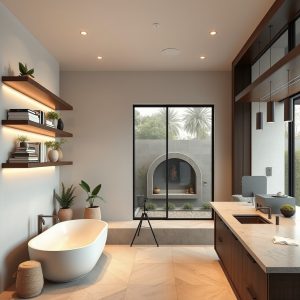
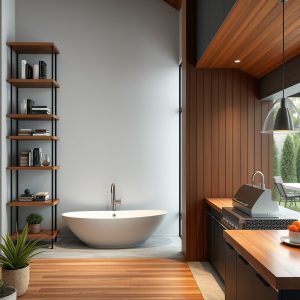
In modern heritage design, aged metals are often paired with natural materials to create a harmonious contrast. For example, a brass faucet in a bathroom with a wooden vanity and stone countertops evokes a sense of timeless elegance. The warmth of the metal complements the organic textures, while its reflective surface adds a touch of glamour. This combination is not about recreating the past but about honoring it, allowing the materials to age gracefully and develop their own unique character over time.
Smart Bidets: The Unexpected Luxury
Luxury in the modern home is no longer defined by opulence alone but by the seamless integration of technology and comfort. Smart bidets are a prime example of this shift, offering a level of convenience and hygiene that feels almost indulgent. Gone are the days of basic toilet paper—today’s bidets come with features like heated seats, customizable water pressure, and even air drying, all controlled via a sleek, intuitive panel or smartphone app.
What makes smart bidets particularly compelling is their ability to elevate the most private spaces in the home. A bathroom equipped with a smart bidet becomes a sanctuary of wellness, where every detail is designed to enhance comfort and cleanliness. Paired with earthy palettes and natural materials, these high-tech additions feel less like gadgets and more like essential components of a thoughtfully designed space. They represent the future of modern heritage—where innovation serves the soul, not just the senses.
The Art of Layering: Mixed Wood Tones and Textured Surfaces
One of the hallmarks of modern heritage design is the artful layering of materials, particularly when it comes to wood. Mixed wood tones—light oak, walnut, teak—create visual interest while maintaining a sense of cohesion. The key is to balance the tones so that they complement rather than compete with one another. For instance, a light oak dining table paired with walnut chairs and a teak sideboard can create a rich, textured look that feels both curated and organic.
Textured surfaces play a similar role, adding depth and tactile appeal to a space. A wall clad in reclaimed wood, a countertop with a honed finish, or a sofa upholstered in bouclé fabric can transform a room from flat to dynamic. These elements invite touch, encouraging occupants to engage with their surroundings on a sensory level. In a world where so much of our time is spent in front of screens, textured surfaces offer a welcome reminder of the physical world’s beauty.
Biophilic Design: Bringing the Outdoors In
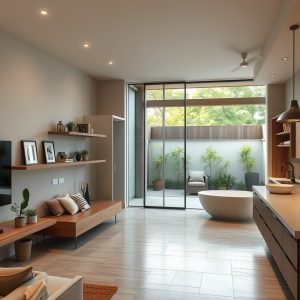
Biophilic design is more than just a trend; it is a fundamental shift in how we think about our living spaces. At its core, biophilic design seeks to reconnect us with nature, whether through the use of natural materials, ample natural light, or the incorporation of plants. In modern heritage homes, this often translates to spaces that feel open, airy, and alive, where the boundaries between indoors and outdoors blur.
Wooden ceilings, for example, can create a sense of warmth and continuity, while large windows frame views of the surrounding landscape. Indoor plants—whether a towering fiddle-leaf fig or a collection of succulents—add life and movement to a space. Even the choice of colors can evoke the natural world, with earthy palettes of greens, browns, and blues creating a calming, grounding effect. The result is a home that not only looks beautiful but also feels nourishing, a sanctuary that supports both physical and mental well-being.
The Future of Modern Heritage
As we look to the future, the principles of modern heritage design will continue to evolve, shaped by our changing needs and values. Sustainability will play an even greater role, with a focus on materials that are not only beautiful but also ethical and eco-friendly. Smart technology will become more integrated, enhancing our lives without overwhelming the senses. And perhaps most importantly, our homes will become even more personalized, reflecting the unique stories and experiences of those who live within them.
The beauty of modern heritage lies in its ability to adapt, to take the best of the past and reinterpret it for the present. It is a celebration of craftsmanship, of materials that age gracefully, and of spaces that feel as good as they look. In a world that often feels fast-paced and disconnected, modern heritage offers a way to slow down, to create homes that are not just stylish but soulful—spaces that nurture, inspire, and endure.