Building the Sustainable City of Tomorrow: Innovative Urban Designs for a Greener Future
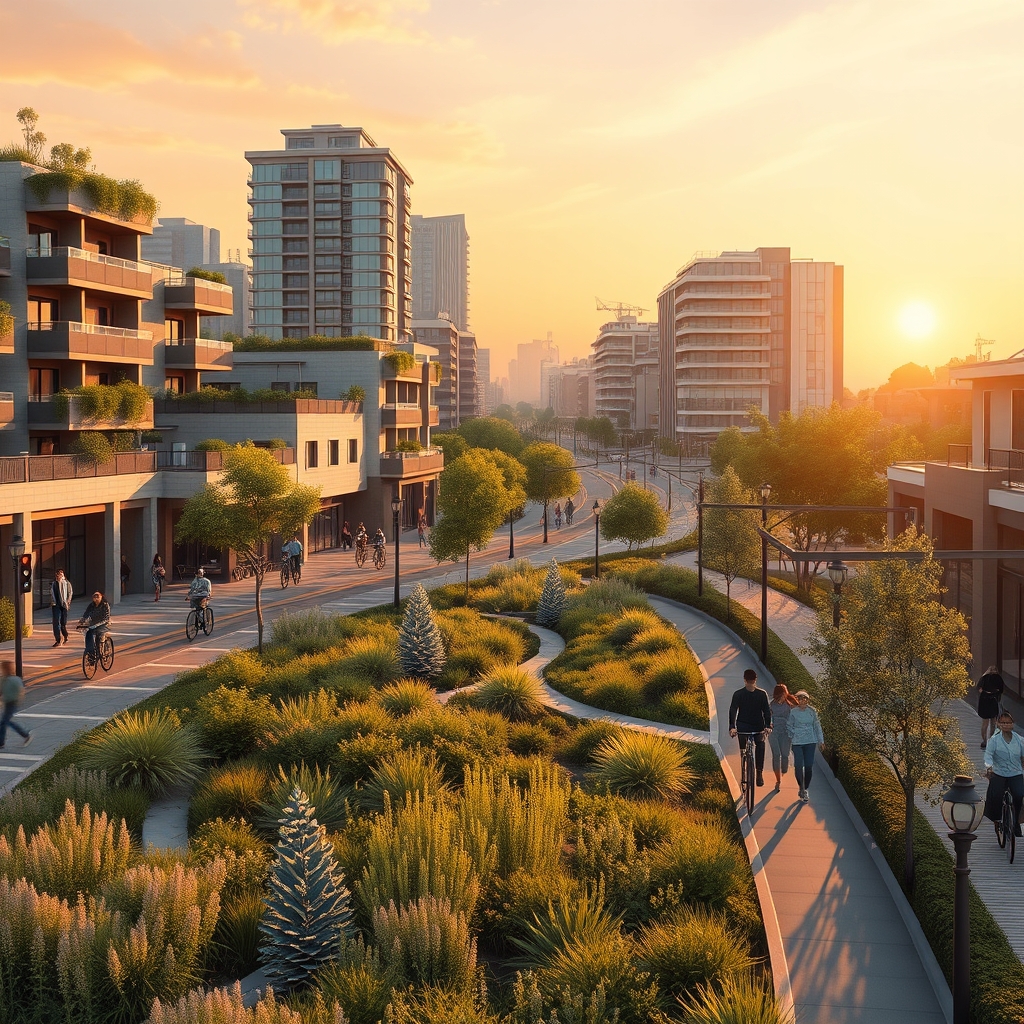
The modern urban landscape is undergoing a profound transformation as cities worldwide grapple with the challenges of climate change, population growth, and environmental degradation. The need for sustainable urban development has never been more urgent, and innovative solutions are emerging to create cities that are not only livable but also regenerative. From green infrastructure to community-centric designs, these approaches are reshaping how we interact with our urban environments, fostering resilience, and enhancing quality of life.
The Rise of Green Infrastructure
Green infrastructure is at the forefront of sustainable urban design, offering a multifaceted approach to addressing environmental and social challenges. Unlike traditional gray infrastructure, which relies on concrete and steel, green infrastructure integrates natural systems into the urban fabric. This includes elements like rain gardens, permeable pavement, and urban foraging zones, all of which work together to manage stormwater, reduce heat islands, and promote biodiversity.
One of the most compelling examples of green infrastructure is the implementation of rain gardens. These shallow, vegetated depressions capture and filter rainwater, reducing runoff and preventing pollution from entering waterways. Cities like Portland, Oregon, have successfully integrated rain gardens into their urban planning, demonstrating how small-scale interventions can have a significant impact on water management and urban aesthetics.
Walkable Neighborhoods: Redefining Urban Mobility
The concept of walkable neighborhoods is gaining traction as cities seek to reduce car dependency and promote healthier lifestyles. Walkability is not just about sidewalks; it encompasses a holistic approach to urban design that prioritizes pedestrian-friendly streets, mixed-use developments, and accessible public spaces. By creating environments where residents can live, work, and play within a 15-minute radius, cities can reduce traffic congestion, lower carbon emissions, and foster a stronger sense of community.
Copenhagen, often hailed as a model for sustainable urban mobility, has invested heavily in bicycle transit lanes and pedestrian-only zones. The result is a city where cycling is the preferred mode of transportation for over 60% of residents, and public spaces are vibrant hubs of social interaction. This shift toward walkability is not just about transportation; it’s about reimagining the city as a place where people, not cars, take center stage.
Community-Centric Urban Spaces
At the heart of sustainable urban design is the idea of creating spaces that serve the community. Community pocket parks and shared co-working spaces are examples of how cities can foster social cohesion while addressing environmental and economic challenges. These spaces provide residents with opportunities to connect, collaborate, and engage with their surroundings in meaningful ways.
Pocket parks, for instance, are small, accessible green spaces that can transform underutilized urban areas into vibrant community assets. In densely populated cities like New York, pocket parks have become essential for providing residents with much-needed green space, promoting mental well-being, and supporting local biodiversity. Similarly, shared co-working spaces offer flexible work environments that reduce the need for long commutes and encourage collaboration among professionals from diverse fields.
Harnessing Renewable Energy and Smart Technologies
The integration of renewable energy and smart technologies is another critical aspect of sustainable urban design. Solar-powered commons and decentralized energy grids are enabling cities to reduce their reliance on fossil fuels and move toward a more resilient energy future. By installing solar panels on public buildings, parks, and even streets, cities can generate clean energy while reducing their carbon footprint.
Smart technologies, such as smart street lighting, are also playing a pivotal role in creating more efficient and sustainable cities. These systems use sensors and data analytics to adjust lighting levels based on real-time conditions, reducing energy consumption and light pollution. In Barcelona, smart street lighting has not only cut energy use by 30% but also improved public safety by ensuring well-lit streets at all times.
Biodiversity and Urban Ecology
As cities expand, the need to protect and enhance biodiversity becomes increasingly important. Native plant landscaping and wildlife conservation corridors are two strategies that cities are using to create habitats for native species and promote ecological resilience. Native plants, for example, require less water and maintenance than non-native species, making them ideal for sustainable urban landscapes. They also provide food and shelter for local wildlife, supporting the overall health of the ecosystem.
Wildlife conservation corridors are another innovative approach to urban biodiversity. These corridors connect fragmented habitats, allowing animals to move safely through urban areas. In Singapore, the