Breathing Life into Cities: How Urban Foraging Zones and Eco-Friendly Innovations Are Nurturing Sustainable Communities
Cities are no longer just concrete jungles dominated by skyscrapers and bustling traffic. They are evolving into vibrant ecosystems where nature and urban life coexist harmoniously. At the heart of this transformation are innovative solutions like urban foraging zones, permeable pavement, and rain gardens, which are redefining how we interact with our environment. These initiatives are not just about sustainability—they are about creating spaces that nourish both people and the planet, fostering a sense of community and resilience in the process.
The Rise of Urban Foraging Zones
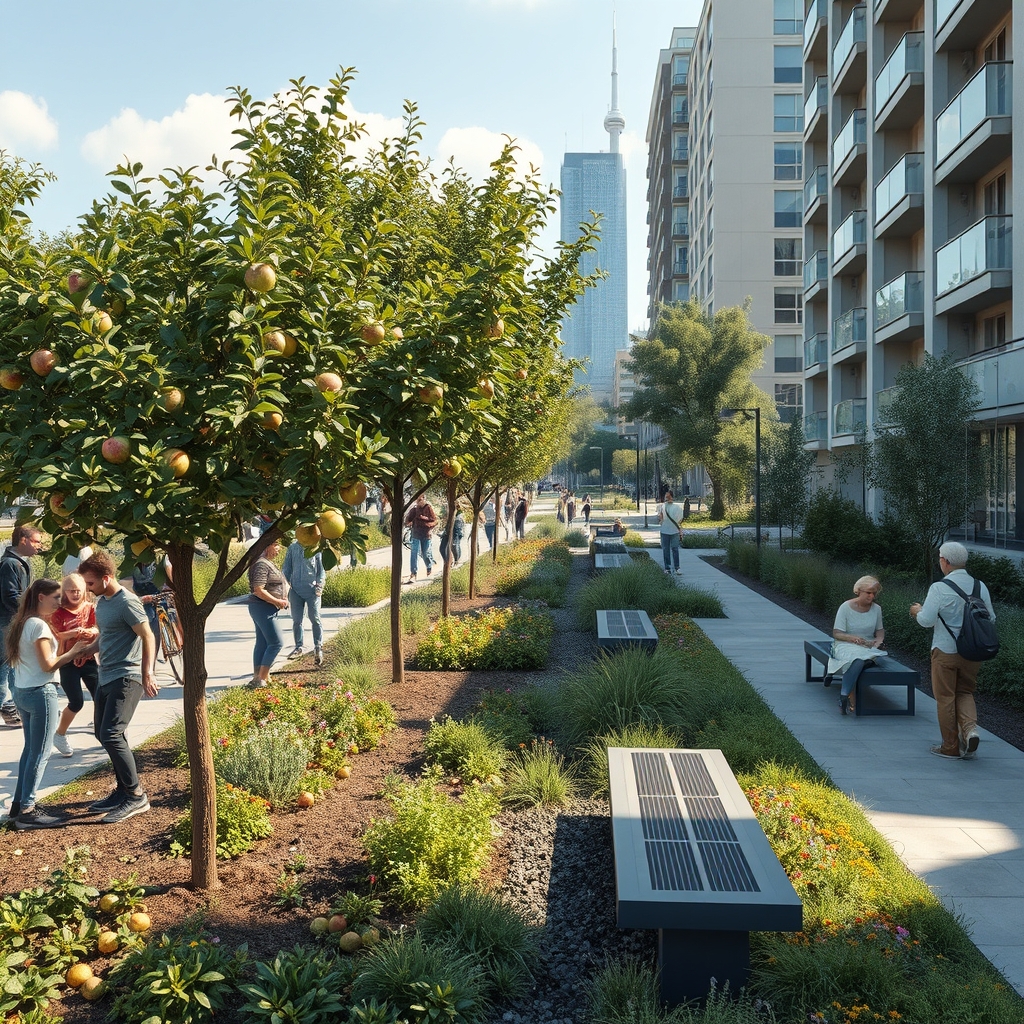
Imagine strolling through your neighborhood and plucking fresh apples from a public tree, or harvesting herbs from a community garden bed. Urban foraging zones are making this a reality by integrating edible landscapes into city planning. These spaces are designed to provide free, accessible food while promoting biodiversity and reducing food miles. Cities like Seattle, Portland, and London have already embraced this concept, planting fruit trees, berry bushes, and herb gardens in parks, along roadsides, and even on rooftops.
Beyond the obvious benefits of fresh, local produce, urban foraging fosters a deeper connection between residents and their environment. It encourages people to slow down, observe nature, and appreciate the resources their city provides. Additionally, these zones often double as educational spaces, where workshops on sustainable harvesting and plant identification teach communities about ecological stewardship. The result? A more engaged, environmentally conscious populace that sees their city as a living, breathing entity rather than just a place to live.
Permeable Pavement: Paving the Way for Sustainable Drainage
Traditional asphalt and concrete surfaces contribute significantly to urban flooding by preventing rainwater from seeping into the ground. Enter permeable pavement, a game-changer in eco-friendly drainage systems. This innovative material allows water to pass through its surface, reducing runoff and replenishing groundwater supplies. Made from porous materials like pervious concrete, permeable interlocking pavers, or even recycled rubber, it’s a simple yet effective solution to one of urbanization’s biggest challenges.
The benefits of permeable pavement extend beyond flood prevention. By filtering rainwater as it passes through, it helps remove pollutants like oil, heavy metals, and debris, improving the quality of water that eventually reaches rivers and streams. Cities like Chicago and Philadelphia have already implemented large-scale permeable pavement projects, demonstrating its scalability and effectiveness. When combined with rain gardens—shallow depressions planted with native vegetation—these systems create a powerful duo that mimics natural water cycles, reducing the strain on municipal drainage infrastructure.
Rain Gardens: Nature’s Water Filters
Rain gardens are more than just aesthetically pleasing additions to urban landscapes—they are functional ecosystems that play a crucial role in stormwater management. Strategically placed in low-lying areas, these gardens capture and absorb rainwater, allowing it to slowly infiltrate the soil rather than overwhelming sewer systems. The plants used in rain gardens are typically native species, chosen for their ability to thrive in local conditions while supporting pollinators like bees and butterflies.
Beyond their environmental benefits, rain gardens enhance the beauty and livability of neighborhoods. They provide green spaces in areas that might otherwise be paved over, offering residents a place to relax and connect with nature. In cities like Portland, Oregon, rain gardens have become a staple of urban design, with over 1,000 installed across the city. Their success lies in their simplicity: they require minimal maintenance, reduce the need for costly drainage upgrades, and create habitats for urban wildlife. When paired with permeable pavement, they form a holistic approach to sustainable urban water management.
Smart Street Lighting and Solar-Powered Commons
Lighting is a fundamental aspect of urban safety and aesthetics, but traditional streetlights are energy-intensive and contribute to light pollution. Smart street lighting is changing the game by using LED technology, motion sensors, and adaptive controls to reduce energy consumption by up to 70%. These systems adjust brightness based on real-time conditions, such as pedestrian activity or weather, ensuring that light is used efficiently and only when needed. Cities like Barcelona and Los Angeles have already adopted smart lighting, reporting significant energy savings and reduced carbon footprints.
Taking sustainability a step further, solar-powered commons are emerging as hubs of renewable energy within neighborhoods. These spaces combine solar panels with public amenities like seating, Wi-Fi hotspots, and charging stations, creating multifunctional areas that serve the community while generating clean energy. In Copenhagen, solar-powered benches and pavilions are becoming commonplace, offering residents a place to rest, work, or socialize while reducing reliance on fossil fuels. These innovations not only lower energy costs but also inspire communities to embrace renewable solutions in their daily lives.
Wildlife Conservation Corridors: Bridging Urban and Natural Habitats
As cities expand, natural habitats are often fragmented, leaving wildlife with limited space to thrive. Wildlife conservation corridors are designed to reconnect these fragmented ecosystems, allowing animals to move safely between green spaces. These corridors can take many forms, from green roofs and vertical gardens to linear parks and underpasses that guide wildlife beneath busy roads. In Singapore, the Park Connector Network links parks and nature reserves, creating a continuous green pathway for birds, butterflies, and small mammals.
The benefits of wildlife corridors extend beyond conservation. They enhance urban biodiversity, improve air quality, and even boost mental health by providing residents with access to nature. When integrated with other green infrastructure, such as native plant landscaping and microclimate cooling zones, these corridors create a network of sustainable spaces that support both people and wildlife. They remind us that cities are not separate from nature but are part of a larger, interconnected ecosystem.
Building Inclusive and Resilient Communities
The innovations shaping our cities today are not just about technology or infrastructure—they are about people. Inclusive public spaces, such as community pocket parks and shared co-working spaces, are designed to bring residents together, fostering social cohesion and a sense of belonging. These spaces are often located in underserved neighborhoods, ensuring that everyone has access to green areas, recreational facilities, and opportunities for collaboration. In Medellín, Colombia, the transformation of informal settlements into vibrant public spaces has become a model for inclusive urban development, proving that design can be a tool for social equity.
Resilience is another key pillar of sustainable urban living. Decentralized energy grids, for example, allow neighborhoods to generate and store their own renewable energy, reducing dependence on centralized systems and increasing preparedness for power outages. Similarly, neighborhood composting centers and waste segregation hubs empower communities to manage their waste locally, turning organic matter into nutrient-rich soil for urban gardens. These initiatives not only reduce landfill waste but also create jobs and educational opportunities, strengthening the social fabric of neighborhoods.
As we reimagine our cities, the focus must remain on creating spaces that are not only sustainable but also equitable and resilient. The innovations discussed here—from urban foraging zones to wildlife corridors—are more than just trends; they are the building blocks of a future where cities thrive in harmony with nature. By embracing these solutions, we can transform our urban landscapes into places that nourish the body, mind, and soul, ensuring that they remain vibrant and livable for generations to come. The journey toward sustainable urban living is not just about reducing our environmental footprint; it’s about enriching our lives and the lives of those around us, one green innovation at a time.