Warm Minimalism and the Allure of Aged Metals: Crafting Timeless Spaces with Modern Heritage
In the ever-evolving landscape of interior design, the fusion of warm minimalism and modern heritage has emerged as a defining trend, offering a sanctuary of simplicity and sophistication. This approach transcends fleeting fads, instead embracing a timeless aesthetic that balances understated elegance with rich, tactile details. At the heart of this movement lies the strategic use of aged metals, which infuse spaces with character, depth, and a sense of history—all while harmonizing with the clean lines and uncluttered ethos of minimalism.
The Philosophy of Warm Minimalism
Warm minimalism is more than just a design style; it’s a philosophy that prioritizes comfort, intention, and authenticity. Unlike the stark, cold minimalism of decades past, this iteration embraces warmth through earthy palettes, natural materials, and subtle textures. Think soft neutrals like taupe, terracotta, and warm grays, paired with organic elements such as linen, wool, and—of course—wood. The result is a space that feels inviting, lived-in, and effortlessly chic, where every object has purpose and every detail contributes to a sense of calm.
This approach aligns seamlessly with modern heritage, a concept that celebrates the past while embracing contemporary functionality. It’s about preserving the soul of a space—whether through architectural details, heirloom pieces, or artisanal craftsmanship—while ensuring it meets the demands of modern living. The key is balance: honoring tradition without sacrificing innovation, and prioritizing simplicity without forgoing personality.
The Role of Aged Metals in Modern Heritage
Aged metals are the unsung heroes of warm minimalism, adding a layer of sophistication that new materials often lack. Brass, copper, bronze, and iron—each with their unique patinas—bring a sense of history and warmth to interiors. Unlike polished metals, which can feel cold and sterile, aged metals tell a story. Their imperfections, whether it’s the verdigris on copper or the darkening of brass, evoke a sense of time and craftsmanship that resonates deeply in modern heritage spaces.
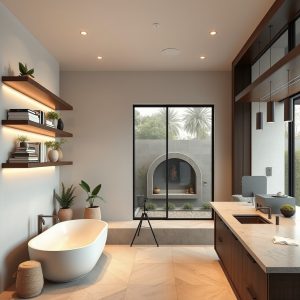
In kitchens, aged brass cabinet hardware or copper range hoods can transform utilitarian spaces into works of art. In bathrooms, matte black or bronze fixtures lend a spa-like ambiance, blending seamlessly with biophilic design elements like stone sinks and wooden vanities. Even in living areas, aged metal accents—such as side tables, light fixtures, or decorative objects—add a touch of understated luxury without overwhelming the space.
Integrating Aged Metals with Mixed Wood Tones
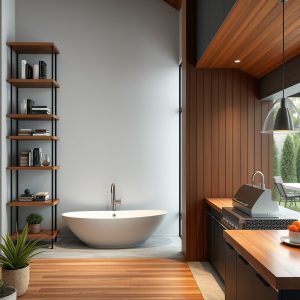
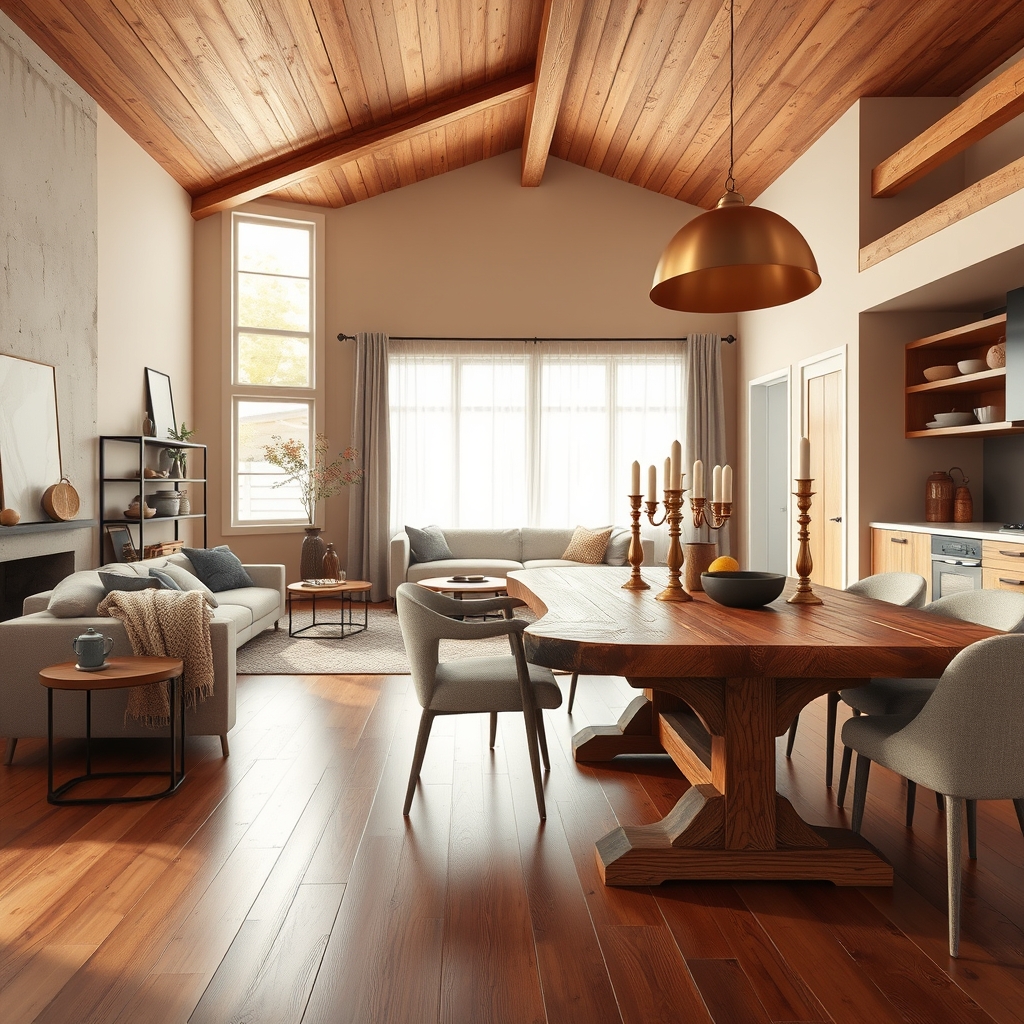
One of the most compelling ways to incorporate aged metals into modern heritage design is by pairing them with mixed wood tones. This combination creates visual interest while maintaining the warmth and cohesion that define warm minimalism. For example, a dining room might feature a reclaimed oak table with a weathered finish, paired with brass candlesticks and chairs upholstered in linen. The contrast between the wood’s organic texture and the metal’s refined patina elevates the space, making it feel both curated and effortless.
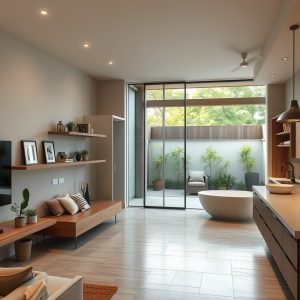
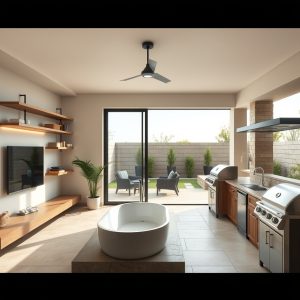
In open-concept living areas, mixed wood tones can be used to define zones subtly. A floating wooden shelf with aged brass brackets might delineate a reading nook, while a wooden ceiling with exposed beams adds architectural interest. The key is to vary the wood finishes—perhaps combining light oak with walnut or teak—while ensuring they share a similar undertone to maintain harmony. Aged metals act as the perfect bridge between these elements, tying the space together with their timeless appeal.
The Evolution of Textured Surfaces
Texture plays a pivotal role in warm minimalism, and aged metals are just one piece of the puzzle. Textured surfaces—whether through plaster walls, woven textiles, or handcrafted ceramics—add depth and dimension to a space, preventing it from feeling flat or sterile. In modern heritage interiors, these textures are often inspired by nature, reinforcing the connection between indoor and outdoor environments.
Consider a living room with a plaster accent wall in a soft, earthy hue, paired with a linen sofa and a chunky wool throw. A coffee table with a live-edge wooden top and aged iron legs anchors the space, while a ceramic vase or sculptural object adds an artisanal touch. The interplay of these textures creates a sensory experience, inviting touch and fostering a sense of well-being. It’s a testament to the power of warm minimalism: less is more, but what remains is rich, layered, and deeply satisfying.
Sustainable Materials and the Future of Design
As the world becomes increasingly conscious of environmental impact, sustainable materials have taken center stage in modern heritage design. Aged metals, with their longevity and recyclability, are a natural fit for this movement. Unlike fast furniture or disposable decor, these materials are built to last, reducing waste and promoting a more mindful approach to consumption. Pairing them with reclaimed wood, recycled glass, or natural stone further enhances their eco-friendly appeal, creating spaces that are as responsible as they are beautiful.
Smart design choices, such as hidden pantries or multi-functional furniture, also contribute to sustainability by maximizing space and minimizing clutter. A kitchen with a hidden pantry, for example, not only looks sleek but also encourages organization and reduces food waste. Similarly, a sofa with built-in storage or a dining table that doubles as a workspace reflects the principles of warm minimalism—practicality without sacrificing style.
In the end, the allure of warm minimalism and aged metals lies in their ability to create spaces that feel both timeless and contemporary. They remind us that design is not just about aesthetics, but about crafting environments that nurture the soul, honor the past, and embrace the future. Whether through the subtle gleam of brass, the warmth of mixed wood tones, or the quiet elegance of textured surfaces, these elements come together to form a home that is as functional as it is beautiful—a true reflection of modern heritage at its finest.