The Subtle Art of Kitchen Zoning: How Modern Heritage and Earthy Palettes Create Functional Elegance

The modern kitchen is no longer just a place for cooking—it’s the heart of the home, a social hub, and a canvas for personal expression. As open-concept living continues to evolve, the need for intentional design that balances aesthetics and functionality has never been more critical. Enter kitchen zoning, a design philosophy that segments the kitchen into distinct areas for cooking, prepping, dining, and storage, all while maintaining a cohesive and visually appealing space. When paired with modern heritage elements and earthy palettes, this approach transforms the kitchen into a harmonious blend of form and function.
The Philosophy Behind Kitchen Zoning
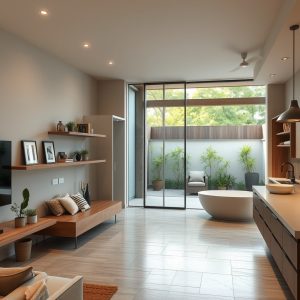
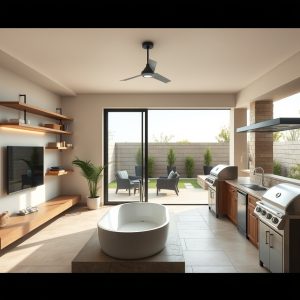
Kitchen zoning is rooted in the idea that efficiency and beauty can coexist. By dividing the kitchen into dedicated zones—such as a cooking zone with the stove and oven, a prep zone with countertops and sinks, a storage zone with pantries and cabinets, and a dining or social zone with seating—homeowners can streamline their workflow while creating a space that feels intentional and inviting. This approach is particularly effective in open-concept layouts, where the kitchen often flows into living or dining areas, blurring the lines between functionality and aesthetics.
What sets modern kitchen zoning apart is its emphasis on flexibility. Unlike rigid, traditional kitchen layouts, zoning allows for adaptability, catering to the unique needs of each household. Whether it’s a family that loves to cook together, a couple that entertains frequently, or a solo homeowner who values simplicity, zoning can be tailored to fit any lifestyle. The key is to strike a balance between defined areas and fluid transitions, ensuring the kitchen remains both practical and visually cohesive.
Modern Heritage: Bridging the Old and the New
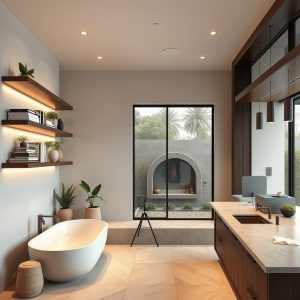
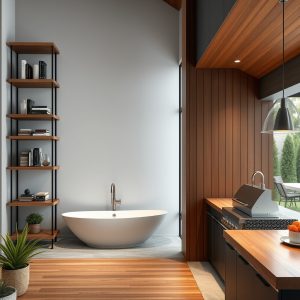
At the intersection of kitchen zoning and contemporary design lies modern heritage, a style that honors traditional craftsmanship while embracing modern innovation. This aesthetic is characterized by the use of natural materials, timeless textures, and a warm, earthy color palette that evokes a sense of history and authenticity. Think mixed wood tones in cabinetry, aged metals in hardware, and textured surfaces like stone or reclaimed wood for countertops and backsplashes.
Incorporating modern heritage elements into kitchen zoning adds depth and character to the space. For example, a cooking zone might feature a vintage-inspired range hood in aged brass, paired with sleek, modern cabinetry in a warm walnut finish. The prep zone could include a butcher-block countertop, a nod to traditional craftsmanship, while the storage zone might utilize hidden pantries with concealed handles for a clean, minimalist look. These thoughtful details create a kitchen that feels both timeless and fresh, where every element has a purpose and a story.
Earthy Palettes: The Foundation of Warmth and Harmony
No discussion of modern kitchen design would be complete without mentioning the power of earthy palettes. These color schemes—inspired by nature and grounded in tones like terracotta, olive green, warm beige, and deep brown—bring a sense of calm and warmth to the kitchen. Unlike stark, monochromatic designs, earthy palettes create a welcoming atmosphere that encourages connection and relaxation, making the kitchen a space where people want to linger.
When applied to kitchen zoning, earthy palettes can help delineate different areas while maintaining a cohesive look. For instance, the cooking zone might feature deep, rich tones like burnt sienna or forest green to evoke a sense of energy and creativity, while the dining or social zone could incorporate lighter, softer hues like sand or sage to foster a relaxed, communal vibe. The key is to use color strategically, ensuring that each zone feels distinct yet harmonious with the overall design.
Textured Surfaces and Sustainable Materials: Elevating the Design
Texture plays a crucial role in modern kitchen zoning, adding visual interest and tactile appeal to the space. Textured surfaces—such as matte finishes, rough-hewn wood, or hand-scraped stone—create contrast and depth, preventing the kitchen from feeling flat or sterile. These elements also align with the growing trend toward sustainable materials, which prioritize eco-friendly, durable, and ethically sourced products.
For example, a prep zone might feature a countertop made from recycled glass or reclaimed wood, while the storage zone could include open shelving with floating shelves in a live-edge wood finish. Even small details, like a backsplash made from handmade tiles or cabinetry with a linen-textured finish, can elevate the design and reinforce the kitchen’s connection to nature. By incorporating sustainable materials, homeowners can create a kitchen that is not only beautiful but also environmentally responsible.
Smart Integration: The Future of Kitchen Zoning
As technology continues to shape our homes, smart features are becoming an integral part of kitchen zoning. From smart bidets in adjacent bathrooms to smart thermostats that regulate temperature for optimal comfort, these innovations enhance the functionality of the kitchen while maintaining its aesthetic appeal. For instance, a cooking zone might include a smart oven with voice control, while the storage zone could feature motion-sensor lighting in hidden pantries for effortless access.
However, the key to integrating smart technology into kitchen zoning is subtlety. The goal is to enhance the space without overwhelming it, ensuring that technology serves as a tool rather than a distraction. By thoughtfully incorporating smart features, homeowners can create a kitchen that is both cutting-edge and timeless, where modern convenience meets classic design.
In a world where the lines between work, leisure, and daily life continue to blur, the kitchen remains a sanctuary—a place where functionality and beauty intersect. Through the art of kitchen zoning, modern heritage elements, and earthy palettes, homeowners can craft a space that is not only efficient and practical but also warm, inviting, and deeply personal. It’s a design philosophy that celebrates the past while embracing the future, creating a kitchen that is as unique as the people who use it.