The Future of Urban Living: How Innovative Green Solutions Are Redefining Cityscapes
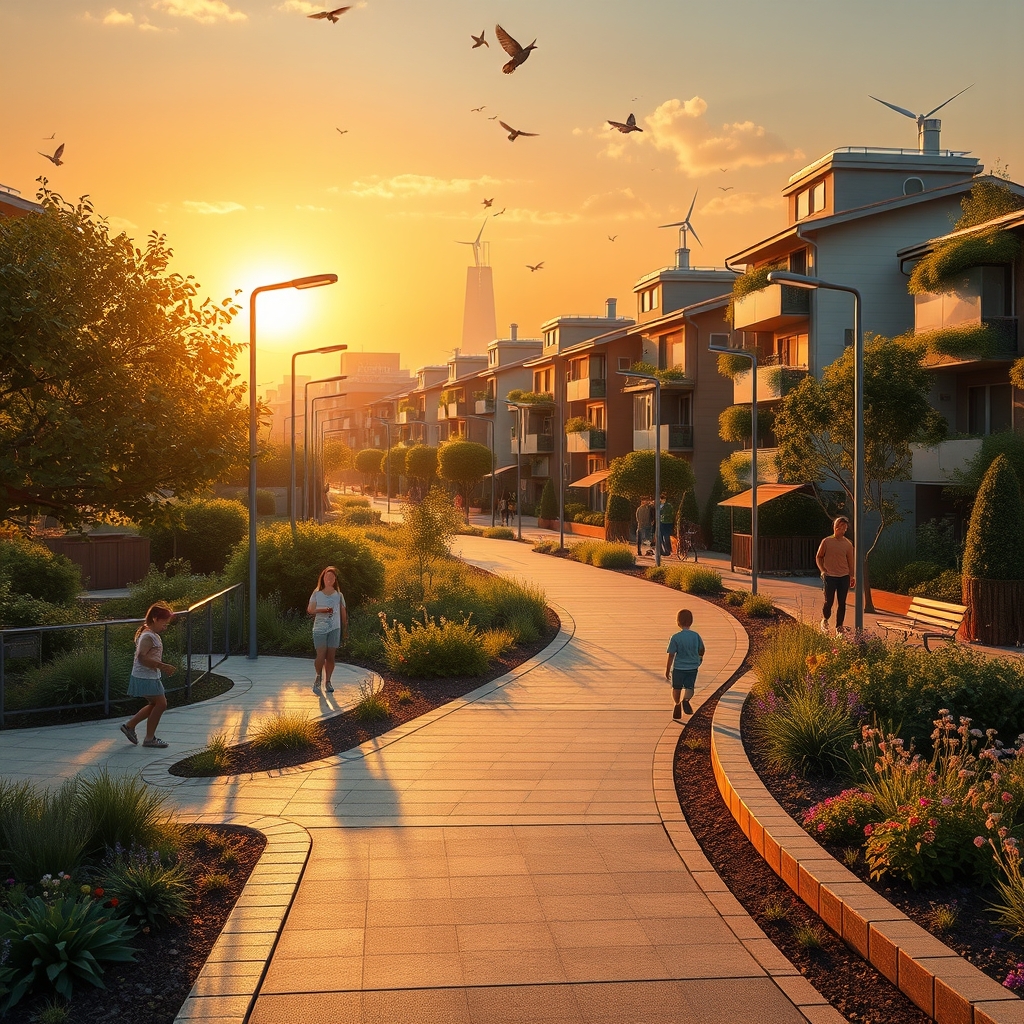
Cities are evolving at an unprecedented pace, driven by the urgent need for sustainability, resilience, and community well-being. As urban populations grow, so does the demand for innovative solutions that harmonize human habitation with environmental stewardship. Among the most transformative approaches are those that integrate green infrastructure, smart design, and community-centric spaces, creating urban environments that are not only functional but also regenerative. These solutions are not just trends—they are the blueprint for the cities of tomorrow.
The Role of Permeable Pavement in Sustainable Urban Drainage
Traditional concrete and asphalt surfaces dominate urban landscapes, but their impermeability contributes to flooding, water pollution, and strained drainage systems. Permeable pavement offers a compelling alternative by allowing rainwater to seep through its surface, replenishing groundwater supplies and reducing runoff. Made from porous materials like pervious concrete, permeable interlocking pavers, or resin-bound gravel, this innovation mimics the natural water cycle, mitigating the risks of urban flooding while filtering pollutants.
Beyond its environmental benefits, permeable pavement enhances urban aesthetics and safety. It reduces heat island effects by allowing moisture to evaporate, cooling the surrounding air. Additionally, its textured surface improves traction, making streets safer for pedestrians and cyclists. Cities like Portland and Copenhagen have already adopted this technology on a large scale, demonstrating its viability as a cornerstone of eco-friendly urban drainage systems.
Urban Foraging Zones: Reconnecting Communities with Nature
Imagine strolling through your neighborhood and plucking fresh apples from a public tree or gathering herbs from a community garden bed. Urban foraging zones are making this a reality by integrating edible landscapes into city planning. These spaces are designed to provide free, accessible food while fostering biodiversity and community engagement. From fruit-bearing trees lining sidewalks to herb gardens in pocket parks, urban foraging zones transform underutilized spaces into productive, green assets.
The benefits of urban foraging extend beyond food security. They encourage residents to engage with their environment, promoting a deeper understanding of seasonal cycles and sustainable food practices. Cities like Seattle and London have embraced this concept, creating maps and apps to guide foragers to public edible plants. By blurring the lines between nature and urban life, these zones cultivate a sense of shared responsibility and connection among city dwellers.
Rain Gardens: Nature’s Answer to Stormwater Management
Rain gardens are shallow, planted depressions designed to capture and absorb rainwater runoff from roofs, driveways, and streets. Unlike traditional stormwater systems that channel water into drains, rain gardens allow it to infiltrate the soil, filtering out pollutants and replenishing aquifers. These gardens are typically planted with native, drought-resistant vegetation, which thrives in both wet and dry conditions, making them low-maintenance and highly effective.
The beauty of rain gardens lies in their simplicity and scalability. They can be installed in residential yards, along roadways, or in public parks, providing a cost-effective solution to stormwater management. In addition to their functional benefits, rain gardens enhance urban biodiversity by providing habitats for pollinators like bees and butterflies. Cities such as Philadelphia and Melbourne have integrated rain gardens into their green infrastructure strategies, proving that small-scale interventions can yield significant environmental and social returns.
Smart Street Lighting: Illuminating Cities with Efficiency and Intelligence
Street lighting is a fundamental aspect of urban infrastructure, but traditional systems are often energy-intensive and inefficient. Smart street lighting is changing the game by leveraging LED technology, motion sensors, and IoT connectivity to create adaptive, energy-efficient illumination. These systems adjust brightness based on real-time conditions—dimming when streets are empty and brightening when activity is detected—reducing energy consumption by up to 70%.
Beyond energy savings, smart street lighting enhances public safety and urban aesthetics. Integrated sensors can monitor air quality, noise levels, and even traffic patterns, providing valuable data for city planners. In Barcelona and Los Angeles, smart lighting has been deployed across entire districts, demonstrating its potential to transform urban nightscapes into safer, more sustainable environments. As cities continue to grow, smart street lighting will play a pivotal role in reducing carbon footprints while improving quality of life.
Wildlife Conservation Corridors: Bridging Urban and Natural Habitats
Urbanization fragments natural habitats, isolating wildlife populations and disrupting ecosystems. Wildlife conservation corridors are designed to counteract this effect by creating connected networks of green spaces that allow animals to move safely through urban areas. These corridors can take the form of linear parks, green roofs, or even underpasses and overpasses that enable wildlife to cross busy roads without harm.
The benefits of these corridors extend beyond biodiversity conservation. They enhance urban resilience by supporting pollinator populations, which are essential for food production, and by improving air and water quality. Cities like Singapore and Vancouver have pioneered the integration of wildlife corridors into their urban planning, demonstrating that coexistence with nature is not only possible but essential for sustainable development. By prioritizing these connections, cities can create thriving ecosystems that benefit both humans and wildlife.
Decentralized Energy Grids: Empowering Communities with Renewable Energy
The traditional energy grid is centralized, relying on large power plants and extensive transmission networks that are vulnerable to disruptions and inefficiencies. Decentralized energy grids, on the other hand, distribute power generation across multiple, smaller sources—such as solar panels, wind turbines, and micro-hydro systems—located closer to where energy is consumed. This approach increases resilience, reduces transmission losses, and empowers communities to generate their own clean energy.
One of the most promising applications of decentralized energy is the concept of solar-powered commons. These are shared spaces, such as community centers or public parks, equipped with solar panels and battery storage systems that provide renewable energy to surrounding neighborhoods. In addition to reducing reliance on fossil fuels, these systems can lower energy costs for residents and create local jobs in the renewable energy sector. Cities like Freiburg in Germany and Boulder in the United States have embraced decentralized energy, proving that a sustainable energy future is within reach.
As urbanization accelerates, the need for innovative, sustainable solutions has never been more pressing. The examples highlighted here—permeable pavement, urban foraging zones, rain gardens, smart street lighting, wildlife corridors, and decentralized energy grids—demonstrate that cities can evolve in ways that prioritize both people and the planet. These solutions are not just about mitigating the negative impacts of urbanization; they are about reimagining what cities can be: vibrant, resilient, and inclusive spaces where nature and community thrive together. The future of urban living is not a distant dream—it is being built today, one green innovation at a time.