Revitalizing Urban Spaces: How Green Infrastructure is Shaping Sustainable Cities
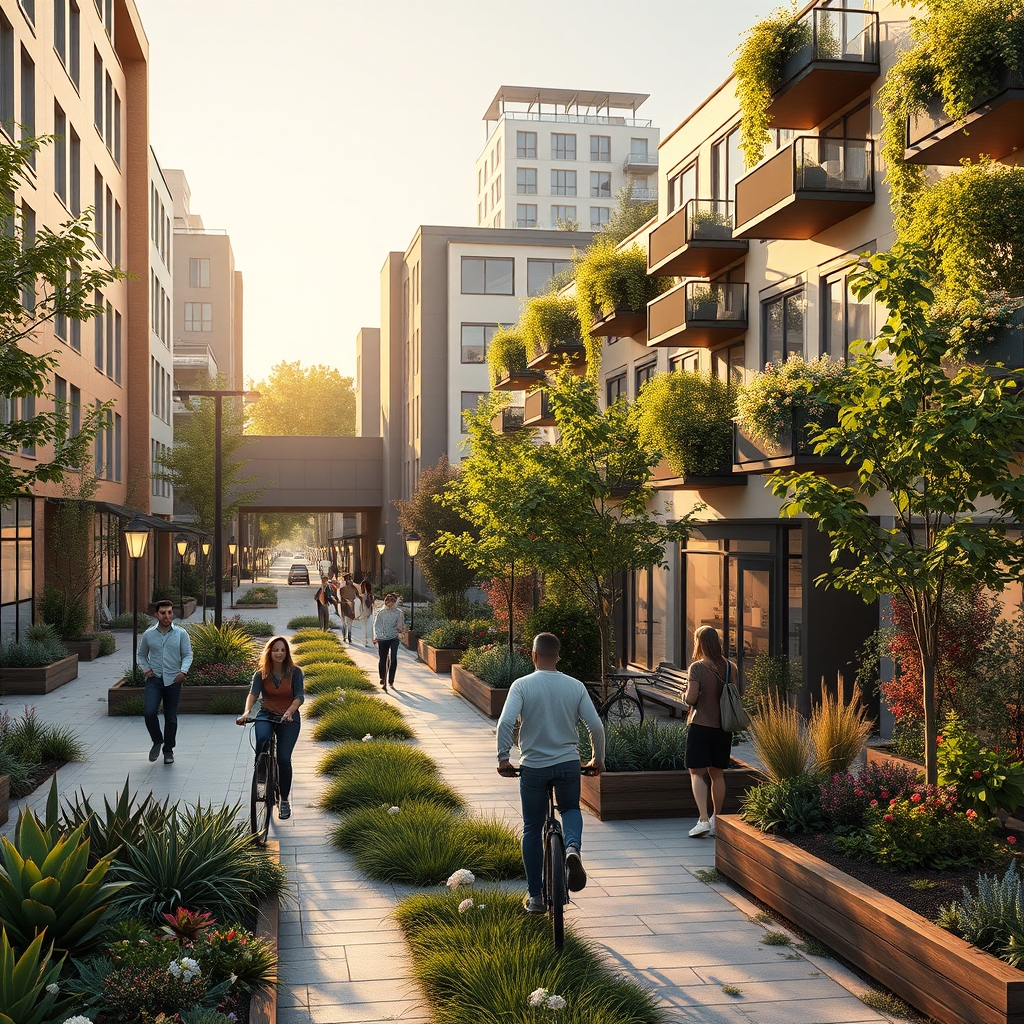
Cities are evolving, and with them, the vision of what urban living can—and should—be. No longer are concrete jungles the sole definition of metropolitan life. Instead, a new paradigm is emerging, one where nature, community, and innovation intertwine to create spaces that are not only livable but thriving. At the heart of this transformation lies green infrastructure, a concept that reimagines urban design to prioritize sustainability, resilience, and human well-being. From walkable neighborhoods to solar-powered commons, these innovations are reshaping how we interact with our cities and each other.
The Rise of Walkable Neighborhoods
Walkability is more than just a trend; it’s a fundamental shift in how we design urban spaces. Walkable neighborhoods reduce reliance on cars, lower carbon emissions, and foster a sense of community. Imagine strolling down a tree-lined street where shops, cafes, and parks are all within a 10-minute walk from your home. This isn’t a utopian dream—it’s a reality in cities like Copenhagen, Barcelona, and Portland, where pedestrian-friendly designs have become a cornerstone of urban planning.
These neighborhoods are often characterized by mixed-use developments, where residential, commercial, and recreational spaces coexist. The result? Less traffic, cleaner air, and more opportunities for spontaneous social interactions. When people can walk or bike to their destinations, they’re not just reducing their carbon footprint—they’re also improving their physical and mental health. The benefits extend beyond the individual, too. Local businesses thrive in walkable areas, as foot traffic replaces the need for costly advertising. It’s a win-win for both the environment and the economy.
Permeable Pavement: Paving the Way for Sustainable Drainage
Traditional concrete and asphalt surfaces contribute to urban flooding by preventing rainwater from seeping into the ground. Enter permeable pavement, a game-changer in sustainable urban drainage. This innovative material allows water to pass through it, reducing runoff and replenishing groundwater supplies. Cities like Seattle and Philadelphia have already embraced permeable pavement in their stormwater management strategies, with impressive results.
Beyond its functional benefits, permeable pavement also enhances the aesthetic appeal of urban spaces. It can be designed to mimic the look of traditional paving while incorporating recycled materials, further reducing its environmental impact. When combined with rain gardens—shallow depressions planted with native vegetation—permeable pavement creates a natural filtration system that captures pollutants and prevents them from entering waterways. It’s a small change with a big impact, proving that sustainability doesn’t have to come at the expense of beauty or functionality.
Community Pocket Parks: Small Spaces, Big Impact
Not all green spaces need to be sprawling parks. Community pocket parks are small, accessible areas that bring nature into the heart of urban neighborhoods. These mini-parks can be as simple as a bench surrounded by native plants or as elaborate as a playground with permeable surfaces and solar-powered lighting. What they lack in size, they make up for in accessibility and community engagement.
Pocket parks serve multiple purposes. They provide a place for residents to relax, socialize, and connect with nature. They also act as microclimate cooling zones, reducing the urban heat island effect by providing shade and evaporative cooling. In densely populated areas where space is at a premium, these small green oases are a testament to the idea that even the tiniest patches of land can make a difference. Cities like New York and San Francisco have successfully integrated pocket parks into their urban fabric, proving that sustainability is about quality, not just quantity.
Urban Foraging Zones: Reconnecting with Nature
What if your local park didn’t just offer a place to sit but also a source of fresh, free food? Urban foraging zones are making this a reality by planting edible landscapes in public spaces. These zones feature fruit trees, berry bushes, and herb gardens that are free for the community to harvest. It’s a radical idea that challenges the notion of public space as something purely decorative or recreational.
Urban foraging zones have multiple benefits. They promote food security by providing access to fresh produce in areas where grocery stores may be scarce. They also foster a deeper connection between people and their environment, encouraging residents to see nature as a source of sustenance rather than just scenery. Cities like Seattle and London have experimented with foraging zones, and the results have been overwhelmingly positive. Residents report feeling more connected to their neighborhoods, and the initiative has sparked conversations about sustainability and self-sufficiency.
Smart Street Lighting: Illuminating the Future
Street lighting is a necessity, but it doesn’t have to be a drain on resources. Smart street lighting uses LED bulbs, motion sensors, and solar power to create energy-efficient illumination that adapts to the needs of the community. These systems can dim or brighten based on pedestrian activity, reducing energy consumption without compromising safety. Some cities, like Los Angeles and Amsterdam, have already made the switch to smart lighting, cutting their energy use by up to 70%.
Beyond energy savings, smart street lighting can also enhance public safety. Motion-activated lights deter crime by ensuring that areas are well-lit when people are present. They can also be integrated with other smart city technologies, such as traffic monitoring systems or emergency response networks. The result is a more responsive, efficient, and sustainable urban environment. It’s a shining example of how technology and sustainability can work hand in hand.
Native Plant Landscaping: Beauty with a Purpose
Landscaping is often seen as purely aesthetic, but when done right, it can be a powerful tool for sustainability. Native plant landscaping uses species that are indigenous to the region, reducing the need for water, fertilizers, and pesticides. These plants are adapted to the local climate and soil, making them more resilient and easier to maintain. They also provide habitat for local wildlife, supporting biodiversity in urban areas.
Native plants are more than just low-maintenance—they’re also beautiful. From wildflowers that burst into color in the spring to shrubs that provide year-round greenery, these plants can transform urban spaces into vibrant, living landscapes. Cities like Chicago and Melbourne have embraced native plant landscaping, creating green corridors that connect parks, streets, and public spaces. The result is a city that feels alive, not just in the sense of human activity, but in the richness of its natural ecosystems.
As cities continue to grow, the need for sustainable urban design becomes more urgent. Green infrastructure offers a path forward, one that prioritizes people and the planet over profit and convenience. Whether it’s through walkable neighborhoods, permeable pavement, or urban foraging zones, these innovations are proving that sustainability isn’t just a goal—it’s a way of life. The cities of the future won’t be defined by their skyscrapers or their sprawl, but by their ability to harmonize with nature and nurture the communities that call them home. In this vision, every street, park, and building becomes an opportunity to create a better, greener world.