The Subtle Sophistication of Modern Heritage: How Wooden Ceilings, Smart Bidets, and Multi-Functional Rooms Are Crafting Intimate Luxury
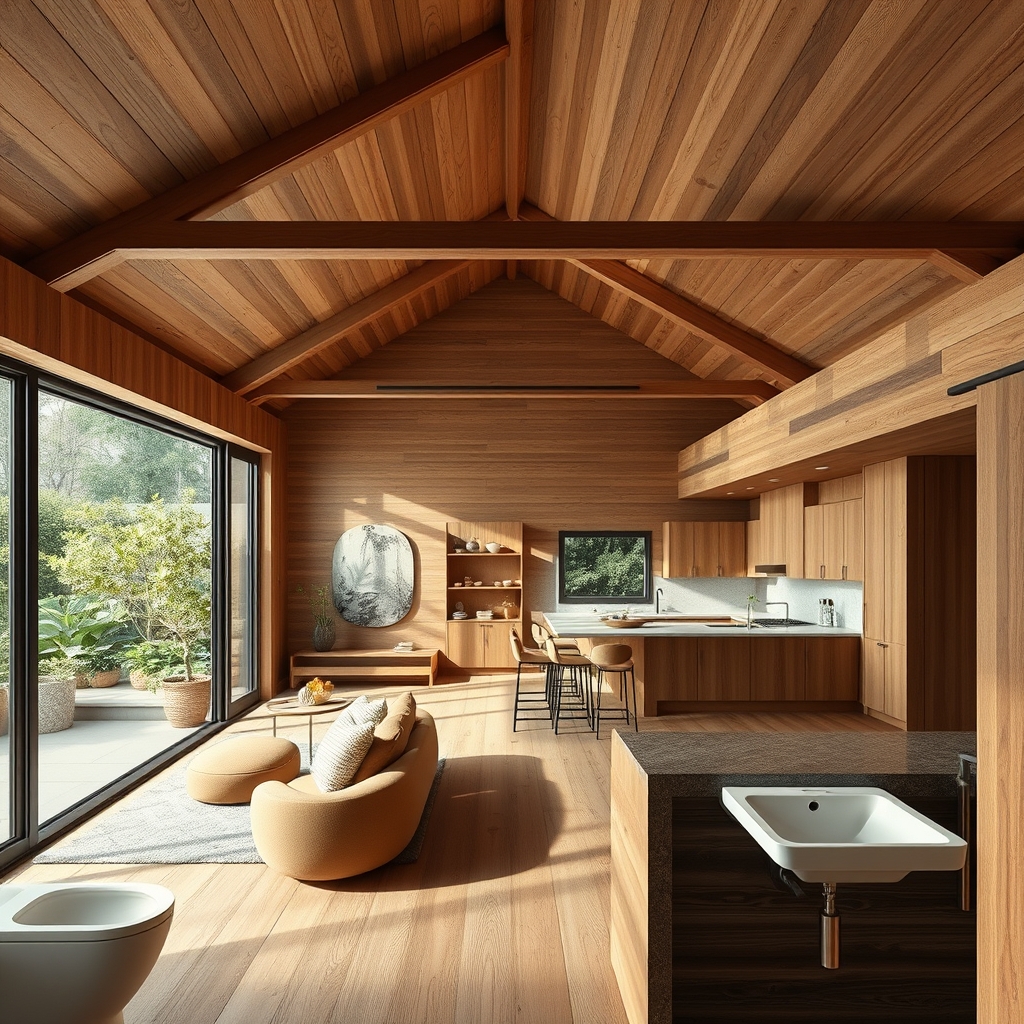
In the ever-evolving landscape of interior design, the fusion of modern heritage with contemporary innovation has given rise to spaces that are not only visually stunning but deeply functional. This delicate balance between the old and the new is redefining what it means to live in a home that feels both timeless and cutting-edge. At the heart of this movement lies an appreciation for materials and technologies that enhance daily life without sacrificing aesthetic appeal, creating environments that are as practical as they are beautiful.
The Resurgence of Wooden Ceilings: A Nod to Tradition
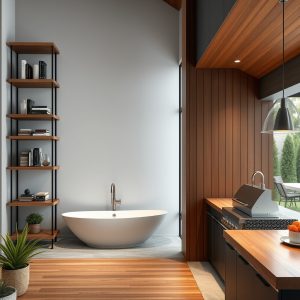
Wooden ceilings, once a hallmark of rustic charm, have made a striking comeback in modern heritage design. No longer confined to cabins or countryside retreats, they now grace urban lofts, contemporary kitchens, and even minimalist bathrooms. The warmth of wood, whether in rich walnut, light oak, or reclaimed timber, adds an organic texture that contrasts beautifully with sleek, modern furnishings. This revival is not just about aesthetics—it’s about creating a sense of connection to nature, a principle at the core of biophilic design. When paired with aged metals or soft, earthy palettes, wooden ceilings elevate a space from ordinary to extraordinary, imbuing it with a sense of history and craftsmanship.
Why Wooden Ceilings Work in Modern Spaces
The appeal of wooden ceilings lies in their versatility. In open-concept living areas, they help define zones without the need for walls, subtly guiding the eye and creating a sense of intimacy. In kitchens, they add warmth to what can often feel like a clinical space, especially when combined with mixed wood tones in cabinetry and flooring. For those embracing warm minimalism, wooden ceilings provide just the right amount of texture to prevent a space from feeling too stark or impersonal. The key is in the details—opt for wide planks, herringbone patterns, or even exposed beams to add character and depth.
Smart Bidets: The Unexpected Luxury of Modern Bathrooms
While wooden ceilings bring a touch of tradition to modern homes, smart bidets represent the pinnacle of contemporary innovation. Once considered a niche luxury, these high-tech bathroom fixtures are becoming a staple in homes that prioritize both comfort and sustainability. Smart bidets offer a level of personalization that traditional toilets simply cannot match—adjustable water temperature, customizable spray patterns, and even built-in air dryers transform a mundane routine into a spa-like experience. But their appeal goes beyond convenience. In an era where water conservation is paramount, smart bidets use significantly less water than conventional toilets, aligning perfectly with the ethos of sustainable living.
Integrating Smart Bidets into Spa Bathrooms
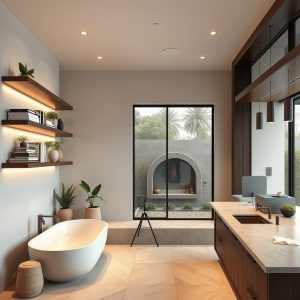
The rise of spa bathrooms has created the perfect backdrop for smart bidets. These spaces, designed to evoke tranquility and indulgence, benefit from the seamless integration of technology that enhances rather than detracts from the overall aesthetic. Pairing a smart bidet with natural materials like stone, wood, and aged metals creates a harmonious blend of form and function. For those embracing biophilic design, incorporating elements like indoor plants or a wooden vanity can further enhance the sense of serenity. The result is a bathroom that feels like a personal retreat, where every detail is designed to promote wellness and relaxation.
Multi-Functional Rooms: The Art of Adaptive Living
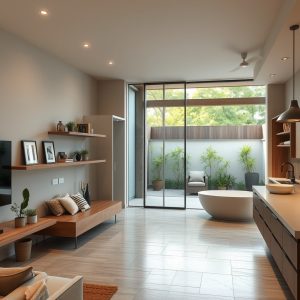
As homes continue to evolve, so too does the way we use them. The concept of multi-functional rooms has gained traction as homeowners seek to maximize space without compromising on style. Whether it’s a home office that doubles as a guest room, a dining area that transforms into a workspace, or a living room that adapts to accommodate both relaxation and entertainment, these spaces are all about flexibility. The challenge lies in creating a design that feels cohesive and intentional, rather than cluttered or disjointed.
Designing for Versatility with Modern Heritage Elements
The key to successful multi-functional rooms is in the details. Curved furniture, for example, can soften the lines of a space, making it feel more fluid and adaptable. Floating shelves provide storage without taking up valuable floor space, while hidden pantries or built-in cabinetry keep clutter at bay. Earthy palettes and textured surfaces add depth and warmth, ensuring that the room feels inviting no matter its purpose. For those who love the modern heritage aesthetic, incorporating mixed wood tones or aged metals can tie the space together, creating a sense of continuity and elegance. The goal is to design a room that can effortlessly shift from one function to another, without ever feeling like a compromise.
The Role of Technology in Modern Heritage Design
While the modern heritage movement is rooted in tradition, it is by no means resistant to innovation. Smart thermostats, for instance, offer a level of control and efficiency that was unimaginable just a few decades ago. These devices not only learn your preferences over time but also help reduce energy consumption, making them a perfect fit for homes that prioritize sustainability. Similarly, outdoor kitchens equipped with smart appliances extend the functionality of a home, blurring the lines between indoor and outdoor living. The challenge is integrating these technologies in a way that feels organic, rather than intrusive.
Homes today are more than just places to live—they are reflections of our values, our lifestyles, and our aspirations. The modern heritage movement understands this implicitly, blending the best of the past with the innovations of the present to create spaces that are as meaningful as they are beautiful. Whether it’s the warmth of a wooden ceiling, the luxury of a smart bidet, or the versatility of a multi-functional room, these elements come together to craft homes that are not just stylish, but deeply personal. In a world that often feels transient, there is something profoundly comforting about a space that feels both timeless and distinctly yours.