The Intersection of Modern Heritage and Smart Living: How Earthy Palettes and Multi-Functional Spaces Are Crafting the Future of Home Design
The evolution of home design is a fascinating dance between the past and the future, where the warmth of heritage meets the precision of modern innovation. Today’s interiors are no longer confined to rigid definitions of style but instead embrace a fluid, adaptive approach that prioritizes both aesthetics and functionality. At the heart of this movement lies a deep appreciation for modern heritage—a philosophy that honors timeless craftsmanship while seamlessly integrating contemporary advancements. The result is spaces that feel both rooted and forward-thinking, where every element serves a purpose without sacrificing beauty.
The Rise of Earthy Palettes in Contemporary Spaces
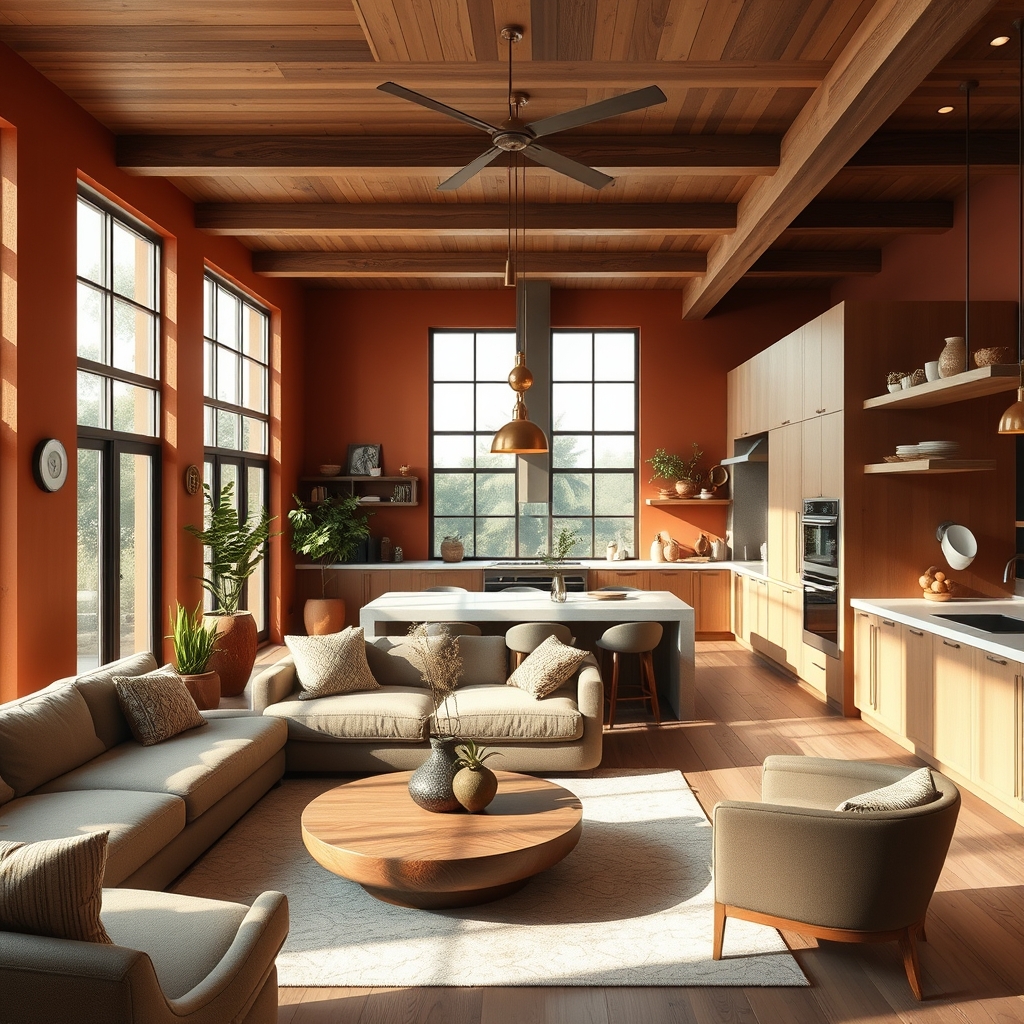
One of the most striking trends in modern interior design is the shift toward earthy palettes, which bring a sense of calm and grounding to living spaces. These tones—think warm terracottas, muted olives, deep ochres, and soft clay—are inspired by nature and evoke a connection to the outdoors. Unlike the stark whites and cool grays that dominated design in previous decades, earthy hues create an inviting atmosphere that feels both sophisticated and approachable.
Designers are increasingly using these palettes as a foundation, layering in textured surfaces like linen, rattan, and handwoven textiles to add depth and tactile interest. The key is balance: pairing rich, organic tones with sleek, modern materials to prevent the space from feeling overly rustic. For instance, a deep umber wall might be complemented by a smooth, aged-metal light fixture or a polished concrete countertop, creating a dialogue between old and new that feels effortlessly cohesive.
Multi-Functional Rooms: The Art of Adaptive Living
As urban living spaces shrink and remote work becomes a permanent fixture, the demand for multi-functional rooms has surged. Homeowners are no longer satisfied with single-purpose spaces; instead, they seek environments that can adapt to their ever-changing needs. A living room might double as a home office, a guest bedroom could transform into a yoga studio, and a kitchen island might serve as both a dining area and a workspace.
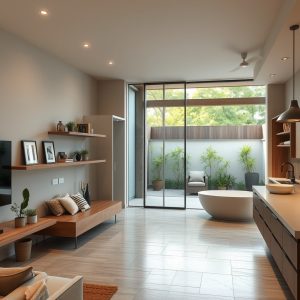
The secret to successful multi-functional design lies in kitchen zoning and thoughtful spatial planning. For example, a well-designed kitchen might feature distinct zones for cooking, prep work, and socializing, each with its own dedicated storage and counter space. Floating shelves and hidden pantries play a crucial role here, offering storage solutions that keep clutter at bay while maintaining a clean, open aesthetic. Meanwhile, curved furniture—another rising trend—softens the edges of these versatile spaces, making them feel more organic and less utilitarian.
Biophilic Design: Bringing the Outdoors In
At the core of many modern design trends is biophilic design, a philosophy that seeks to strengthen the connection between humans and nature within built environments. This approach goes beyond simply adding a few plants to a room; it’s about integrating natural elements in ways that enhance well-being and create a sense of harmony.
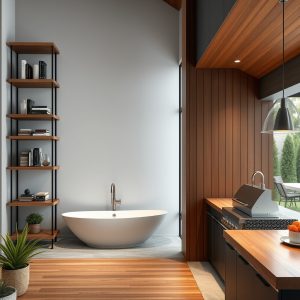
Wooden ceilings, for instance, are making a comeback as a way to introduce warmth and texture to a space while also improving acoustics. Mixed wood tones—another hallmark of modern heritage—add visual interest and depth, whether through a statement ceiling, a herringbone floor, or a collection of handcrafted furniture. Aged metals, such as brass and bronze, further enrich the space by introducing a patina that tells a story, bridging the gap between contemporary minimalism and timeless elegance.
Smart Living: The Invisible Revolution
While aesthetics play a crucial role in modern design, functionality is equally important. The integration of smart technology has revolutionized the way we interact with our homes, making everyday tasks more efficient and intuitive. Smart bidets and smart thermostats are just two examples of how innovation is enhancing comfort and sustainability without compromising on style.
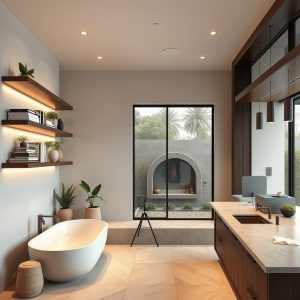
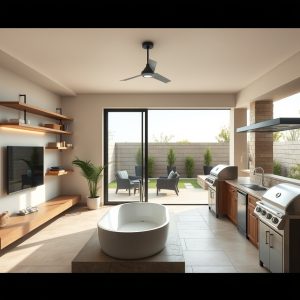
In the bathroom, spa-like retreats are being elevated with the addition of smart features that promote wellness. Heated floors, voice-activated lighting, and water-saving fixtures create an environment that feels luxurious yet responsible. Similarly, outdoor kitchens are becoming more sophisticated, with weather-resistant smart appliances that allow homeowners to cook, entertain, and relax in their backyards year-round. These advancements are not about flashy gadgets but about creating seamless, intuitive experiences that enhance daily life.
The Beauty of Warm Minimalism
In a world that often feels chaotic, many are turning to warm minimalism as a way to create serene, clutter-free spaces that still feel inviting. This approach strips away the unnecessary, focusing instead on quality over quantity. The result is interiors that are calm and uncluttered but far from cold or sterile.
Warm minimalism thrives on a neutral color palette—think soft beiges, warm grays, and muted whites—paired with natural materials like wood, stone, and linen. The emphasis is on craftsmanship and texture, with each piece carefully chosen for its ability to contribute to the overall harmony of the space. Curved furniture plays a key role here, as its soft lines add a sense of movement and fluidity, preventing the space from feeling too rigid or static.
Sustainability is also a cornerstone of warm minimalism, with designers prioritizing sustainable materials that are both beautiful and eco-friendly. Reclaimed wood, recycled metals, and low-VOC paints are just a few of the choices that allow homeowners to create spaces that are as kind to the planet as they are to the eye. This mindful approach to design ensures that the homes of the future are not only stylish but also responsible, reflecting a deeper understanding of our impact on the world around us.
As we look ahead, it’s clear that the future of home design lies in the delicate balance between innovation and tradition. The spaces we create today are a reflection of our values—our desire for connection, our need for functionality, and our longing for beauty. By embracing the principles of modern heritage, earthy palettes, and smart living, we can craft environments that are not only visually stunning but also deeply meaningful, offering a sanctuary in an ever-changing world.