The Soul of Modern Heritage: How Earthy Palettes, Curved Furniture, and Sustainable Materials Are Crafting Timeless Sanctuaries
The modern home is no longer just a place of shelter; it has evolved into a sanctuary that reflects our values, aspirations, and connection to the natural world. At the heart of this transformation lies the philosophy of modern heritage—a design ethos that seamlessly blends timeless elegance with contemporary innovation. This approach is not about fleeting trends but about creating spaces that feel both rooted in history and effortlessly forward-thinking. One of the most compelling ways this philosophy manifests is through the use of earthy palettes, curved furniture, and sustainable materials, each playing a pivotal role in shaping interiors that are as soulful as they are stylish.
The Power of Earthy Palettes: A Return to Nature’s Embrace
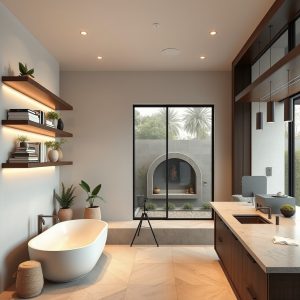
Colour has always been a powerful tool in interior design, capable of evoking emotion, setting moods, and even influencing our well-being. In the realm of modern heritage, earthy palettes have emerged as a cornerstone, offering a soothing antidote to the sterile minimalism of the past. Think warm terracottas, muted ochres, deep forest greens, and soft clay tones—hues that ground a space while imbuing it with a sense of tranquillity and depth.
These palettes do more than just please the eye; they foster a connection to the natural world, a principle at the core of biophilic design. By incorporating colours inspired by landscapes, sunsets, and organic materials, homes become extensions of the outdoors, blurring the lines between inside and out. The result is an environment that feels both nurturing and invigorating, where every shade tells a story of the earth’s quiet beauty.
Layering Textures for Depth and Dimension
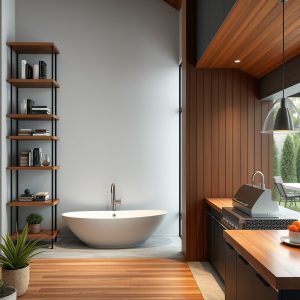
An earthy palette is only as rich as the textures that accompany it. Modern heritage design thrives on the interplay of materials—rough-hewn stone against smooth linen, the patina of aged metals juxtaposed with the softness of wool, or the grain of reclaimed wood set against the sleekness of matte ceramics. These contrasts create a tactile experience that engages the senses, making a space feel lived-in and layered with history.
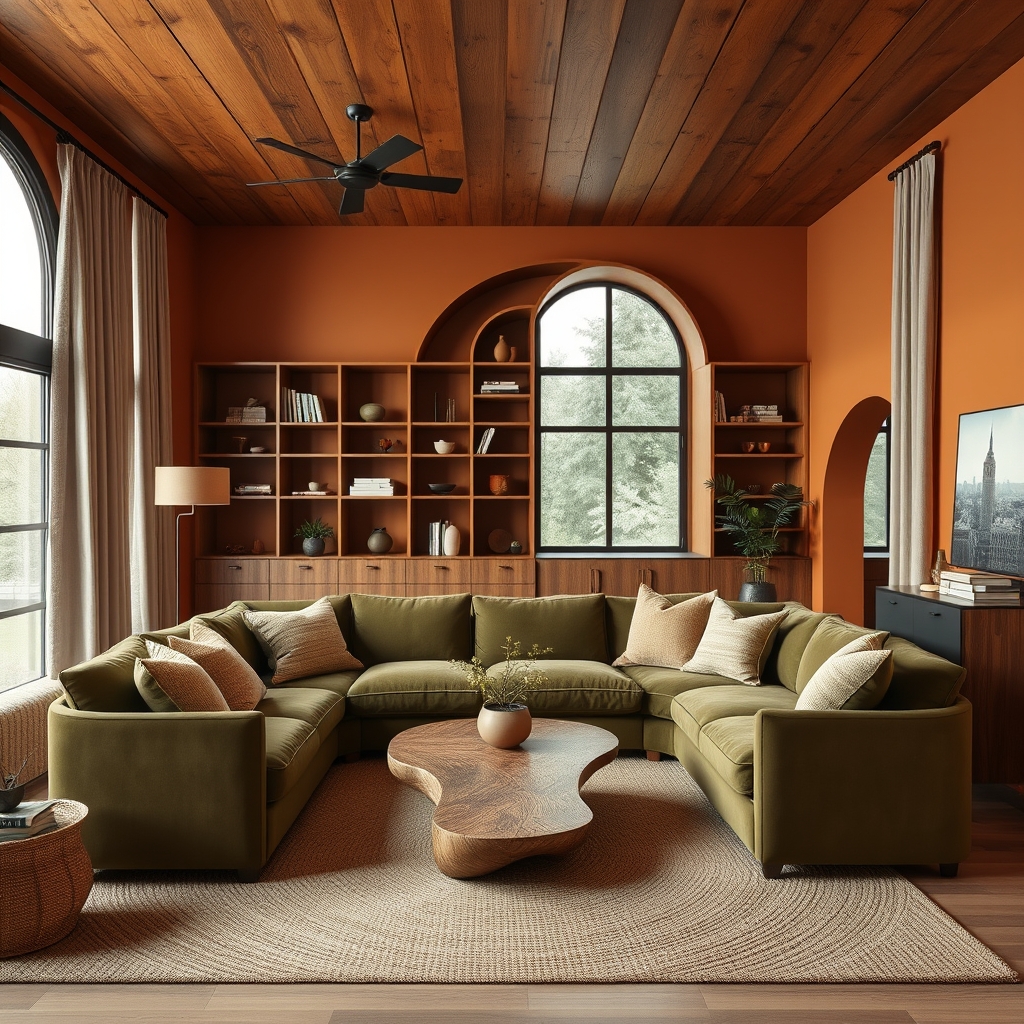
For instance, a living room might feature a wooden ceiling with visible knots and imperfections, paired with a plush, textured rug in a warm ochre tone. The walls could be adorned with handwoven tapestries or clay plaster, adding depth and warmth. Even in smaller details, like a coffee table crafted from reclaimed teak or a sideboard with aged metal handles, the emphasis is on materials that tell a story. This approach not only adds visual interest but also reinforces the idea that a home should feel like a curated collection of meaningful pieces, rather than a showroom of mass-produced items.
The Allure of Curved Furniture: Softening the Lines of Modernity
While sharp angles and geometric forms have long dominated contemporary design, there is a growing appreciation for the softness and fluidity of curved furniture. This shift is not merely aesthetic; it reflects a deeper desire for spaces that feel more organic and human-centric. Curves invite movement, create a sense of flow, and add a touch of playfulness to interiors, making them feel more welcoming and less rigid.
In modern heritage homes, curved furniture serves as a bridge between the past and present. A sculptural, mid-century-inspired sofa in a deep olive green, for example, can anchor a living room while echoing the organic forms found in nature. Similarly, a round dining table crafted from sustainably sourced wood fosters conversation and connection, breaking away from the formalities of traditional rectangular setups. Even in smaller doses, like a curved credenza or an arched mirror, these pieces add a layer of sophistication and warmth that linear designs often lack.
Curves and the Evolution of Open-Concept Living
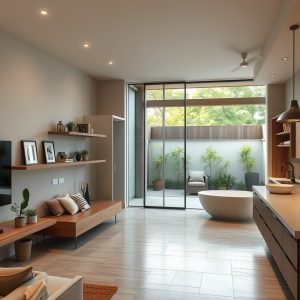
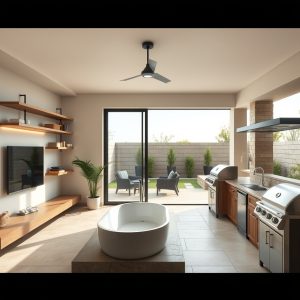
The rise of open-concept living has revolutionised how we interact with our homes, but it has also presented challenges in defining spaces without the use of walls. Curved furniture offers an elegant solution, acting as subtle dividers that guide movement while maintaining a sense of openness. A gently arched bookshelf, for instance, can delineate a reading nook from a living area without closing off the space. Similarly, a curved kitchen island can soften the transition between cooking and dining zones, making the area feel more cohesive and inviting.
This approach aligns perfectly with the principles of kitchen zoning, where functionality meets aesthetics. By using curved furniture to create distinct yet interconnected areas, homeowners can enjoy the benefits of an open layout without sacrificing the intimacy and purpose of each space.
Sustainable Materials: Building a Legacy for the Future
No discussion of modern heritage would be complete without addressing the role of sustainable materials. As awareness of environmental issues grows, so too does the desire to create homes that are not only beautiful but also responsible. Sustainable design is no longer a niche trend; it is a fundamental aspect of modern living, and it is reshaping how we think about the materials we bring into our spaces.
From reclaimed wood and bamboo to recycled metals and low-VOC paints, the options for eco-conscious materials are vast and varied. These choices not only reduce our environmental footprint but also add a layer of authenticity to our homes. A wooden ceiling made from salvaged barn wood, for example, carries the history of its previous life, adding character and warmth to a space. Similarly, countertops crafted from recycled glass or quartz not only look stunning but also tell a story of innovation and resourcefulness.
The Intersection of Sustainability and Smart Living
Sustainability in modern heritage homes extends beyond materials; it also encompasses the integration of smart technology that enhances efficiency and comfort. Smart thermostats, for instance, allow homeowners to optimise energy use, reducing waste while maintaining a cosy environment. Similarly, smart bidets and water-saving fixtures in spa bathrooms combine luxury with eco-consciousness, proving that sustainability and indulgence are not mutually exclusive.
Even in the kitchen, sustainable practices are taking centre stage. Hidden pantries and clever storage solutions reduce clutter and waste, while energy-efficient appliances ensure that functionality does not come at the expense of the planet. By thoughtfully integrating these elements, modern heritage homes become not just reflections of personal style but also beacons of responsible living.
Crafting Spaces That Feel Like Home
At its core, modern heritage design is about creating spaces that feel timeless yet relevant, luxurious yet unpretentious, and deeply personal yet universally appealing. It is a celebration of the past, present, and future, where every element—from the earthy palettes that ground a room to the curved furniture that softens its edges—works in harmony to craft an environment that nurtures the soul.
The beauty of this approach lies in its flexibility. Whether you are drawn to the warmth of mixed wood tones, the elegance of aged metals, or the tranquillity of biophilic design, modern heritage offers a framework that can be adapted to suit any aesthetic or lifestyle. It is not about adhering to rigid rules but about embracing what resonates with you and weaving it into the fabric of your home. In doing so, you create a space that is not just a reflection of current trends but a legacy that will endure for generations to come, a true sanctuary where every detail tells a story and every moment feels like coming home.