Biophilic Design and Earthy Palettes: Crafting Serene Sanctuaries with Modern Heritage Elements

In the ever-evolving landscape of home design, the fusion of biophilic principles with earthy palettes has emerged as a transformative trend, creating spaces that nurture the soul while honoring modern heritage. This approach transcends mere aesthetics, offering a holistic experience that connects inhabitants with nature, fosters well-being, and celebrates the timeless elegance of natural materials. As we navigate the complexities of modern life, the demand for interiors that ground us in tranquility and authenticity has never been more pronounced.
The Essence of Biophilic Design
Biophilic design is more than a trend—it’s a philosophy that integrates natural elements into the built environment to enhance human health and productivity. At its core, it seeks to replicate the patterns, textures, and rhythms of nature within our living spaces. Think of the dappled light filtering through a forest canopy, the soothing sound of water trickling over stones, or the organic curves of a riverbank. These elements, when translated into interior design, create environments that reduce stress, improve cognitive function, and elevate mood.
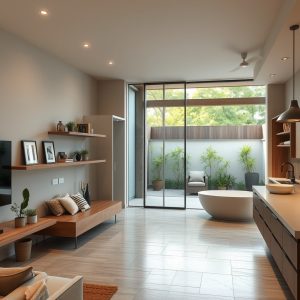
Incorporating biophilic design can be as simple as introducing indoor plants, maximizing natural light, or using materials like reclaimed wood and stone. However, the most impactful spaces go further, integrating water features, living walls, or even nature-inspired artwork. The goal is to blur the boundaries between indoors and outdoors, fostering a seamless transition that makes the home feel like a natural extension of the environment.
Earthy Palettes: The Foundation of Serenity
Earthy palettes are the perfect complement to biophilic design, offering a warm, inviting foundation that evokes the richness of the natural world. These hues—think terracotta, olive green, warm ochre, deep umber, and soft clay—are derived from the earth itself, creating a sense of stability and harmony. Unlike the stark whites or cool grays of minimalist design, earthy tones bring depth and warmth, making spaces feel cozy yet sophisticated.
Colour drenching, a technique where a single hue is used across walls, ceilings, and even furniture, can amplify the impact of earthy palettes. This approach creates a cocooning effect, enveloping the room in a soothing embrace. For example, a living room drenched in a muted sage green can evoke the tranquility of a forest glade, while a bedroom awash in warm terracotta might mimic the sun-baked clay of a Mediterranean landscape. When paired with natural textures like linen, jute, or rattan, these palettes create a tactile experience that engages the senses.
Modern Heritage Meets Natural Elegance
Modern heritage design celebrates the craftsmanship and timelessness of traditional materials while embracing contemporary functionality. When combined with biophilic and earthy elements, it creates spaces that feel both rooted in history and forward-thinking. Wooden ceilings, for instance, add warmth and character, harkening back to rustic barns or historic cottages, while aged metals—such as brass, copper, or iron—introduce a touch of industrial elegance that contrasts beautifully with organic textures.
Curved furniture is another hallmark of this design ethos, softening the angularity of modern spaces and echoing the fluid forms found in nature. A rounded sofa or a circular dining table can make a room feel more inviting and harmonious, while also serving as a focal point that draws the eye. Mixed wood tones, when thoughtfully layered, add depth and interest, preventing the space from feeling too monochromatic. For example, pairing a light oak dining table with walnut chairs and a reclaimed wood sideboard creates a dynamic interplay of hues and grains that feels both intentional and organic.
Spa Bathrooms: A Sanctuary of Wellness
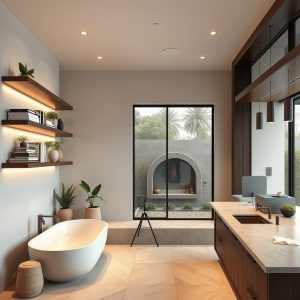
The bathroom has evolved from a purely functional space into a personal sanctuary where wellness takes center stage. Spa bathrooms, inspired by biophilic design, transform this often-overlooked room into a retreat that soothes the body and mind. Imagine stepping into a bathroom where the sound of a waterfall feature fills the air, the scent of eucalyptus lingers, and the soft glow of natural light filters through sheer linen curtains. This is the essence of a spa bathroom—a space designed for relaxation and rejuvenation.
Key elements of a spa bathroom include freestanding soaking tubs, rainfall showers, and heated floors, all of which contribute to a luxurious experience. Natural materials like stone, teak, and bamboo are used liberally, while smart bidets and thermostatic shower systems add a layer of modern convenience. Hidden pantries or floating shelves can be incorporated to keep the space clutter-free, ensuring that the focus remains on tranquility. For an added touch of biophilic design, consider a living wall of moss or ferns, which not only purifies the air but also brings a vibrant splash of green into the room.
Sustainable Materials: Designing for the Future
As awareness of environmental issues grows, so does the demand for sustainable materials in home design. Biophilic and earthy palettes naturally lend themselves to eco-friendly choices, as they often rely on renewable resources like wood, cork, and bamboo. However, sustainability goes beyond material selection—it’s about creating spaces that are durable, energy-efficient, and mindful of their environmental impact.
Reclaimed wood, for example, not only adds character to a space but also reduces the demand for new timber, preserving forests and reducing carbon emissions. Similarly, recycled metals and glass can be repurposed into stunning light fixtures, countertops, or decorative accents. Even textiles can be sustainable, with options like organic cotton, linen, and hemp offering eco-friendly alternatives to synthetic fabrics. Smart thermostats and energy-efficient lighting further enhance the sustainability of a home, ensuring that it remains both beautiful and responsible.
Outdoor Kitchens: Extending the Living Space
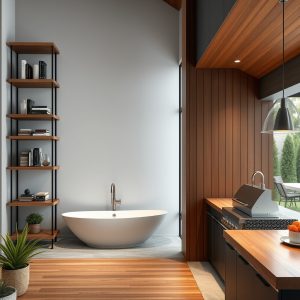
The line between indoor and outdoor living continues to blur, and outdoor kitchens are a prime example of this evolution. These spaces allow homeowners to enjoy the beauty of nature while cooking, dining, and entertaining, creating a seamless flow between the interior and exterior of the home. An outdoor kitchen can be as simple as a built-in grill and countertop or as elaborate as a fully equipped cooking area with a pizza oven, refrigerator, and sink.
To align with biophilic and earthy design principles, outdoor kitchens should incorporate natural materials like stone, wood, and aged metals. A wooden pergola or canopy can provide shade and define the space, while a stone countertop adds durability and visual interest. Earthy palettes can be extended outdoors with terracotta planters, olive-green cabinetry, or warm-toned tiles. For a truly immersive experience, consider adding a water feature or fire pit, which not only enhances the ambiance but also creates a focal point for gatherings.
Designing a home that embraces biophilic principles and earthy palettes is about more than just following a trend—it’s about creating a sanctuary that nourishes the spirit and honors the natural world. Whether through the organic curves of a piece of furniture, the soothing hues of a colour-drenched wall, or the sustainable materials that form the foundation of the space, every element should work together to create a harmonious whole. In a world that often feels disconnected from nature, these interiors offer a reminder of the beauty and tranquility that can be found in the simplest of natural elements, inviting us to slow down, breathe deeply, and reconnect with what truly matters.