The Evolution of Open Concept Living: How Curved Furniture and Mixed Wood Tones Are Crafting Fluid, Earthy Spaces
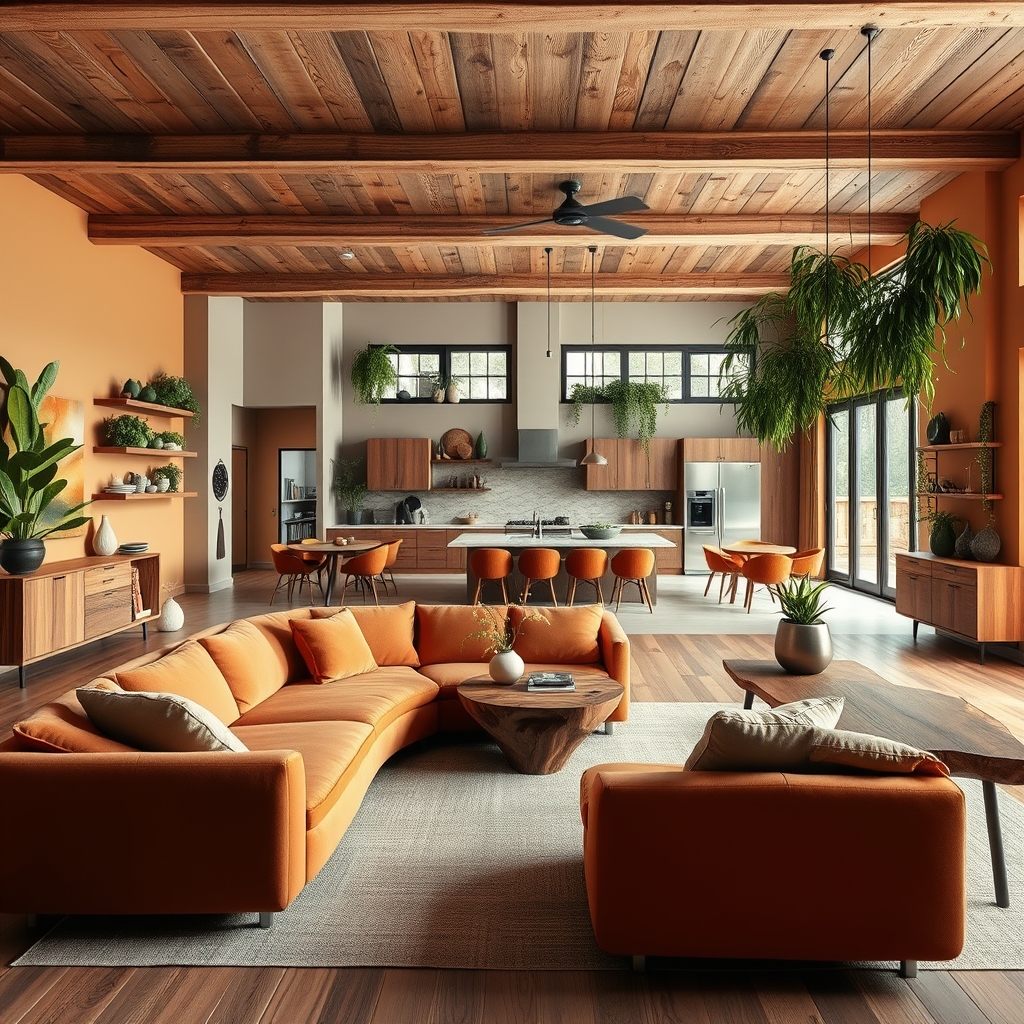
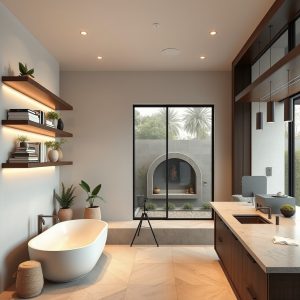
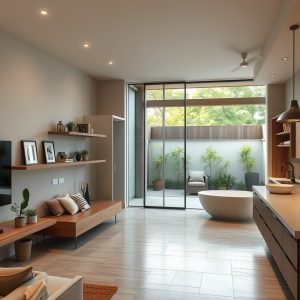
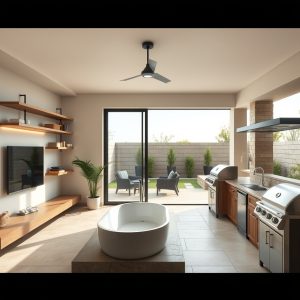
The modern home is no longer a rigid collection of boxy rooms but a fluid, dynamic environment where boundaries dissolve and functionality reigns. The evolution of open-concept living has taken a bold turn, embracing organic shapes, layered textures, and a deep connection to nature. At the heart of this transformation lies the interplay of curved furniture and mixed wood tones, two design elements that soften spaces while grounding them in warmth and authenticity.
The Rise of Curved Furniture: Breaking the Angular Mold
For decades, interior design was dominated by sharp lines and geometric precision, a reflection of the industrial era’s influence. But as homes became more about comfort and connection, the rigid aesthetics of the past gave way to softer, more inviting forms. Curved furniture—think rounded sofas, arched doorways, and sculptural coffee tables—has emerged as a defining feature of contemporary spaces. These pieces don’t just occupy a room; they flow with it, creating a sense of movement that linear designs often lack.
The appeal of curved furniture goes beyond aesthetics. Studies in environmental psychology suggest that rounded edges and organic shapes evoke feelings of safety and relaxation, making them ideal for spaces meant for unwinding. When paired with earthy palettes—think warm terracottas, soft ochres, and deep forest greens—these pieces foster an atmosphere of effortless elegance. The result is a home that feels both modern and timeless, where every corner invites lingering rather than rushing.
Mixed Wood Tones: A Symphony of Warmth and Depth
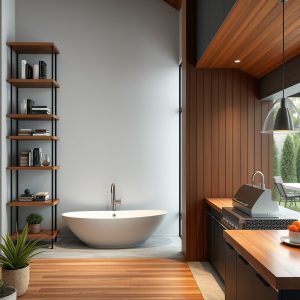
Gone are the days when matching wood finishes were the gold standard of interior design. Today, the trend leans toward mixed wood tones, a deliberate layering of different grains, hues, and textures to create visual interest. This approach mirrors the natural world, where no two trees are identical, and variety is the essence of beauty. A light oak dining table might sit alongside a walnut sideboard, while a teak bookshelf adds a touch of mid-century charm to the mix.
The key to pulling off mixed wood tones lies in balance. Too many competing finishes can create chaos, but a thoughtful combination—anchored by a dominant tone and accented with complementary hues—adds depth and character. This technique works particularly well in open-concept spaces, where the eye travels freely from one area to another. By varying wood tones, designers can subtly define zones without relying on walls or partitions, preserving the airy feel of the layout while adding layers of sophistication.
Biophilic Design: Bringing the Outdoors In
The shift toward biophilic design has further cemented the role of mixed wood tones and organic shapes in modern interiors. This philosophy, which seeks to connect occupants with nature, manifests in the use of natural materials, abundant greenery, and views of the outdoors. Wood, with its inherent warmth and texture, is a cornerstone of this approach. Whether it’s a reclaimed barnwood ceiling, a live-edge countertop, or a cluster of wooden stools, these elements infuse spaces with a sense of authenticity and tranquility.
Curved furniture enhances this connection by mimicking the fluidity of natural forms. A rounded armchair might echo the shape of a river stone, while an arched mirror reflects light in a way that evokes sunlight filtering through trees. When combined with earthy palettes and mixed wood tones, these design choices create a cohesive narrative—one that blurs the line between indoors and out, making the home feel like a seamless extension of the natural world.
Sustainable Materials: The Foundation of Modern Heritage
As the conversation around sustainability grows louder, so does the demand for materials that are as kind to the planet as they are beautiful. Sustainable materials—such as bamboo, cork, reclaimed wood, and recycled metals—are no longer niche choices but essential components of modern design. These materials not only reduce environmental impact but also add a layer of story and history to a space. A reclaimed wood beam, for instance, carries the patina of time, while a countertop made from recycled glass sparkles with a second life.
The beauty of sustainable materials lies in their versatility. They can be incorporated into every aspect of a home, from wooden ceilings that add warmth to a room to textured surfaces like jute rugs or linen upholstery that invite touch. When paired with mixed wood tones and curved furniture, these elements create a harmonious blend of old and new, where every piece feels intentional and full of life.
Smart Integration: Where Function Meets Form
No discussion of modern design would be complete without acknowledging the role of technology. Today’s homes are smarter than ever, with innovations like smart thermostats and smart bidets seamlessly integrated into the aesthetic. The challenge lies in ensuring these technologies don’t disrupt the organic flow of a space. This is where design-forward solutions come into play. A smart thermostat with a sleek, minimalist interface can blend into a wall of mixed wood tones, while a bidet with an aged metal finish can complement a spa-like bathroom.
The key is to treat technology as an extension of the design, not an afterthought. Floating shelves can double as charging stations, while hidden pantries can conceal smart appliances behind beautifully crafted cabinetry. By thoughtfully integrating these elements, homes can remain both cutting-edge and deeply rooted in the principles of modern heritage.
The modern home is a living, breathing entity—one that evolves with the needs and desires of its inhabitants. By embracing curved furniture, mixed wood tones, and sustainable materials, we create spaces that are not just functional but deeply personal. These elements work in harmony to craft environments that feel both timeless and fresh, where every detail tells a story and every corner invites connection. In a world that often feels fragmented, the home becomes a sanctuary of warmth, authenticity, and fluid beauty, a place where design and life intertwine seamlessly.