The Future of Sustainable Living: Innovative Home Design Trends for 2024 and Beyond
The modern home is evolving beyond mere shelter—it’s becoming a dynamic, energy-efficient, and adaptable space that prioritizes sustainability, accessibility, and smart functionality. As climate concerns grow and lifestyles shift, homeowners and builders are embracing cutting-edge design trends that redefine what it means to live comfortably and responsibly. From net-zero energy consumption to seamless integration of technology, these innovations are setting the stage for the homes of tomorrow.
The Rise of Net Zero Homes
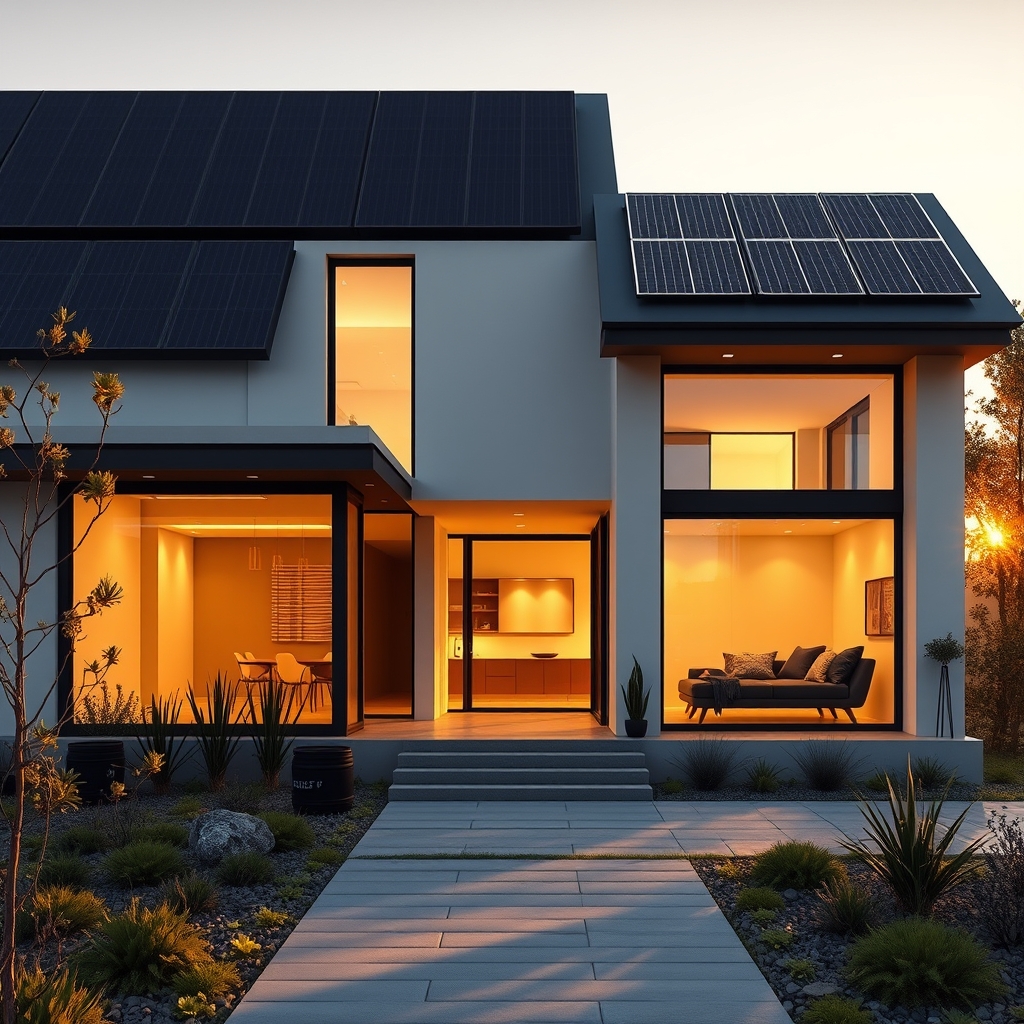
Net zero homes are no longer a futuristic concept but a tangible reality for eco-conscious homeowners. These homes produce as much energy as they consume, thanks to a combination of renewable energy sources, high-performance insulation, and advanced building techniques. Solar roof integration is a cornerstone of this movement, transforming rooftops into power generators that reduce reliance on the grid. Paired with energy recovery ventilators, which maintain indoor air quality while minimizing energy loss, net zero homes offer a blueprint for a carbon-neutral future.
Beyond energy efficiency, these homes often incorporate passive house standards, which focus on airtight construction, thermal bridging prevention, and optimal solar orientation. The result? A home that stays warm in winter and cool in summer with minimal mechanical intervention, significantly lowering utility bills and environmental impact.
Universal Design: Homes for All Ages and Abilities
As populations age and multigenerational living becomes more common, universal design is gaining traction. This approach ensures homes are accessible and functional for people of all ages and mobility levels, without sacrificing aesthetics. Features like zero-step entries, wider doorways, and lever-style handles are just the beginning. Multi-generational layouts often include first-floor bedrooms, adaptable bathroom designs with grab bars, and open-concept living spaces that accommodate wheelchairs and walkers.
Smart framing techniques further enhance universal design by allowing for flexible floor plans. Prefabricated modules, for instance, enable quick reconfiguration of spaces as needs change—whether it’s adding a home office, an in-law suite, or a playroom. This adaptability ensures that a home can evolve alongside its occupants, making it a lifelong investment rather than a short-term solution.
Healthy Building Materials: A Breath of Fresh Air
The materials used in home construction have a profound impact on indoor air quality and overall well-being. Healthy building materials, such as low-VOC paints, formaldehyde-free insulation, and sustainably sourced wood, are becoming standard in modern builds. These choices reduce exposure to harmful chemicals, allergens, and pollutants, creating a healthier living environment for families.
Acoustic insulation is another critical consideration, especially in urban areas or homes with open floor plans. By minimizing noise pollution from both external and internal sources, it fosters a sense of tranquility and focus. When combined with drought-tolerant landscaping and rainwater harvesting systems, these materials contribute to a home that’s not only healthier for its occupants but also gentler on the planet.
Smart Technology: The Brain of the Modern Home
Home automation hubs are transforming the way we interact with our living spaces. From lighting and temperature control to security and entertainment, smart systems allow homeowners to manage their homes with a tap on their smartphones or a voice command. Electric vehicle charging stations are becoming a must-have feature, reflecting the growing adoption of EVs and the need for convenient, at-home charging solutions.
Radiant floor heating is another smart innovation that enhances comfort while improving energy efficiency. Unlike traditional forced-air systems, radiant heating distributes warmth evenly through the floor, eliminating cold spots and reducing energy waste. When integrated with a home automation system, it can be programmed to heat specific zones only when needed, further optimizing energy use.
Minimalist Architecture and Cross-Ventilated Spaces
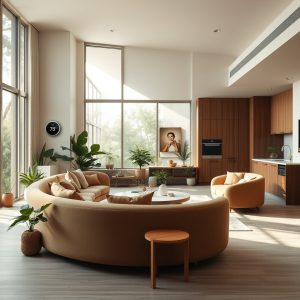
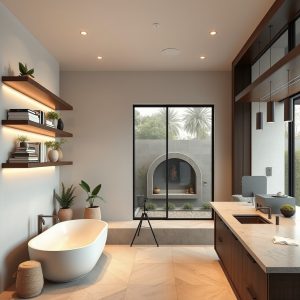
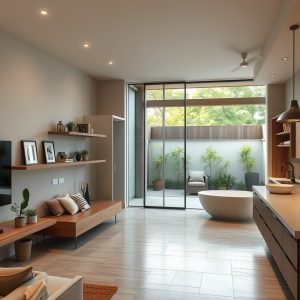
Minimalist architecture is more than an aesthetic choice—it’s a philosophy that emphasizes simplicity, functionality, and sustainability. By reducing clutter and focusing on essential elements, minimalist homes create a sense of calm and spaciousness. Large windows, open floor plans, and clean lines are hallmarks of this design trend, which also prioritizes natural light and ventilation.
Cross-ventilated spaces take this a step further by promoting airflow throughout the home. Strategically placed windows and vents allow fresh air to circulate, reducing the need for artificial cooling and improving indoor air quality. This passive cooling technique is especially valuable in warmer climates, where it can significantly lower energy consumption and enhance comfort.
Sustainable Landscaping: Beauty Meets Responsibility
The exterior of a home is just as important as its interior when it comes to sustainability. Drought-tolerant landscaping, for example, uses native plants and efficient irrigation systems to minimize water usage while maintaining curb appeal. Rainwater harvesting systems complement this approach by collecting and storing rainwater for irrigation, reducing reliance on municipal water supplies.
These landscaping choices not only conserve resources but also create habitats for local wildlife, promoting biodiversity. When paired with permeable paving and green roofs, they help manage stormwater runoff, reduce urban heat islands, and contribute to a healthier ecosystem. The result is a home that harmonizes with its surroundings, rather than imposing on them.
As we look to the future, the homes we build today will shape the way we live for decades to come. The trends emerging in 2024 reflect a growing awareness of our environmental footprint and a desire for spaces that are as intelligent as they are inviting. Whether through net-zero energy solutions, universal design principles, or smart technology, the modern home is evolving into a sanctuary that nurtures both people and the planet. The choices we make now will determine not just the comfort of our living spaces, but the legacy we leave for generations to come.