Building for Tomorrow: How Modern Homes Blend Sustainability, Accessibility, and Smart Design
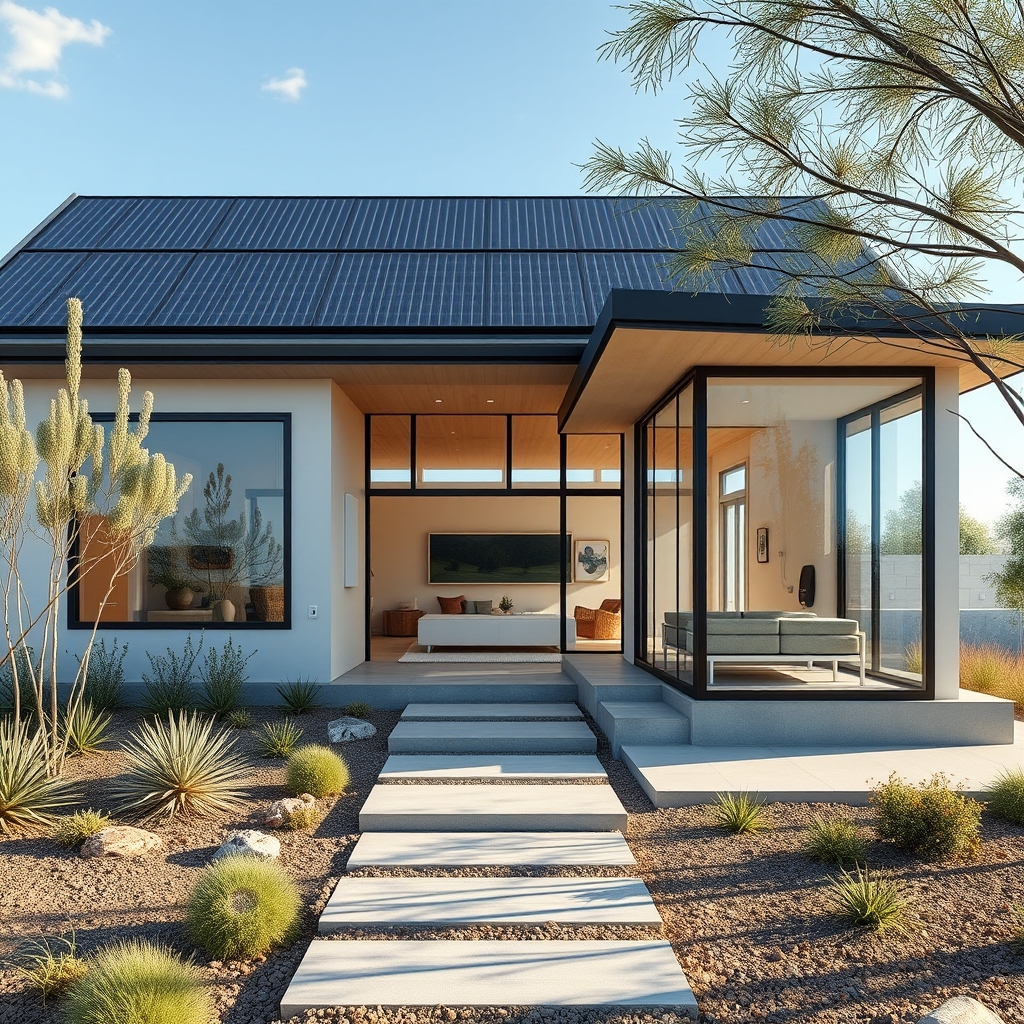
As the world grapples with climate change and an aging population, the way we design and build homes is evolving. Today’s homeowners are no longer satisfied with just aesthetics or square footage—they want spaces that are energy-efficient, accessible to all ages, and equipped with cutting-edge technology. The good news? Innovations in home construction are making it possible to achieve all three without sacrificing style or comfort. From net-zero energy goals to universal design principles, modern homes are redefining what it means to live well.
The Rise of Net Zero Homes: Living Without a Carbon Footprint
Net zero homes produce as much energy as they consume, thanks to a combination of renewable energy systems, high-performance insulation, and smart energy management. Solar roof integration is a cornerstone of this approach, turning rooftops into power generators. But it’s not just about slapping solar panels on a house—modern solar roofs are sleek, durable, and often indistinguishable from traditional roofing materials. Paired with energy recovery ventilators (ERVs), which recycle heat from exhaust air, these homes maintain optimal indoor temperatures with minimal energy waste.
High-performance insulation plays a critical role, too. Gone are the days of fiberglass batts; today’s insulation materials, like aerogel or vacuum-insulated panels, provide superior thermal resistance without adding bulk. When combined with passive house standards—rigorous guidelines for airtightness and energy efficiency—net zero homes can slash utility bills while drastically reducing carbon emissions. For homeowners, the upfront investment pays off in long-term savings and a lighter environmental footprint.
Universal Design: Homes That Adapt to Every Stage of Life
Universal design isn’t just for aging-in-place renovations—it’s a philosophy that makes homes accessible, safe, and comfortable for everyone, regardless of age or ability. Multi-generational layouts are a prime example, featuring open floor plans, wider doorways, and step-free entrances that accommodate strollers, wheelchairs, and walkers. Custom mudrooms with built-in benches and storage keep entryways organized, while lever-style door handles and touchless faucets make daily tasks easier for those with limited mobility.
But universal design goes beyond functionality. It’s about creating spaces that feel inclusive without looking institutional. Think of radiant floor heating, which eliminates cold spots and reduces the need for bulky radiators, or acoustic insulation that dampens noise for better sleep and concentration. Even drought-tolerant landscaping can be part of the equation, ensuring outdoor spaces are low-maintenance and accessible for those who may struggle with traditional gardening.
Smart Framing and Prefabricated Modules: Efficiency Without Compromise
Traditional stick framing is giving way to smarter, more efficient construction methods. Smart framing, for instance, uses advanced software to optimize lumber placement, reducing waste by up to 30% while maintaining structural integrity. Prefabricated modules take this a step further, with entire sections of a home built off-site in controlled environments. This not only speeds up construction but also minimizes material waste and weather-related delays.
Prefabricated homes are no longer the boxy, cookie-cutter structures of the past. Today’s modular designs are customizable, with options for everything from solar roof integration to electric vehicle charging stations. They’re also ideal for urban infill projects, where space is limited, and speed is essential. By combining smart framing with prefabricated modules, builders can deliver high-quality homes faster and more sustainably than ever before.
Healthy Building Materials: Breathing Easier at Home
Indoor air quality is a growing concern, especially as homes become more airtight for energy efficiency. Healthy building materials—like low-VOC paints, formaldehyde-free insulation, and natural wood finishes—help reduce toxins and allergens. Even flooring choices matter: cork and bamboo are renewable, hypoallergenic, and durable, while polished concrete offers a sleek, low-maintenance alternative to carpet or hardwood.
Passive house standards take this a step further by prioritizing ventilation systems that continuously filter and circulate fresh air. Energy recovery ventilators (ERVs) are particularly effective, as they transfer heat and moisture between incoming and outgoing air streams, maintaining comfort without sacrificing efficiency. For families with respiratory issues or allergies, these features can make a world of difference.
The Role of Technology: Home Automation Hubs and Beyond
Home automation isn’t just about convenience—it’s about creating a seamless, responsive living environment. Smart thermostats learn your habits and adjust temperatures automatically, while home automation hubs integrate lighting, security, and entertainment systems into a single, voice-controlled interface. For homeowners with electric vehicles, built-in charging stations eliminate the need for cumbersome adapters, making it easier to transition to sustainable transportation.
But technology isn’t just for gadget lovers. Cross-ventilated spaces, for example, use automated windows and sensors to optimize airflow, reducing the need for air conditioning. Drought-tolerant landscaping can be paired with smart irrigation systems that adjust watering schedules based on weather forecasts. Even rainwater harvesting systems can be monitored and controlled via smartphone, ensuring every drop is used efficiently.
As we look to the future, the homes we build will need to do more than just shelter us—they’ll need to nurture our health, adapt to our changing needs, and tread lightly on the planet. The good news is that the tools and techniques to achieve this vision already exist. By embracing innovations like net zero energy systems, universal design, and smart construction methods, we can create homes that are not only beautiful and functional but also resilient and sustainable for generations to come. Whether you’re building from scratch or retrofitting an existing space, the choices you make today will shape the way you live tomorrow.