The Renaissance of Textured Surfaces: How Modern Heritage Embraces Depth, Warmth, and Smart Functionality

In the ever-evolving landscape of interior design, the resurgence of textured surfaces stands as a testament to the enduring allure of tactile richness. Modern heritage homes are no longer defined by flat, sterile planes but by layers of depth that invite touch, evoke emotion, and create a sense of warmth. This shift is not merely aesthetic; it’s a response to a deeper human need for connection—both to our surroundings and to the materials that shape them. As we navigate an era where digital interactions dominate, the physicality of textured surfaces offers a grounding counterbalance, bridging the gap between contemporary innovation and timeless craftsmanship.
The Psychology of Texture in Modern Spaces
Texture is more than a visual element; it’s a sensory experience that influences how we perceive and interact with a space. Studies in environmental psychology suggest that textured surfaces can evoke feelings of comfort, security, and even nostalgia. In modern heritage design, this translates into a deliberate choice of materials that carry both history and innovation. Think of the rough-hewn grain of reclaimed wood, the cool smoothness of aged metals, or the soft undulations of handwoven textiles. Each of these elements tells a story, adding layers of meaning to a home that goes beyond mere functionality.
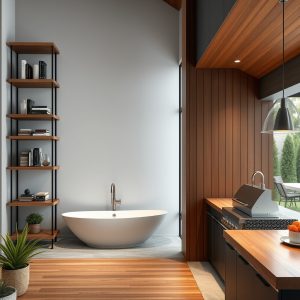
For instance, a wooden ceiling with visible knots and imperfections doesn’t just add visual interest—it connects the space to the natural world, reinforcing the principles of biophilic design. Similarly, textured plaster walls or stone cladding can evoke the rustic charm of heritage homes while still feeling fresh and contemporary. These surfaces don’t just occupy space; they engage the senses, creating an environment that feels alive and dynamic.
Mixed Wood Tones: A Symphony of Warmth
One of the most striking ways to introduce texture into modern heritage interiors is through the use of mixed wood tones. Gone are the days of matching every piece of furniture to a single wood finish. Today’s designers are embracing the beauty of contrast, layering light oak with rich walnut, or pairing weathered teak with sleek mahogany. This approach not only adds visual depth but also creates a sense of harmony that feels both intentional and organic.
The key to successfully mixing wood tones lies in balance. A room dominated by dark woods can feel heavy and oppressive, while one filled with light tones might lack warmth. The solution? Introduce a unifying element—a neutral rug, a textured throw, or even a statement piece of curved furniture—that ties the disparate tones together. This technique allows the natural beauty of each wood to shine while creating a cohesive, inviting space. It’s a celebration of diversity, both in material and in design philosophy.
Curved Furniture: Softening the Edges of Modernity
In a world where sharp lines and angular forms have long dominated contemporary design, curved furniture offers a refreshing departure. These pieces, with their gentle arcs and flowing silhouettes, bring a sense of softness and fluidity to modern heritage spaces. They’re not just aesthetically pleasing; they’re also deeply functional, encouraging movement and interaction within a room.
Curved sofas, rounded coffee tables, and arched shelving units create a sense of flow, guiding the eye and the body through a space with ease. They also serve as a counterpoint to the textured surfaces around them, adding a layer of contrast that enhances the overall design. When paired with mixed wood tones and earthy palettes, curved furniture can transform a room from a static environment into a dynamic, living space that feels both modern and timeless.
Earthy Palettes: The Foundation of Modern Heritage
No discussion of textured surfaces would be complete without addressing the role of color. Earthy palettes—think warm terracottas, muted olives, deep ochres, and soft clay tones—provide the perfect backdrop for textured materials to shine. These colors are inherently grounding, evoking the natural world and creating a sense of stability and calm. They also allow the textures within a space to take center stage, rather than competing with bold or bright hues.
In modern heritage design, earthy palettes are often used in conjunction with color drenching, a technique where a single hue is applied across multiple surfaces to create a cohesive, immersive experience. For example, a living room might feature terracotta walls, a matching sofa, and complementary textiles, all layered with textured wood, stone, and metal. The result is a space that feels both enveloping and expansive, where every element works in harmony to create a sense of warmth and depth.
Smart Functionality: The Invisible Layer
While texture and color are the most visible elements of modern heritage design, smart functionality is the invisible force that elevates these spaces from beautiful to brilliant. Hidden pantries, smart bidets, and thermostats that learn your preferences are no longer futuristic luxuries—they’re essential components of a well-designed home. These technologies don’t just add convenience; they enhance the way we live, allowing us to focus on what truly matters: comfort, connection, and creativity.
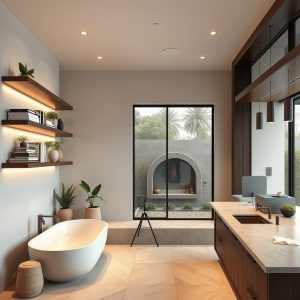
For example, a kitchen with textured stone countertops and mixed wood cabinetry can be further enhanced with smart zoning—areas designated for cooking, prep, and cleanup that flow seamlessly into one another. A spa-like bathroom with textured tile and aged metal fixtures might include a smart bidet with customizable settings, turning a daily routine into a moment of indulgence. These elements work together to create a home that is not only beautiful but also deeply functional, adapting to the needs of its inhabitants with ease.
Sustainable Materials: The Future of Textured Design
As we look to the future of modern heritage design, sustainability is no longer an afterthought—it’s a guiding principle. Textured surfaces made from reclaimed wood, recycled metals, and natural stone are not only environmentally responsible but also carry a sense of authenticity and history. These materials tell a story of resilience and renewal, adding depth and meaning to a space in ways that mass-produced alternatives simply cannot.
Consider the impact of a wooden ceiling crafted from reclaimed barn wood, its weathered surface bearing the marks of time. Or a kitchen island topped with recycled glass, its speckled texture catching the light in unexpected ways. These materials don’t just reduce our environmental footprint; they enrich our lives, connecting us to the past while paving the way for a more sustainable future. They remind us that beauty and responsibility are not mutually exclusive but can coexist in harmony.
The renaissance of textured surfaces in modern heritage design is more than a trend—it’s a movement toward spaces that engage the senses, nurture the soul, and adapt to the way we live. By embracing depth, warmth, and smart functionality, we’re not just designing homes; we’re crafting sanctuaries that reflect who we are and who we aspire to be. These spaces don’t just look beautiful; they feel alive, inviting us to slow down, touch, and connect with the world around us. In a time when life often feels fragmented and fast-paced, textured surfaces offer a reminder of the beauty that lies in the details, the stories that unfold in the layers, and the comfort that comes from a home that truly feels like ours.