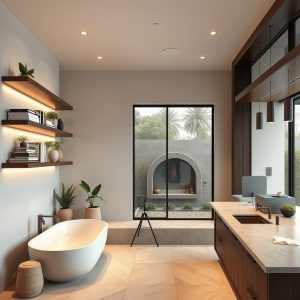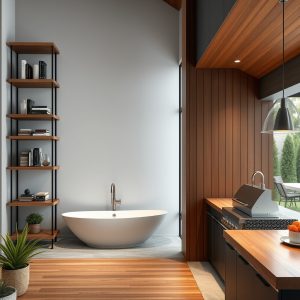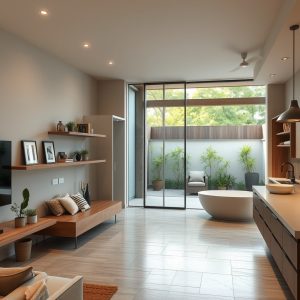
The Modern Home as a Sanctuary of Tactile Harmony: How Textured Surfaces, Hidden Pantries, and Warm Minimalism Craft a Home That Feels Like Home

There’s a quiet magic in a home that feels as good as it looks. It’s not just about aesthetics—though earthy palettes and aged metals certainly play their part—but about the way a space engages the senses. The modern home is evolving into a sanctuary of tactile harmony, where every surface, every material, and every thoughtful detail invites touch, comfort, and connection. This is the essence of contemporary living: a blend of modern heritage and intuitive design that makes a house feel like a home from the moment you step inside.
The Power of Textured Surfaces
Texture is the unsung hero of interior design. It’s what transforms a flat, lifeless room into a rich, layered experience. In modern heritage homes, textured surfaces—whether through woven textiles, hand-scraped wood, or artisanal plaster—add depth and warmth. A linen sofa against a backdrop of rough-hewn stone, or a velvet throw draped over a reclaimed wood bench, creates a visual and tactile contrast that feels both intentional and inviting. These elements don’t just decorate a space; they give it soul, making it feel lived-in and loved.
Textured surfaces also play a functional role. They absorb sound, soften acoustics, and even regulate temperature, making a room feel cozier in winter and cooler in summer. In a world where so much of our lives are spent in digital spaces, the physicality of texture grounds us, reminding us of the beauty of the tangible.
The Art of Hidden Pantries and Seamless Storage
Clutter is the enemy of calm, and modern heritage design has mastered the art of hiding it in plain sight. Hidden pantries, concealed cabinets, and built-in storage solutions are no longer just practical—they’re a design statement. A floor-to-ceiling pantry with a seamless, handleless door blends into the kitchen’s aesthetic, maintaining the clean lines of warm minimalism while offering ample storage. Similarly, a pull-out spice rack or a hidden wine cooler can be tucked into cabinetry, keeping countertops clear and the space feeling open and uncluttered.
These solutions aren’t just about hiding mess; they’re about creating a sense of order and tranquility. When everything has its place, the mind can relax. The modern home doesn’t just look serene—it feels serene, too.
Warm Minimalism: The Heart of Modern Heritage
Minimalism has long been associated with cold, sterile spaces, but warm minimalism flips the script. It’s about paring back to the essentials while infusing a space with warmth, personality, and intention. Think of a living room with a single, sculptural sofa in a rich, earthy tone, paired with a handwoven rug and a few carefully chosen decor pieces. There’s no excess, but there’s plenty of character.
Warm minimalism thrives on natural materials—wood, stone, linen, and clay—that bring a sense of authenticity and timelessness. It’s a design philosophy that values quality over quantity, creating spaces that feel both modern and deeply rooted in heritage. The result is a home that feels effortlessly elegant, where every piece has a purpose and a story.
Biophilic Design: Bringing the Outdoors In
No discussion of modern heritage would be complete without mentioning biophilic design. This approach seeks to reconnect us with nature by incorporating natural elements into the home. Wooden ceilings, indoor plants, and large windows that frame views of the outdoors are just a few ways to blur the line between inside and out. Even in urban spaces, biophilic design can thrive—think of a courtyard garden, a living wall, or a water feature that adds a soothing soundtrack to the home.
The benefits of biophilic design extend beyond aesthetics. Studies show that exposure to natural elements reduces stress, improves mood, and enhances creativity. In a world where we spend so much time indoors, bringing a touch of the outside in isn’t just a design choice—it’s a wellness strategy.
The Role of Aged Metals and Earthy Palettes
Aged metals—brass, copper, bronze—add a layer of sophistication to modern heritage homes. Unlike their shiny, modern counterparts, these metals have a patina that tells a story, evoking a sense of history and craftsmanship. A brass cabinet pull, a copper pendant light, or a bronze-framed mirror can elevate a space, adding warmth and character without overwhelming it.
Earthy palettes complement these metals beautifully. Think of deep terracotta, warm ochre, soft sage, and muted clay tones. These colors create a sense of grounding, making a space feel stable and serene. They also pair effortlessly with natural materials like wood and stone, reinforcing the connection to nature that is so central to modern heritage design.
Multi-Functional Rooms: The Future of Flexible Living
The modern home is no longer defined by rigid room labels. Instead, spaces are designed to adapt to our needs, whether that means a guest room that doubles as a home office, a dining area that transforms into a workspace, or a living room that accommodates both relaxation and entertainment. Multi-functional rooms are a hallmark of modern heritage design, reflecting the way we live today—fluid, dynamic, and ever-changing.
Furniture plays a key role in this flexibility. Modular sofas, extendable dining tables, and nesting side tables allow a room to evolve throughout the day. Hidden storage, like ottomans with built-in compartments or beds with drawers underneath, keeps clutter at bay while maximizing functionality. The goal is to create spaces that work as hard as we do, without sacrificing style or comfort.
In the end, the modern home is more than just a collection of beautiful objects and clever design choices. It’s a living, breathing space that adapts to our needs, engages our senses, and nurtures our well-being. Whether through the tactile allure of textured surfaces, the seamless functionality of hidden pantries, or the timeless warmth of aged metals, the modern heritage home is a testament to the idea that great design isn’t just seen—it’s felt. It’s the quiet hum of a space that feels just right, like a well-worn sweater or a favorite book: familiar, comforting, and impossible to resist.