The Modern Home as a Canvas of Connection: How Earthy Palettes, Curved Furniture, and Smart Zoning Foster Intimacy and Flow
In an era where homes are no longer just shelters but dynamic extensions of our identities, the interplay between design and emotion has never been more profound. The modern dwelling is a carefully curated space where every element—from the hues on the walls to the shape of the furniture—serves a purpose beyond aesthetics. It’s about crafting environments that don’t just look beautiful but feel alive, responsive, and deeply personal. This evolution in home design is rooted in a philosophy that marries the warmth of modern heritage with the fluidity of contemporary living, creating spaces that adapt, inspire, and connect.
The Power of Earthy Palettes: Grounding Spaces in Nature’s Embrace
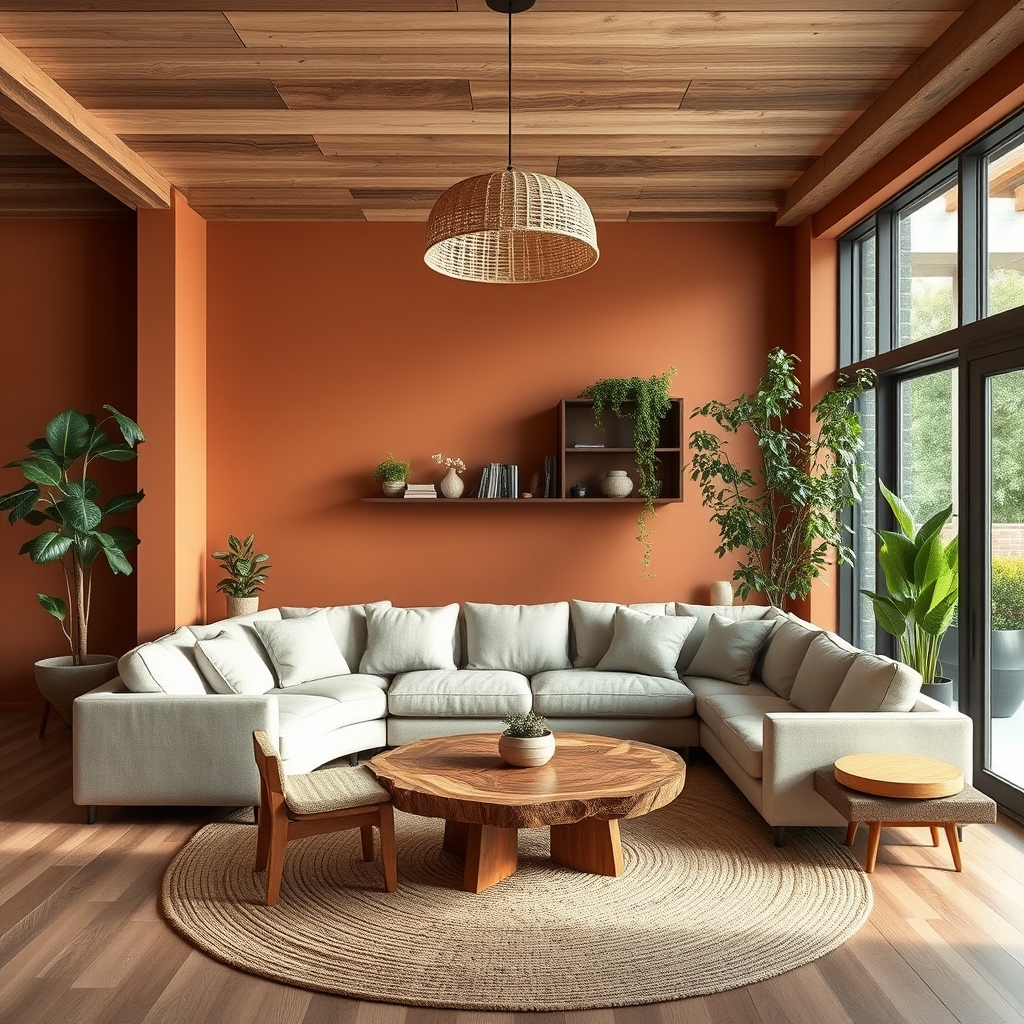
There’s a reason why earthy palettes have become the cornerstone of modern interior design. These tones—think warm terracottas, soft ochres, deep moss greens, and muted clay—are more than just colors; they’re an invitation to slow down and reconnect with the natural world. In a fast-paced, digitally saturated society, these hues offer a visual and emotional anchor, evoking a sense of calm and stability. They don’t just decorate a room; they transform it into a sanctuary.
What makes earthy palettes so versatile is their ability to blend seamlessly with other design elements. They serve as the perfect backdrop for mixed wood tones, allowing different grains and finishes to coexist harmoniously without overwhelming the space. Whether it’s a reclaimed oak dining table paired with walnut shelving or a light birch coffee table set against a backdrop of teak cabinetry, these combinations add depth and character. The key lies in balance—layering textures and tones in a way that feels intentional rather than chaotic. A room bathed in earthy hues becomes a canvas where every piece of furniture, every textile, and every decorative object tells a story.
The Fluidity of Curved Furniture: Softening the Edges of Modern Living
Gone are the days when sharp lines and rigid geometries dominated interior design. Today, curved furniture is having a moment, and for good reason. These organic shapes—found in everything from sofas and armchairs to coffee tables and shelving—bring a sense of softness and movement to spaces. They break the monotony of straight lines, creating a visual rhythm that feels more in tune with the natural world. Curves invite touch, encourage relaxation, and foster a sense of intimacy, making them ideal for spaces where connection is key.
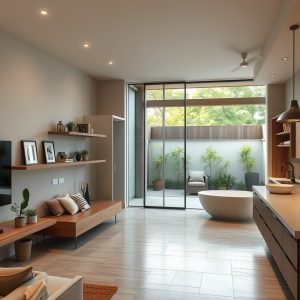
In open-concept living areas, curved furniture plays a pivotal role in defining zones without the need for walls or dividers. A rounded sectional can anchor a living room, while a circular dining table encourages conversation and togetherness. Even in smaller spaces, curved pieces can make a room feel more expansive by guiding the eye along their gentle arcs. When paired with earthy palettes, these shapes create a harmonious blend of warmth and fluidity, turning a house into a home that feels both stylish and welcoming.
Smart Zoning: The Art of Defining Space Without Walls
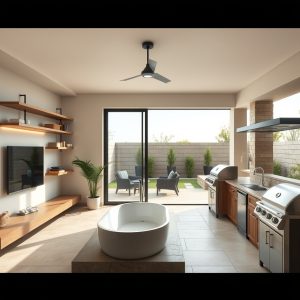
The evolution of open-concept living has been one of the most significant shifts in modern home design. What began as a trend has now become a staple, reflecting a desire for spaces that are flexible, functional, and free-flowing. However, the challenge with open layouts lies in creating distinct zones without sacrificing the sense of spaciousness. This is where smart zoning comes into play—a design strategy that uses furniture, lighting, and materials to delineate areas while maintaining a cohesive aesthetic.
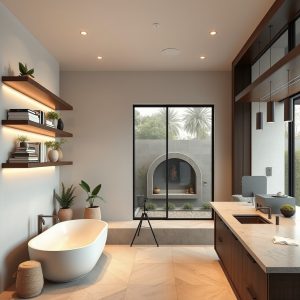
One of the most effective ways to zone a space is through the strategic placement of furniture. For example, a floating shelf unit can act as a subtle divider between a living area and a dining space, providing both storage and visual separation. Similarly, a console table or a low bookshelf can create a boundary without closing off the room. Lighting also plays a crucial role in zoning. Pendant lights over a kitchen island, a floor lamp beside a reading nook, or recessed lighting in a hallway can all help define different areas while enhancing the overall ambiance.
Materials and textures are another powerful tool in smart zoning. A change in flooring—such as transitioning from hardwood to tile—can signal a shift from a living area to a kitchen. Similarly, a textured surface like a jute rug or a woven wall hanging can add visual interest while subtly marking a new zone. The goal is to create a space that feels intentional and layered, where each area serves a purpose without feeling isolated.
Biophilic Design: Bringing the Outdoors In
At the heart of modern home design is a growing appreciation for biophilic design—the practice of incorporating natural elements into interiors to foster a deeper connection with the environment. This approach goes beyond simply adding plants to a room (though greenery is certainly a key component). It’s about integrating natural materials, patterns, and processes into the design to create spaces that nourish the soul.
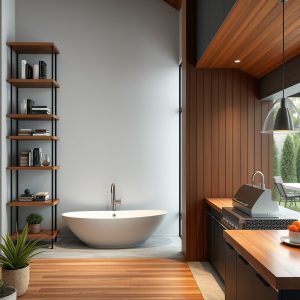
Wooden ceilings, for instance, are making a comeback as a way to add warmth and texture to a space. Whether it’s exposed beams, tongue-and-groove paneling, or reclaimed wood planks, a wooden ceiling can transform a room, making it feel cozier and more grounded. Similarly, sustainable materials like bamboo, cork, and linen are being used in everything from flooring to furniture, adding an eco-conscious touch to modern interiors.
Natural light is another critical element of biophilic design. Large windows, skylights, and glass doors not only flood a space with sunlight but also create a visual connection to the outdoors. When combined with earthy palettes and organic shapes, these elements blur the line between inside and outside, making the home feel like a seamless extension of nature.
The Role of Technology: Enhancing Comfort Without Compromising Style
While the focus on natural materials and organic forms is central to modern heritage design, technology also plays a crucial role in shaping the homes of today. Smart bidets, for example, are no longer a luxury but a standard in many households, offering a level of hygiene and comfort that aligns with the growing emphasis on wellness. Similarly, smart thermostats allow homeowners to create the perfect climate with minimal effort, ensuring that spaces are always comfortable and energy-efficient.
Even in the kitchen, technology is being seamlessly integrated into the design. Hidden pantries with motorized shelves, touchless faucets, and induction cooktops are just a few examples of how innovation is enhancing functionality without detracting from the aesthetic. The key is to choose technology that complements the design rather than competes with it—think sleek, minimalist controls that blend into the background rather than stand out as gadgets.
Crafting a Home That Moves With You
The true beauty of modern home design lies in its ability to adapt to the ever-changing needs of its inhabitants. Whether it’s a growing family, a shift to remote work, or simply the desire for a more mindful way of living, today’s homes are designed to evolve. Multi-functional rooms, for instance, are no longer just a trend but a necessity. A guest room that doubles as a home office, a dining area that transforms into a workspace, or a living room that accommodates both relaxation and entertainment—these are the spaces that define modern living.
At the heart of this adaptability is a commitment to warm minimalism—a design philosophy that embraces simplicity without sacrificing warmth. It’s about stripping away the unnecessary to create spaces that feel open, airy, and uncluttered, yet still inviting. This approach is particularly effective in smaller homes, where every square foot must be maximized. By focusing on quality over quantity, warm minimalism allows homeowners to create spaces that are both functional and beautiful.
The modern home is more than just a collection of rooms; it’s a living, breathing entity that reflects the values, aspirations, and personalities of those who inhabit it. It’s a space where earthy palettes ground the soul, curved furniture softens the edges of daily life, and smart zoning creates a flow that feels effortless and intuitive. It’s a place where technology enhances comfort without compromising style, and where natural elements foster a sense of connection to the world outside. In this ever-evolving landscape of design, the home is not just a backdrop to life but an active participant in it, shaping experiences, memories, and emotions in ways that are as unique as the people who live there. And perhaps that’s the most beautiful thing about modern living—it’s not just about the space you create, but the life you live within it.