The Invisible Threads: How Green Infrastructure and Walkable Design Are Stitching Communities Together
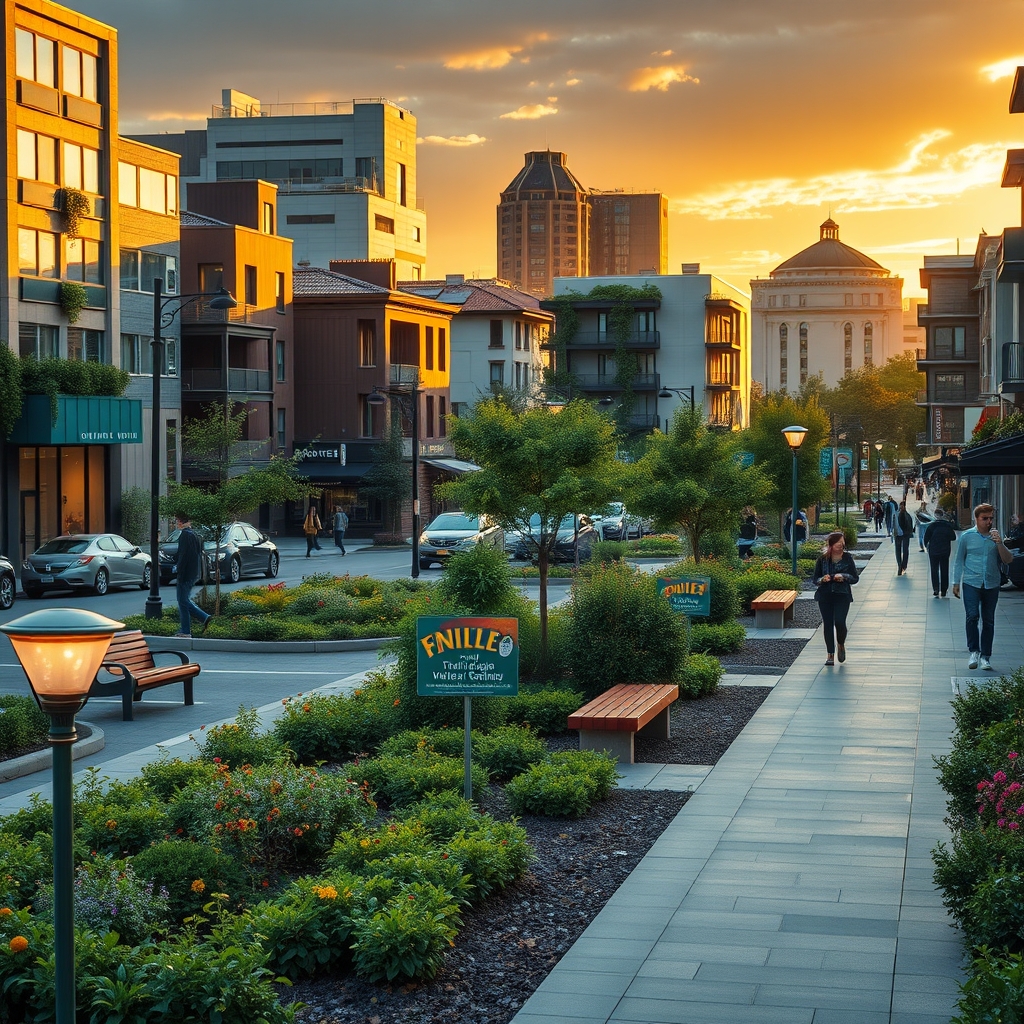
Cities are no longer just concrete jungles; they are evolving into living, breathing ecosystems where every street, park, and building plays a role in fostering sustainability and community. At the heart of this transformation lies green infrastructure—a network of natural and semi-natural systems designed to deliver environmental, social, and economic benefits. When combined with walkable urban design, these elements weave an invisible thread that connects people to their surroundings, to each other, and to the planet.
The Foundation: Permeable Pavement and Eco-Friendly Drainage
Traditional asphalt and concrete surfaces contribute to urban flooding by preventing rainwater from seeping into the ground. Permeable pavement, however, acts like a sponge, allowing water to filter through and replenish groundwater supplies. This innovation not only reduces the risk of flooding but also helps mitigate the urban heat island effect by cooling surfaces naturally. When paired with eco-friendly drainage systems—such as bioswales and infiltration basins—cities can manage stormwater more sustainably, turning a once-overlooked challenge into an opportunity for resilience.
Rain Gardens: Nature’s Water Filters
Rain gardens are another critical component of green infrastructure, designed to capture and filter rainwater runoff from roofs, driveways, and streets. These shallow depressions, planted with native vegetation, act as natural water purifiers, removing pollutants before they enter local waterways. Beyond their functional benefits, rain gardens add beauty to urban landscapes, providing habitats for pollinators and birds while offering a serene escape for city dwellers. Their strategic placement along sidewalks, parking lots, and public spaces transforms mundane areas into vibrant, eco-conscious hubs.
Walkable Neighborhoods: Designing for People, Not Cars
The shift toward walkable neighborhoods is redefining urban mobility. By prioritizing pedestrian-friendly streets, mixed-use developments, and accessible public transit, cities are reducing car dependency and fostering healthier, more connected communities. Walkability isn’t just about sidewalks—it’s about creating environments where people feel safe, engaged, and inspired to explore on foot. This approach not only cuts carbon emissions but also strengthens local economies by encouraging foot traffic to small businesses.
Traffic Calming Zones: Slowing Down for Safety and Serenity
Traffic calming measures, such as speed bumps, curb extensions, and chicanes, are essential tools in designing walkable neighborhoods. These interventions slow down vehicles, making streets safer for pedestrians and cyclists while reducing noise and air pollution. When combined with greenery—like street trees and planters—traffic calming zones enhance the aesthetic appeal of urban spaces, turning them into inviting corridors for social interaction. The result is a city that breathes, where movement is fluid, and where people take precedence over vehicles.
Community Pocket Parks: Small Spaces, Big Impact
In densely populated urban areas, space is a precious commodity. Community pocket parks—small, accessible green spaces tucked into neighborhoods—offer a solution. These miniature oases provide residents with a place to relax, socialize, and connect with nature without having to travel far. Equipped with seating, native plants, and sometimes even urban foraging zones, pocket parks foster a sense of ownership and pride among locals. They prove that even the smallest interventions can have a profound impact on quality of life.
Urban Foraging Zones: Reconnecting with Food Sources
Urban foraging zones are a growing trend that blurs the line between nature and city living. By planting edible landscapes—such as fruit trees, berry bushes, and herb gardens—in public spaces, cities are making fresh, local food accessible to all. These zones not only promote food security but also encourage residents to engage with their environment in a meaningful way. Imagine plucking a ripe apple from a tree on your way home or harvesting fresh mint for tea—urban foraging turns everyday spaces into sources of nourishment and discovery.
Smart Street Lighting and Solar-Powered Commons
Lighting plays a crucial role in urban safety and energy efficiency. Smart street lighting, equipped with motion sensors and LED technology, adjusts brightness based on activity, reducing energy consumption and light pollution. Meanwhile, solar-powered commons—public spaces powered by renewable energy—demonstrate how cities can harness the sun’s power to create self-sustaining hubs. From solar benches with USB charging ports to community centers running on clean energy, these innovations are paving the way for a brighter, greener future.
Decentralized Energy Grids: Empowering Communities
Decentralized energy grids are revolutionizing how cities manage power. By distributing energy generation across multiple small-scale sources—such as rooftop solar panels and micro-wind turbines—communities become less reliant on centralized power plants. This not only enhances energy resilience but also empowers residents to take control of their energy consumption. When combined with smart technology, decentralized grids can optimize energy use, reduce costs, and lower carbon footprints, making sustainability a collective effort.
As cities continue to grow, the integration of green infrastructure and walkable design will be key to creating spaces that are not only sustainable but also deeply human. These invisible threads—whether they’re permeable pavements, rain gardens, or community pocket parks—are stitching together a new urban fabric, one where nature and people coexist harmoniously. The future of urban living isn’t just about buildings and roads; it’s about the connections we forge with our environment and with each other, one step at a time.