The Fluidity of Modern Living: How Curved Furniture, Earthy Palettes, and Kitchen Zoning Are Crafting Dynamic Spaces

The modern home is no longer a static entity defined by rigid walls and fixed functions. Instead, it has evolved into a living, breathing space that adapts to the rhythms of daily life, blending aesthetics with practicality in ways that feel both intuitive and inspiring. At the heart of this transformation lies a thoughtful fusion of design elements—curved furniture that softens the geometry of a room, earthy palettes that ground the space in nature, and kitchen zoning that reimagines functionality without sacrificing style. Together, these trends are redefining what it means to live in a home that is as dynamic as the people who inhabit it.
The Allure of Curved Furniture: Softening the Edges of Modernity
In a world where sharp lines and angular forms have long dominated contemporary design, curved furniture is emerging as a breath of fresh air. These sinuous shapes—whether in the form of a plush, rounded sofa, an arched bookshelf, or a sculptural coffee table—introduce a sense of fluidity and movement into a space. They break the monotony of straight edges, creating a visual rhythm that feels organic and inviting.
Beyond aesthetics, curved furniture also enhances the way we interact with our surroundings. A rounded dining table, for instance, fosters conversation by bringing people closer together, while a gently curved bench in an entryway invites lingering rather than a hurried passage. This trend is not about abandoning structure but rather about reimagining it—softening the hard lines of modern design to create spaces that feel more human, more alive.
Earthy Palettes: The Foundation of Serene Living
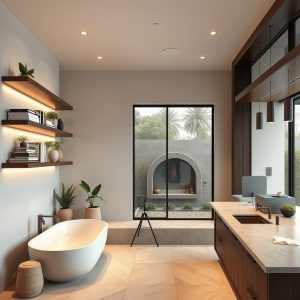
Colour has the power to shape our emotions, and in modern interiors, earthy palettes are becoming the cornerstone of spaces that feel both calming and deeply connected to the natural world. Think warm terracottas, muted ochres, soft moss greens, and deep clay browns—hues that evoke the tranquility of a forest floor or the richness of sun-baked landscapes. These tones do more than just decorate; they create an atmosphere of balance and harmony, making a home feel like a sanctuary.
The beauty of earthy palettes lies in their versatility. They serve as a neutral backdrop that allows other design elements—like textured surfaces or mixed wood tones—to take center stage, while also lending themselves to bolder expressions like colour drenching. When used thoughtfully, these tones can make a space feel expansive or cozy, depending on the desired effect. They are the quiet force behind interiors that feel both timeless and effortlessly modern.
The Art of Kitchen Zoning: Functionality Meets Elegance
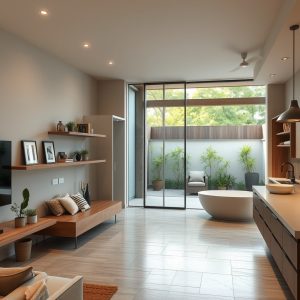
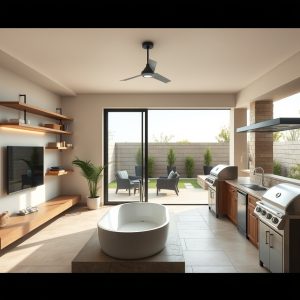
As open-concept living continues to evolve, so too does the way we approach kitchen design. Gone are the days of the kitchen as a single, utilitarian space. Instead, modern kitchens are being reimagined through the concept of zoning—dividing the area into distinct yet interconnected sections that cater to different activities, from cooking and dining to socializing and working.
Kitchen zoning is about more than just efficiency; it’s about creating a space that adapts to the way we live today. A well-designed zone might include a dedicated prep area with ample counter space, a cozy nook for casual meals, or even a built-in desk for those who work from home. The key is to ensure that each zone flows seamlessly into the next, maintaining the open feel of the space while adding layers of functionality.
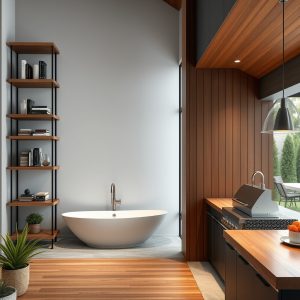
Materials play a crucial role in defining these zones. Earthy palettes can be used to differentiate areas—perhaps a warm wood island for dining contrasts with sleek, dark countertops for food preparation. Meanwhile, aged metals in hardware or lighting fixtures add a touch of sophistication, tying the entire space together with a sense of cohesion and purpose.
Blending Trends for a Cohesive Vision
The magic of modern design lies in the way these trends intersect. Curved furniture, for example, pairs beautifully with earthy palettes, as the soft lines of a rounded sofa or chair are accentuated by the natural tones of the surrounding space. Similarly, kitchen zoning can be enhanced by the use of mixed wood tones, which add depth and warmth to each distinct area without disrupting the overall flow.
Another layer to consider is the integration of biophilic design elements, such as wooden ceilings or textured surfaces, which further connect the indoors with the natural world. These touches not only elevate the aesthetic but also contribute to a sense of well-being, making the home a place of refuge and rejuvenation.
The Role of Technology in Modern Living
No discussion of contemporary design would be complete without acknowledging the role of technology. Smart bidets, thermostats, and lighting systems are no longer novelties but essential components of a modern home. When integrated thoughtfully, these innovations enhance the functionality of a space without detracting from its aesthetic appeal. A smart thermostat, for instance, can be discreetly placed to blend with the earthy tones of a room, while a hidden pantry equipped with modern conveniences can maintain the clean lines of a kitchen zone.
These spaces are not just about looking good; they are about feeling good. They adapt to our needs, reflect our values, and evolve with us over time. Whether it’s the gentle curve of a chair that invites relaxation, the warm embrace of an earthy palette, or the intuitive flow of a well-zoned kitchen, modern living is about creating environments that are as dynamic and multifaceted as the lives we lead. In this way, the home becomes more than just a place to live—it becomes a living, breathing extension of who we are.