Embracing Earthy Palettes and Biophilic Design: A Guide to Harmonious Living Spaces

In the ever-evolving world of interior design, the shift towards creating spaces that foster well-being and connection with nature has never been more pronounced. Earthy palettes and biophilic design principles are at the forefront of this movement, offering a sanctuary from the fast-paced, technology-driven world we inhabit. These elements not only enhance the aesthetic appeal of a home but also promote a sense of tranquility and balance.
The Rise of Earthy Palettes
Earthy palettes have surged in popularity, moving away from the stark whites and cool grays that dominated design trends in recent years. These palettes draw inspiration from nature, incorporating hues like warm terracotta, soft sage, deep ochre, and muted clay. The result is a space that feels grounded, inviting, and inherently soothing. Unlike the cold and impersonal feel of some modern interiors, earthy tones create a warm and welcoming atmosphere that encourages relaxation and mindfulness.
One of the key advantages of earthy palettes is their versatility. They can be seamlessly integrated into various design styles, from rustic and bohemian to modern and minimalist. For instance, pairing warm wood tones with soft, muted greens can evoke a sense of being in a serene forest, while deep browns and beiges can create a cozy, cocoon-like environment. The adaptability of these colors makes them a favorite among designers looking to craft spaces that feel both timeless and contemporary.
Incorporating Mixed Wood Tones
A natural extension of earthy palettes is the use of mixed wood tones. This trend celebrates the beauty of natural wood in all its forms, from light oak to rich walnut. The key to successfully blending different wood tones lies in balancing contrast and harmony. Too many similar tones can make a space feel flat, while too much contrast can create visual chaos. The solution is to choose a dominant wood tone and complement it with one or two secondary tones that share a similar undertone, such as warm or cool hues.
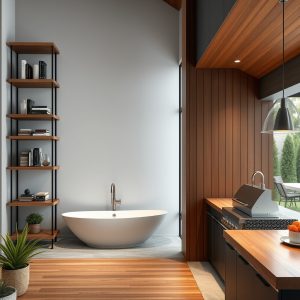
Mixed wood tones can be introduced through furniture, flooring, and even architectural elements like wooden ceilings or beams. For example, a living room might feature a light oak coffee table paired with a walnut media console and a reclaimed wood accent wall. This layering of textures and tones adds depth and character to a space, making it feel lived-in and authentic. Additionally, wood brings a tactile quality that enhances the biophilic experience, connecting occupants to the natural world.
The Principles of Biophilic Design
Biophilic design is more than just a trend; it’s a philosophy that seeks to integrate nature into the built environment. The term “biophilia” refers to the innate human connection to nature, and biophilic design leverages this connection to improve mental and physical well-being. This approach goes beyond simply adding plants to a space; it encompasses a holistic integration of natural elements, patterns, and processes.
One of the foundational principles of biophilic design is the use of natural materials. Wood, stone, bamboo, and cork are just a few examples of materials that can bring the outdoors in. These materials not only add visual interest but also contribute to a healthier indoor environment by improving air quality and reducing toxins. For instance, wooden ceilings can add warmth and texture to a room, while stone countertops in a kitchen or bathroom can create a sense of solidity and permanence.
Bringing Nature Indoors with Textured Surfaces
Textured surfaces play a crucial role in biophilic design by mimicking the tactile qualities of nature. From rough-hewn stone to smooth river rocks, textures can evoke the sensory experiences of being outdoors. In interior design, this might translate to using materials like linen, jute, or wool for textiles, or incorporating wall treatments like grasscloth or textured plaster. These elements add depth and dimension to a space, making it feel more dynamic and engaging.
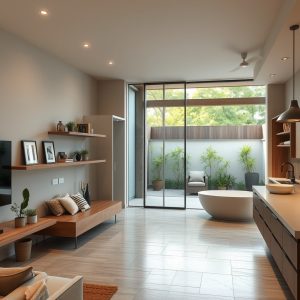
Another way to introduce texture is through the use of organic shapes and forms. Curved furniture, for example, can soften the hard lines of a room and create a more fluid, natural flow. A curved sofa or a round dining table can make a space feel more inviting and less rigid. Similarly, floating shelves with irregular edges or asymmetrical arrangements can add a touch of whimsy and spontaneity, much like the unpredictable patterns found in nature.
Creating Spa-Like Bathrooms with Aged Metals and Smart Bidets
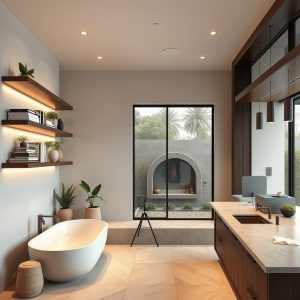
The bathroom is one area of the home where biophilic design and earthy palettes can truly shine. Transforming a bathroom into a spa-like retreat involves more than just adding a few plants; it requires a thoughtful approach to materials, lighting, and fixtures. Earthy tones like soft greens, warm beiges, and deep blues can create a calming atmosphere, while natural materials like wood and stone add texture and warmth.
Aged metals, such as brass, copper, and bronze, are a popular choice for bathroom fixtures and hardware. These metals develop a patina over time, adding character and depth to a space. Unlike polished chrome or stainless steel, aged metals have a softer, more organic feel that complements earthy palettes and biophilic design. Pairing aged metal fixtures with smart bidets can elevate the bathroom experience even further. Smart bidets offer a range of features, from adjustable water temperature to air drying, making them a luxurious and eco-friendly addition to any bathroom.
Sustainable Materials for a Greener Home
Sustainability is a core tenet of both earthy palettes and biophilic design. As awareness of environmental issues grows, more homeowners are seeking ways to reduce their carbon footprint and create healthier living spaces. Sustainable materials, such as reclaimed wood, bamboo, and recycled metal, are not only eco-friendly but also add a unique story to a home. For example, reclaimed wood can be used for flooring, furniture, or accent walls, bringing a sense of history and authenticity to a space.
In addition to materials, sustainable design also involves considering the lifecycle of products. Opting for high-quality, durable items that will stand the test of time is a key aspect of creating a sustainable home. This approach not only reduces waste but also ensures that a space remains functional and beautiful for years to come. For instance, investing in a well-crafted wooden dining table or a stone countertop may have a higher upfront cost, but the longevity of these pieces makes them a worthwhile investment.
As we continue to navigate the complexities of modern life, the desire for spaces that nurture our well-being and connect us to nature becomes increasingly important. Earthy palettes and biophilic design offer a pathway to creating homes that are not only visually stunning but also emotionally resonant. By embracing natural materials, textures, and colors, we can craft environments that soothe the soul and inspire the mind, making every day feel like a retreat into the heart of nature.