The Rhythm of Urban Flow: How Cul-De-Sac Optimization and Pedestrian-First Arteries Are Redefining Movement in Cities
The modern city is no longer just a collection of buildings and roads—it is a living organism, pulsing with movement, interaction, and energy. Yet, for decades, urban planning prioritized vehicles over people, creating sprawling networks of asphalt that fragmented communities and stifled vibrancy. Today, a quiet revolution is underway, one that reimagines how we move through and inhabit urban spaces. At the heart of this transformation lies the interplay between cul-de-sac optimization and pedestrian-first arteries, two seemingly opposing concepts that, when harmonized, can create cities that breathe, connect, and thrive.
The Cul-De-Sac Paradox: From Isolation to Integration
Cul-de-sacs have long been a staple of suburban design, celebrated for their tranquility and perceived safety. By limiting through traffic, they create pockets of calm, reducing noise and the risk of accidents. However, their critics argue that they contribute to urban sprawl, increase car dependency, and isolate residents from the broader community. The truth, as with most things in urban design, is more nuanced. The key lies not in abandoning cul-de-sacs but in optimizing their role within a larger, more connected framework.
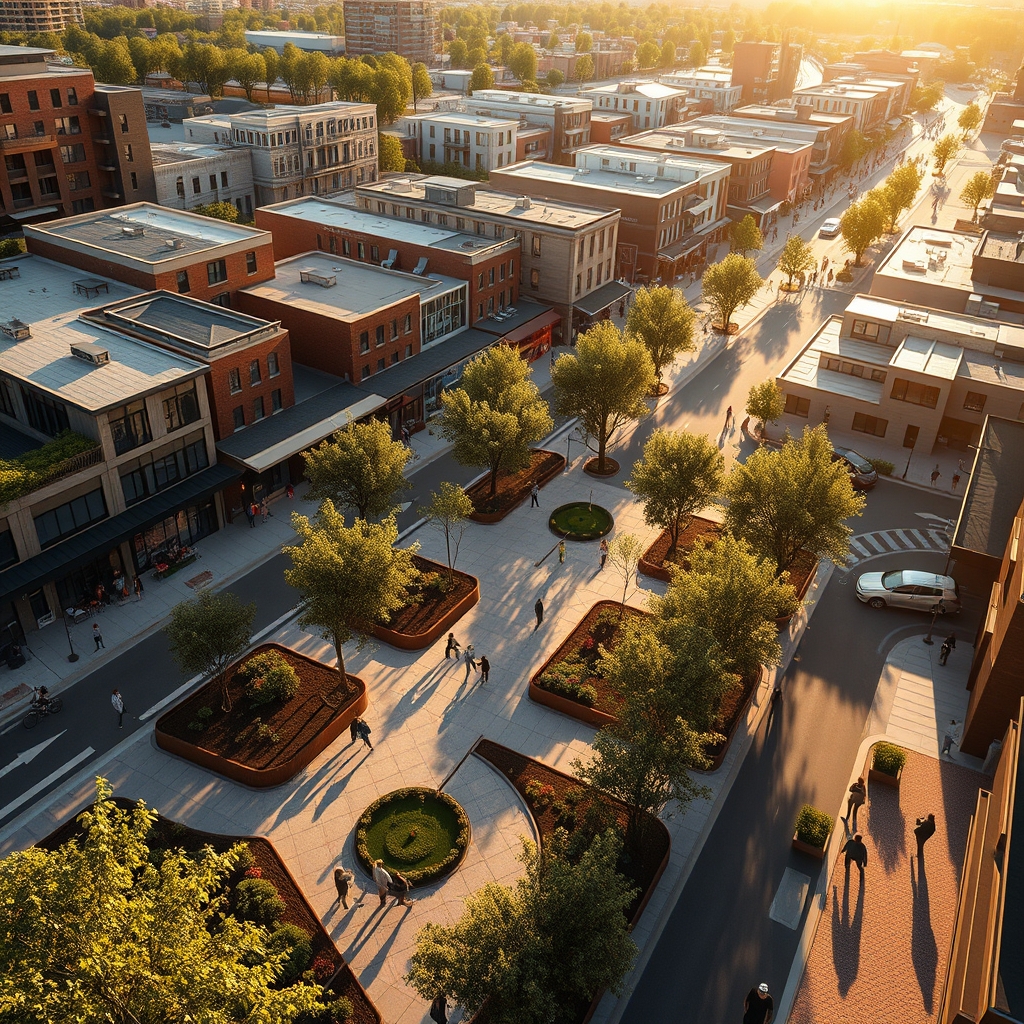
Innovative planners are now rethinking cul-de-sacs as micro-hubs rather than dead ends. By integrating them with pedestrian pathways, bike lanes, and green corridors, these once-isolated spaces can become gateways to larger networks. For example, a cul-de-sac designed with a shared courtyard at its terminus can double as a communal gathering space, fostering neighborly interactions while still maintaining its traffic-calming benefits. When linked to a linear green ribbon or a sustainable drainage corridor, these spaces can also contribute to ecological resilience, turning stormwater management into an opportunity for urban beauty.
Pedestrian-First Arteries: The Lifelines of Urban Vitality
If cul-de-sacs are the quiet notes in the urban symphony, then pedestrian-first arteries are the bold, sweeping melodies that define its rhythm. These are not just sidewalks or crosswalks but dedicated, multi-functional corridors designed to prioritize people over vehicles. They are the streets where commerce, culture, and community intersect, where a morning coffee run becomes an opportunity to bump into a neighbor, and where a child’s walk to school is safe, enjoyable, and free from the threat of speeding cars.
The most successful pedestrian-first arteries share a few key characteristics. First, they are narrow and human-scaled, discouraging high-speed traffic and encouraging drivers to slow down. Second, they are lined with mixed-use buildings, where ground-floor shops, cafes, and services spill onto the sidewalk, creating a lively, engaging streetscape. Third, they incorporate green infrastructure, such as tree canopies, rain gardens, and bioswales, which not only enhance aesthetics but also improve air quality and manage stormwater. Cities like Copenhagen and Melbourne have demonstrated how these arteries can transform urban life, turning streets into destinations rather than mere thoroughfares.
Bridging the Gap: Where Cul-De-Sacs and Arteries Meet
The magic happens when cul-de-sac optimization and pedestrian-first arteries are designed to complement each other. Imagine a neighborhood where a network of cul-de-sacs feeds into a central pedestrian artery, creating a seamless transition from private tranquility to public vibrancy. This approach addresses one of the biggest challenges in urban planning: balancing the need for privacy and community without sacrificing connectivity.
One effective strategy is the use of buffer zone landscaping to soften the transition between these spaces. A row of native trees, a landscaped berm, or a community garden can act as a visual and psychological buffer, signaling to residents that they are moving from a private enclave into a shared space. This not only enhances safety but also fosters a sense of ownership and pride in the neighborhood’s public realm.
The Role of Density and Diversity
For this model to work, density must be carefully calibrated. Low-density zoning can lead to sprawl, making it difficult to sustain vibrant pedestrian arteries, while high-density cluster living can overwhelm cul-de-sacs, turning them into congested bottlenecks. The solution lies in micro-district planning, where density is concentrated along pedestrian arteries while cul-de-sacs and other low-traffic areas provide breathing room. This creates a hierarchy of movement, where cars, bikes, and pedestrians each have their place, reducing conflicts and enhancing safety.
Diversity of use is equally important. A pedestrian artery lined with nothing but residential buildings will feel lifeless outside of peak hours. By incorporating mixed-use zoning, planners can ensure that these spaces remain active throughout the day. A morning yoga studio, a midday café, and an evening wine bar can coexist, creating a dynamic rhythm that keeps the street alive from dawn to dusk.
Security Without Seclusion: Rethinking Gated Communities
The desire for security is a fundamental human need, but traditional gated community security models often come at a cost: isolation, reduced walkability, and a fortress-like mentality that erodes the sense of community. The challenge for modern planners is to provide security without sacrificing connectivity. One promising approach is the perimeter block design, where a continuous street wall of buildings creates a natural barrier to through traffic while maintaining visual and physical permeability.
Another strategy is to design cul-de-sacs and pedestrian arteries with shared space courtyards that double as secure gathering areas. These spaces can be semi-private, accessible only to residents and their guests, yet still integrated into the larger urban fabric. By blurring the line between public and private, these designs foster a sense of community while maintaining a layer of security. In cities like Barcelona, this approach has been used to create intimate, safe spaces that feel like an extension of the home.
The future of urban movement is not about choosing between cars and pedestrians, or between privacy and community. It is about designing spaces that accommodate both, where the quiet intimacy of a cul-de-sac can coexist with the vibrant energy of a pedestrian artery. It is about creating cities that are not just efficient but also joyful, where every journey—whether a walk to the corner store or a drive to work—feels like a meaningful part of the urban experience. When we get this balance right, we don’t just build better cities; we create places where life can unfold in all its richness and complexity, one step, one street, one neighborhood at a time.