The Harmony of Modern Heritage: How Textured Surfaces and Kitchen Zoning Are Redefining Home Aesthetics
In the ever-evolving landscape of home design, the fusion of modern heritage with contemporary innovation continues to captivate homeowners and designers alike. This year, the conversation has shifted toward a deeper appreciation of tactile experiences and intentional spatial organization. At the heart of this movement lies the artful interplay of textured surfaces and kitchen zoning—two trends that are redefining how we perceive and interact with our living spaces.
The Resurgence of Textured Surfaces
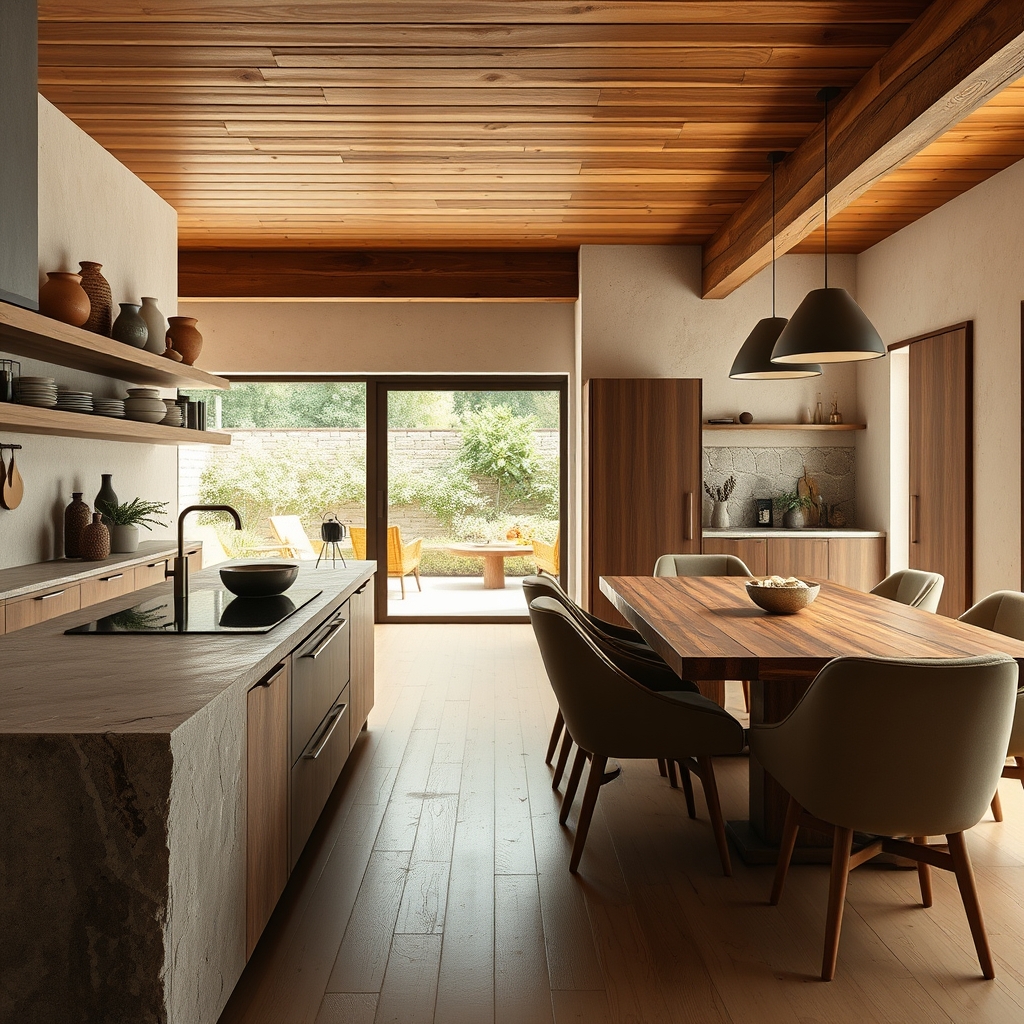
Gone are the days when smooth, flawless finishes dominated interior design. Today, homeowners are embracing the depth and character that textured surfaces bring to a space. From hand-scraped hardwood floors to rough-hewn stone countertops, these elements add a layer of authenticity that resonates with the principles of modern heritage. The tactile quality of these materials invites touch, creating a sensory experience that goes beyond visual appeal.
Textured surfaces are not limited to flooring and countertops. Walls adorned with limewash plaster, reclaimed wood paneling, or even three-dimensional tiles are becoming increasingly popular. These finishes not only add visual interest but also contribute to the acoustic and thermal comfort of a room. In a world where digital interactions often overshadow physical ones, textured surfaces serve as a gentle reminder of the beauty found in imperfection and craftsmanship.
Balancing Texture with Warm Minimalism
While texture adds richness to a space, it must be balanced with a sense of restraint to avoid overwhelming the senses. This is where warm minimalism comes into play. Characterized by a neutral color palette, clean lines, and a focus on functionality, warm minimalism provides the perfect backdrop for textured surfaces to shine. The key is to select a few standout elements—such as a statement stone fireplace or a woven jute rug—and allow them to take center stage while keeping the rest of the space understated.
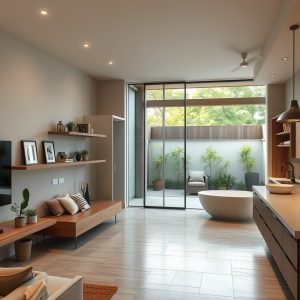
This approach is particularly effective in open-concept living areas, where multiple functions coexist. By layering textures thoughtfully, you can create distinct zones within a single space without the need for physical barriers. For example, a textured wooden ceiling can define the living area, while a smooth, matte-finish island anchors the kitchen. The result is a harmonious blend of old and new, where modern heritage is celebrated without sacrificing contemporary comfort.
The Art of Kitchen Zoning
As the heart of the home, the kitchen has evolved far beyond its traditional role as a place for meal preparation. Today, it serves as a hub for socializing, working, and even relaxing. This shift has given rise to the concept of kitchen zoning—a design strategy that divides the space into distinct areas based on function. By creating dedicated zones for cooking, dining, storage, and entertainment, homeowners can maximize efficiency and enhance the overall flow of the space.
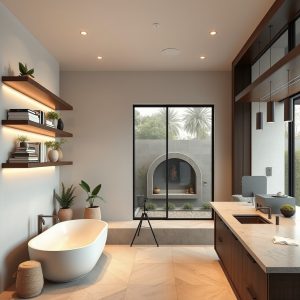
One of the most effective ways to implement kitchen zoning is through the use of floating shelves and hidden pantries. Floating shelves not only provide additional storage but also serve as a display area for decorative items, reinforcing the home’s modern heritage aesthetic. Hidden pantries, on the other hand, offer a seamless way to keep clutter at bay while maintaining easy access to essentials. When combined with smart storage solutions, such as pull-out drawers and built-in organizers, these features transform the kitchen into a highly functional yet visually appealing space.
Integrating Smart Technology
No discussion of modern kitchen design would be complete without mentioning the role of smart technology. From smart thermostats that regulate temperature to smart bidets that enhance bathroom hygiene, technology is seamlessly integrating into our homes. In the kitchen, smart appliances like induction cooktops, touchless faucets, and voice-activated lighting are becoming standard features. These innovations not only improve efficiency but also contribute to the overall aesthetic by reducing visual clutter.
For example, a smart refrigerator with a built-in touchscreen can double as a family command center, displaying recipes, calendars, and even streaming music. Similarly, a hidden charging station for devices can be incorporated into a kitchen island, keeping countertops free of cords and cables. By thoughtfully integrating technology, homeowners can create a kitchen that is as intelligent as it is beautiful.
Bringing the Outdoors In
Another trend that complements textured surfaces and kitchen zoning is biophilic design—the practice of incorporating natural elements into interior spaces. This approach not only enhances the aesthetic appeal of a home but also promotes well-being by fostering a connection to nature. Earthy palettes, wooden ceilings, and aged metals are just a few examples of how biophilic design can be integrated into modern heritage interiors.
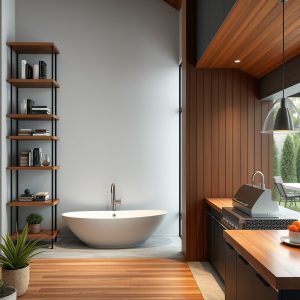
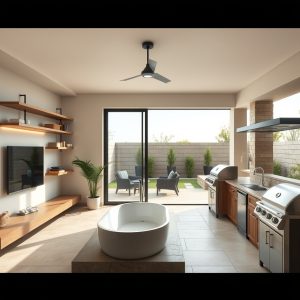
Outdoor kitchens are another manifestation of this trend, blurring the lines between indoor and outdoor living. Whether it’s a fully equipped cooking area on a patio or a simple grill station on a balcony, outdoor kitchens extend the functionality of the home while allowing residents to enjoy fresh air and natural light. When designed with sustainable materials like reclaimed wood and stone, these spaces embody the principles of modern heritage, creating a seamless transition between the built environment and the natural world.
The beauty of modern heritage design lies in its ability to evolve while staying rooted in timeless principles. By embracing textured surfaces, kitchen zoning, and biophilic elements, homeowners can create spaces that are not only visually stunning but also deeply functional. These trends remind us that the best homes are those that reflect our values—whether it’s a commitment to sustainability, a love for craftsmanship, or a desire for connection. As we continue to redefine what it means to live well, the fusion of old and new will remain at the forefront of design innovation, offering endless possibilities for those willing to explore them.