The New Wave of Home Design: How Multi-Functional Rooms and Sustainable Materials Are Shaping Modern Living

The evolution of home design has always been a reflection of societal shifts, technological advancements, and a growing awareness of environmental responsibility. Today, the conversation around modern living spaces is dominated by two powerful trends: the rise of multi-functional rooms and the embrace of sustainable materials. These elements are not just fleeting fads but foundational pillars that are redefining how we interact with our homes, blending practicality with purpose in ways that were once unimaginable.
The Rise of Multi-Functional Rooms
Gone are the days when homes were rigidly divided into single-purpose spaces. The modern home is fluid, adaptable, and designed to evolve with the needs of its inhabitants. Multi-functional rooms are at the heart of this transformation, offering versatility without compromising on style or comfort. A spare bedroom that doubles as a home office, a dining area that transforms into a workspace, or a living room that seamlessly integrates a play zone for children—these are no longer exceptions but expectations in contemporary home design.
The driving force behind this shift is the changing nature of work and lifestyle. With remote work becoming a permanent fixture for many, the demand for spaces that can serve multiple roles has surged. Architects and interior designers are responding with innovative solutions, such as modular furniture, sliding partitions, and built-in storage that can be reconfigured as needed. The result is a home that is not just a place to live but a dynamic environment that adapts to the rhythms of daily life.
Kitchen Zoning: The Heart of Multi-Functional Living
One of the most striking examples of multi-functional design is the evolution of the kitchen. No longer confined to cooking alone, the modern kitchen is a hub of activity, blending culinary functions with social and work-related tasks. Kitchen zoning is a concept that divides the space into distinct areas, each serving a specific purpose. For instance, a central island might double as a prep station and a casual dining spot, while a built-in desk area provides a space for managing household tasks or remote work.
This approach not only maximizes the utility of the kitchen but also fosters a sense of connection. Open-concept layouts, which have dominated home design for years, are now being refined to include subtle divisions that create intimacy without sacrificing the flow of the space. Curved furniture, such as rounded kitchen islands or arched cabinetry, softens the lines between zones, adding a touch of elegance while enhancing functionality.
The Sustainable Revolution in Home Design
As awareness of environmental issues grows, so does the demand for sustainable materials in home design. Homeowners are increasingly seeking out materials that are not only beautiful but also ethically sourced, durable, and eco-friendly. This shift is not just about reducing carbon footprints; it’s about creating spaces that are healthier, more resilient, and in harmony with the natural world.
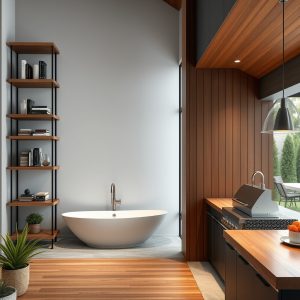
Wood, a timeless material, is being reimagined in innovative ways. Mixed wood tones are gaining popularity, allowing designers to create depth and contrast while maintaining a cohesive aesthetic. Reclaimed wood, in particular, is a favorite for its rustic charm and sustainability credentials. It tells a story, adding character to spaces while reducing the demand for new lumber. Similarly, wooden ceilings are making a comeback, offering warmth and texture that complements modern interiors.
Textured Surfaces and Earthy Palettes: A Return to Nature
In tandem with sustainable materials, earthy palettes are dominating modern interiors. Shades of terracotta, olive green, warm beige, and deep browns evoke a sense of grounding and tranquility, creating spaces that feel both inviting and restorative. These colors are often paired with textured surfaces—think linen upholstery, rattan furniture, or stone countertops—to add depth and tactile appeal.
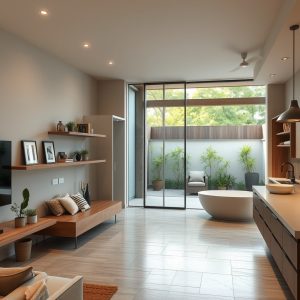
Biophilic design, which seeks to connect occupants with nature, is another key trend in this sustainable revolution. Incorporating natural elements like indoor plants, water features, or large windows that frame outdoor views can significantly enhance well-being. Even small touches, such as aged metals in fixtures or organic-shaped decor, can evoke a sense of harmony with the environment. This approach not only elevates the aesthetic of a space but also fosters a deeper connection to the world outside.
Smart Innovation Meets Warm Minimalism
While technology continues to play a pivotal role in modern home design, there is a growing preference for solutions that blend seamlessly into the background. Smart thermostats, hidden pantries, and smart bidets are just a few examples of how technology is being integrated in ways that enhance convenience without disrupting the aesthetic flow of a space. The goal is to create homes that are intelligent yet unobtrusive, where technology serves as a silent partner in daily life.
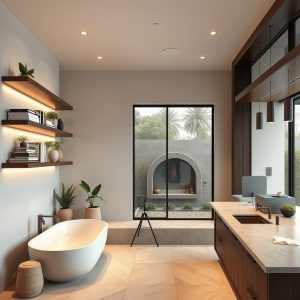
This philosophy aligns perfectly with the principles of warm minimalism, a design ethos that emphasizes simplicity, functionality, and comfort. Unlike the stark minimalism of the past, warm minimalism embraces soft textures, natural materials, and a curated selection of decor to create spaces that feel both modern and cozy. Floating shelves, for example, offer storage without clutter, while open-concept layouts promote a sense of spaciousness and freedom. The result is a home that feels serene, intentional, and deeply personal.
Outdoor Living: Extending the Home Beyond Four Walls
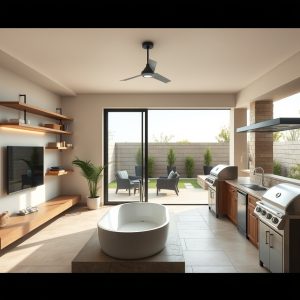
The boundaries between indoor and outdoor living are becoming increasingly blurred, thanks to the rise of outdoor kitchens and biophilic design. Outdoor kitchens, equipped with high-end appliances and durable materials, are transforming backyards into extensions of the home. These spaces are perfect for entertaining, relaxing, or simply enjoying a meal al fresco, all while fostering a deeper connection to nature.
Sustainable materials play a crucial role in outdoor design as well. From reclaimed wood decking to recycled composite materials, homeowners are opting for solutions that are both stylish and eco-friendly. Paired with earthy palettes and natural textures, these spaces feel like a seamless continuation of the indoor environment, blurring the lines between the built and natural worlds.
The modern home is no longer just a place to reside; it is a living, breathing entity that adapts to our needs, reflects our values, and nurtures our well-being. By embracing multi-functional rooms and sustainable materials, we are not just designing spaces—we are crafting environments that inspire, comfort, and endure. As these trends continue to evolve, one thing is clear: the future of home design lies in the delicate balance between innovation and intention, where every element serves a purpose and every detail tells a story.