The Modern Home as a Sanctuary of Soft Edges: How Curved Furniture, Earthy Palettes, and Smart Zoning Craft Fluid Living Spaces

There is a quiet revolution unfolding in the way we design our homes, one that embraces the gentle curve over the rigid line, the soft whisper of nature over the starkness of modernity. This shift is not about abandoning contemporary principles but about refining them—infusing spaces with warmth, movement, and a sense of effortless flow. At the heart of this evolution lies the interplay of curved furniture, earthy palettes, and intelligent zoning, three elements that together transform a house into a sanctuary of soft edges and intuitive living.
The Allure of Curved Furniture: Where Comfort Meets Modernity
Curved furniture is more than a trend; it is a response to the human need for comfort and connection. Unlike the sharp angles of mid-century modernism or the austere lines of minimalism, curved pieces invite touch, movement, and relaxation. A rounded sofa cradles the body, a circular dining table fosters conversation, and an arched bookshelf softens the geometry of a room. These shapes are not just aesthetically pleasing—they are psychologically soothing, evoking the organic forms found in nature.
In modern heritage design, curved furniture serves as a bridge between the past and present. It nods to the sinuous lines of Art Nouveau or the gentle arcs of Scandinavian design while remaining firmly rooted in contemporary sensibilities. The key is balance: pairing a voluptuous, rounded armchair with a sleek, low-profile coffee table, or offsetting a curved kitchen island with linear cabinetry. The result is a space that feels dynamic yet harmonious, where every piece contributes to a sense of fluidity.
Earthy Palettes: The Foundation of Warmth and Depth
Colour sets the emotional tone of a home, and earthy palettes are the unsung heroes of modern heritage design. These hues—think warm terracottas, muted ochres, deep moss greens, and soft clay beiges—ground a space in nature while allowing other elements to shine. Unlike the cool, clinical tones of industrial design, earthy palettes evoke a sense of warmth, stability, and timelessness.
The magic of an earthy palette lies in its versatility. It can be layered to create depth, with darker tones anchoring a room and lighter shades drawing the eye upward. Textured surfaces, such as linen upholstery, rattan accents, or matte stone countertops, further enhance this effect, adding tactile richness. When combined with curved furniture, these palettes create a cocooning effect, making a home feel like a retreat from the outside world.
The Art of Kitchen Zoning: Functionality Without Sacrificing Flow
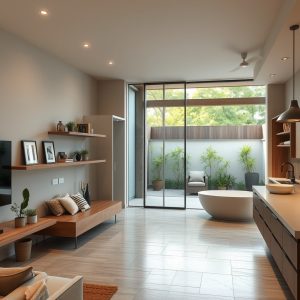
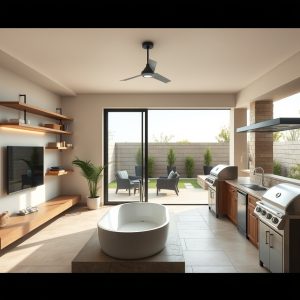
Open-concept living has dominated home design for decades, but the next evolution of this trend is all about intentional zoning. Kitchen zoning, in particular, is a game-changer for modern homes, offering the best of both worlds: the spaciousness of an open layout with the functionality of defined areas. The secret lies in subtle demarcations—curved islands that guide movement, earth-toned rugs that delineate spaces, or floating shelves that create visual separation without closing off a room.
For example, a kitchen might feature a curved island that doubles as a breakfast bar, seamlessly transitioning into a dining area. A warm, earthy backsplash could tie the space together, while a strategically placed rug under the dining table defines the zone without disrupting the flow. Smart storage solutions, like hidden pantries or pull-out shelves, further enhance functionality, ensuring that every inch of space is both beautiful and practical.
Biophilic Design: Bringing the Outdoors In
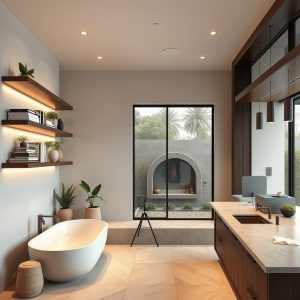
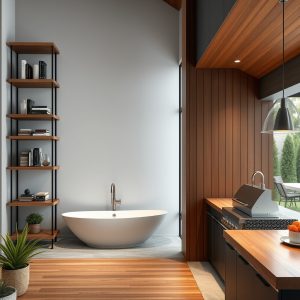
No discussion of modern heritage design would be complete without mentioning biophilic design, the practice of integrating natural elements into interiors. This approach goes beyond adding a few plants; it’s about creating a deep, sensory connection to nature. Wooden ceilings with visible grain, stone countertops with natural veining, and large windows that frame outdoor views all contribute to this effect.
Curved furniture plays a role here, too. Organic shapes mimic the forms found in nature, reinforcing the biophilic connection. When paired with earthy palettes, these elements create a space that feels alive, breathing, and in harmony with its surroundings. The result is a home that doesn’t just look beautiful but feels nourishing to the soul.
The Future of Fluid Living
The modern home is no longer a static space but a dynamic one, evolving to meet the needs of those who inhabit it. Curved furniture, earthy palettes, and smart zoning are not just design choices; they are tools for crafting spaces that adapt, comfort, and inspire. They remind us that a home should be more than a collection of rooms—it should be a living, breathing entity that moves with us, reflects our values, and nurtures our well-being. In a world that often feels fragmented, these elements offer a path to cohesion, where every detail is thoughtfully considered and every space feels like coming home.