The Subtle Charm of Curved Furniture: How Modern Heritage Embraces Fluidity, Earthy Palettes, and Smart Functionality
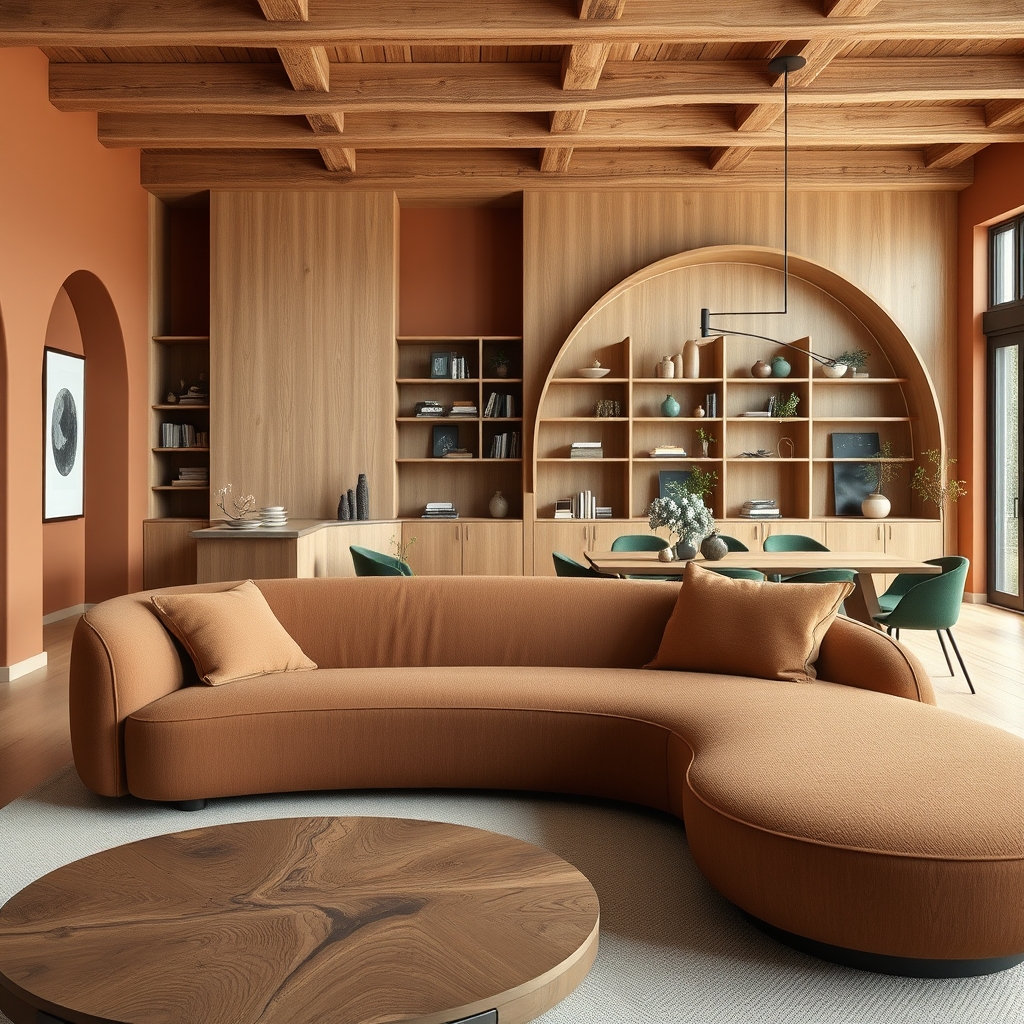
There’s something inherently soothing about curves. They soften the rigid lines of modern architecture, inviting warmth and movement into a space. In the world of modern heritage design, curved furniture is more than a trend—it’s a celebration of fluidity, a nod to the organic shapes found in nature, and a bridge between contemporary aesthetics and timeless comfort. Paired with earthy palettes and smart functionality, these pieces don’t just occupy a room; they transform it into a living, breathing sanctuary.
The Psychology of Curves: Why Soft Lines Feel Like Home
Human beings are hardwired to respond to curves. Studies in environmental psychology suggest that rounded edges and flowing forms evoke feelings of safety, relaxation, and even joy. Unlike sharp angles, which can feel imposing or sterile, curves create a sense of harmony and ease. This is why curved furniture—whether it’s a sculptural sofa, a rounded dining table, or an arched bookshelf—feels so naturally at home in modern heritage interiors. These pieces soften the edges of minimalist design, making spaces feel more inviting and lived-in.
In a world where straight lines dominate urban landscapes, curved furniture offers a counterbalance. It’s a subtle rebellion against the rigidity of modern life, a way to infuse personality and warmth into a space without sacrificing sophistication. When paired with earthy palettes—think warm terracottas, muted ochres, and deep forest greens—curves take on an almost therapeutic quality, grounding the room in a sense of calm and connection.
Earthy Palettes: The Perfect Canvas for Curved Elegance
Earthy palettes are the backbone of modern heritage design, and for good reason. These tones—inspired by nature’s own color wheel—create a foundation that feels both timeless and deeply personal. They allow curved furniture to shine without overwhelming the senses, providing a neutral backdrop that enhances the organic flow of each piece. A deep walnut dining table with a gently rounded edge, for example, becomes a statement when set against a backdrop of warm clay walls or a textured linen sofa in a muted sage.
But earthy palettes aren’t just about neutrals. They can also embrace richer, more saturated hues like burnt sienna, moss green, or even deep indigo. These colors add depth and dimension to a space, making curved furniture feel even more intentional. The key is balance: pairing bold curves with muted tones or, conversely, using softer curves to temper a more vibrant palette. The result is a space that feels cohesive, dynamic, and effortlessly elegant.
Layering Textures for Depth and Dimension
Curved furniture and earthy palettes are a match made in design heaven, but the magic truly happens when textures are layered into the mix. Modern heritage design thrives on tactile contrasts—rough-hewn wood against smooth ceramics, plush velvet against aged metals, or woven rattan against polished stone. These contrasts not only add visual interest but also create a sensory experience that makes a space feel more alive.
Consider a curved sofa upholstered in a rich, textured boucle fabric. The softness of the fabric invites touch, while the curve of the sofa adds a sculptural element to the room. Pair it with a live-edge wooden coffee table and a chunky knit throw, and suddenly, the space feels layered and lived-in. Add in a few aged metal accents—a brass floor lamp or a wrought-iron side table—and the room takes on a timeless quality that blurs the line between modern and heritage.
Smart Functionality: Where Form Meets Innovation
Modern heritage design isn’t just about aesthetics; it’s about creating spaces that work as hard as they look. This is where smart functionality comes into play. Curved furniture, with its emphasis on fluidity and movement, lends itself beautifully to multi-functional design. A curved bench with built-in storage, for example, can serve as both a seating area and a place to stow away blankets or books. A rounded kitchen island with integrated smart appliances can become the heart of an open-concept home, blending style with practicality.
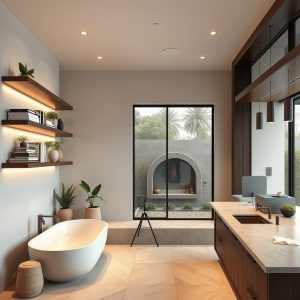
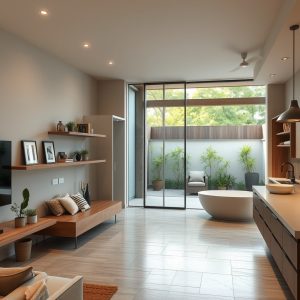
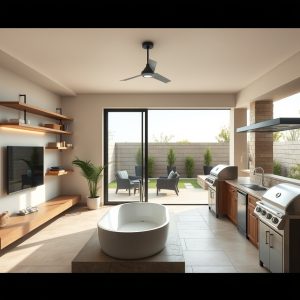
Smart bidets, hidden pantries, and floating shelves are just a few of the innovations that can enhance the functionality of a curved furniture-centric space. These elements don’t just add convenience; they elevate the design by ensuring that every piece serves a purpose. A hidden pantry, for instance, keeps clutter out of sight while maintaining the clean lines of a modern kitchen. Floating shelves, on the other hand, provide display space without disrupting the flow of a room, allowing curved furniture to remain the focal point.
The Role of Biophilic Design in Curved Spaces
Biophilic design—the practice of incorporating natural elements into interior spaces—is a natural fit for curved furniture and earthy palettes. The organic forms of curves mimic the shapes found in nature, while earthy tones evoke the colors of the natural world. Together, they create a space that feels inherently soothing and restorative.
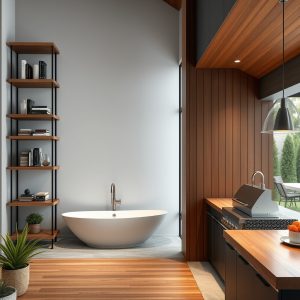
Incorporating biophilic elements into a curved furniture-centric space can be as simple as adding a few potted plants or as elaborate as installing a living green wall. Wooden ceilings, reclaimed wood accents, and stone surfaces can also enhance the connection to nature, making the space feel more grounded and serene. The goal is to create an environment that not only looks beautiful but also feels good to be in—a space that nurtures the soul as much as it delights the senses.
Creating Flow: The Art of Zoning with Curved Furniture
One of the greatest challenges in open-concept living is defining distinct zones without disrupting the flow of the space. Curved furniture offers a solution. Its soft lines create natural pathways, guiding movement and defining areas without the need for rigid barriers. A curved sofa, for example, can delineate a living area within a larger open space, while a rounded dining table can anchor a dining zone without feeling closed off.
Kitchen zoning is another area where curved furniture shines. A curved island can serve as a natural divider between the cooking and dining areas, creating a sense of separation without sacrificing openness. Paired with floating shelves or a hidden pantry, it can also provide additional storage and display space, keeping the kitchen both functional and stylish.
Curved furniture also lends itself beautifully to multi-functional rooms. A home office with a curved desk, for instance, can double as a guest room when paired with a sleek Murphy bed. The curve of the desk softens the transition between work and rest, making the space feel more cohesive and adaptable. In a bedroom, a curved headboard can add a touch of elegance while also serving as a subtle divider between the sleeping area and a cozy reading nook.
There’s a quiet elegance to curved furniture that transcends trends. It’s a celebration of the organic, a rejection of the rigid, and a testament to the power of design to shape not just spaces, but experiences. When paired with earthy palettes, smart functionality, and biophilic elements, curved furniture doesn’t just fill a room—it transforms it into a sanctuary of fluidity and warmth. It’s a reminder that home isn’t just a place to live; it’s a space to feel, to breathe, and to connect with the world around us. And in a time when life often feels fragmented, that connection is more valuable than ever.