The Modern Home as a Sanctuary of Fluid Continuity: How Mixed Wood Tones, Curved Furniture, and Biophilic Design Craft a Living Space That Breathes With Nature
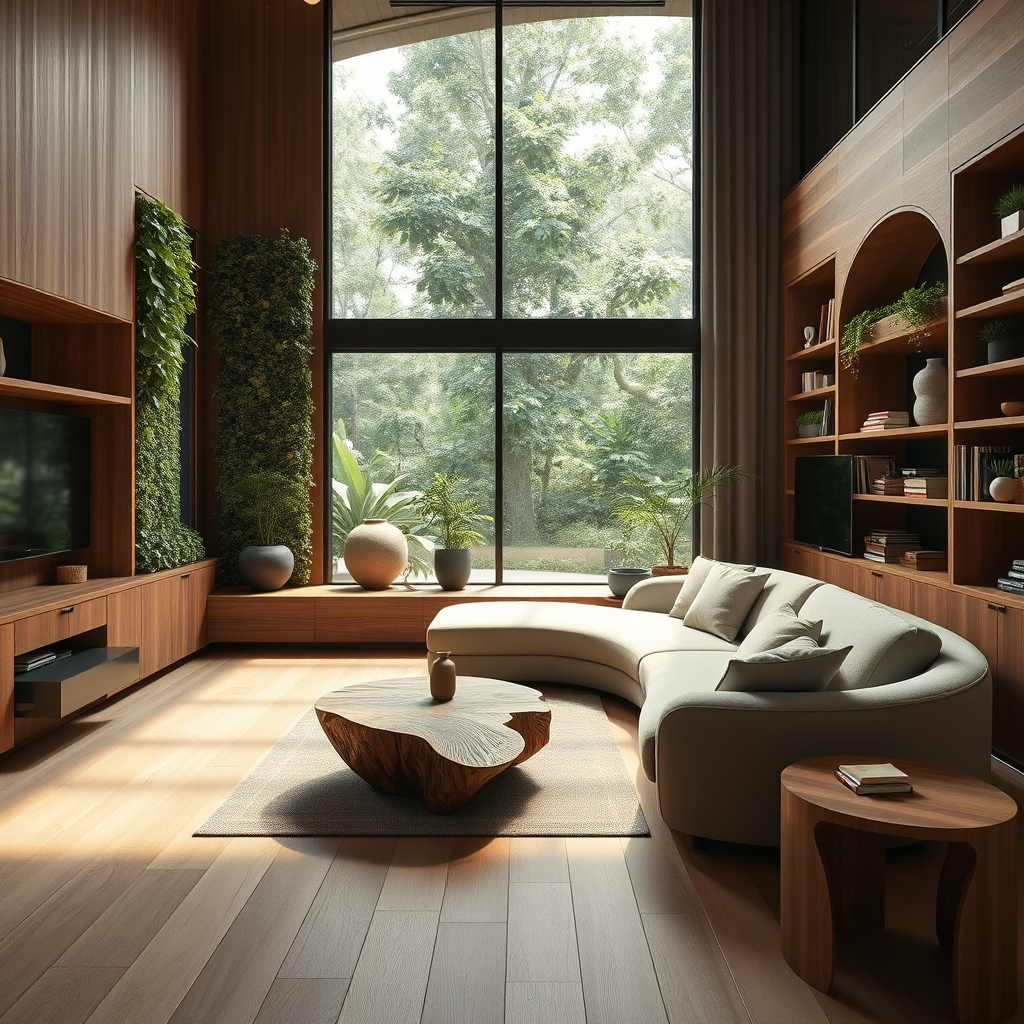
There’s a quiet revolution unfolding in modern home design—one that blurs the lines between heritage and innovation, between the organic and the engineered. It’s a movement that doesn’t just decorate spaces but animates them, crafting environments that feel alive, responsive, and deeply connected to the natural world. At its heart lies a harmonious interplay of mixed wood tones, curved furniture, and biophilic design, each element working in concert to create a living space that doesn’t just house life but breathes with it.
The Alchemy of Mixed Wood Tones
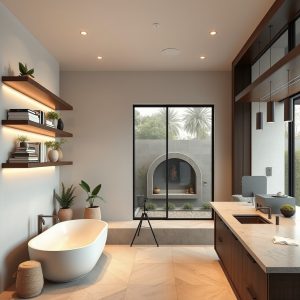
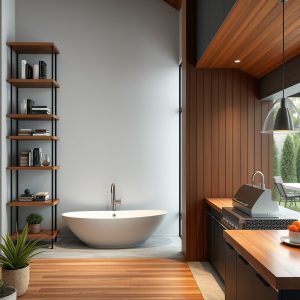
Wood has always been the soul of a home, but modern design is redefining how we use it. Gone are the days of matching every plank to a single stain; today’s interiors celebrate the rich diversity of wood’s natural palette. Light oak floors might meet walnut cabinetry, while reclaimed teak shelves add a layer of warmth and history. This intentional mixing of tones doesn’t create chaos—it creates depth. Each wood variety brings its own texture, grain, and story, layering together like the rings of a tree, telling a tale of time and craftsmanship. The result is a space that feels both curated and organic, where every surface invites touch and every corner holds a whisper of the forest.
The Fluidity of Curved Furniture
Straight lines have their place, but there’s something inherently human about curves. They mimic the shapes found in nature—think of the gentle arc of a river, the undulating form of a hill, or the soft contours of a pebble worn smooth by time. Modern furniture designers are embracing this organic fluidity, crafting sofas, tables, and shelving units that eschew rigid angles in favor of sinuous, flowing forms. These pieces don’t just occupy space; they move through it, creating a sense of rhythm and flow that encourages relaxation and connection. A curved sectional becomes a gathering place, a rounded coffee table invites conversation, and an arched bookshelf adds a sculptural elegance that feels both timeless and fresh. In a world that often feels sharp and angular, these designs offer a counterpoint—a reminder that comfort and beauty can coexist in softness.
Biophilic Design: Bringing the Outside In
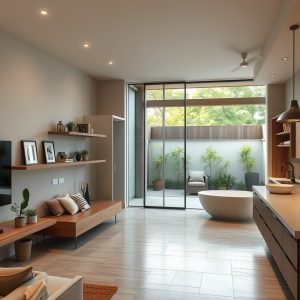
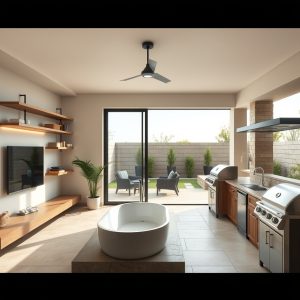
If mixed wood tones and curved furniture are the body of this design philosophy, biophilic design is its soul. The term “biophilia” refers to humanity’s innate connection to nature, and modern homes are finding increasingly creative ways to honor that bond. It’s not just about adding a few potted plants (though greenery is always welcome); it’s about integrating natural elements in ways that engage all the senses. Large windows frame views of gardens or skylines, flooding interiors with natural light. Living walls and vertical gardens purify the air while adding a lush, vibrant backdrop. Materials like stone, clay, and bamboo bring earthy textures indoors, while water features—whether a small indoor fountain or a reflecting pool in an outdoor living space—introduce the soothing sound of flowing water. Even the layout of a home can embrace biophilic principles, with open-concept designs that allow for seamless transitions between indoor and outdoor spaces. The goal is to create an environment that doesn’t just look like nature but feels like it—alive, dynamic, and restorative.
The Role of Smart Innovation
While the aesthetic of modern heritage is deeply rooted in nature, it’s also unapologetically forward-thinking. Smart technology is being seamlessly integrated into these spaces, not as a gimmick but as a tool to enhance comfort, sustainability, and well-being. Imagine a home where smart thermostats adjust the temperature based on the time of day and occupancy, ensuring energy efficiency without sacrificing comfort. Or a bathroom where a smart bidet offers a spa-like experience, combining hygiene with luxury. Even lighting can be programmed to mimic the natural progression of daylight, supporting circadian rhythms and promoting better sleep. These innovations aren’t about replacing the organic with the artificial; they’re about using technology to deepen our connection to the natural world and to each other. A home that anticipates your needs, adapts to your lifestyle, and reduces its environmental footprint isn’t just smart—it’s a sanctuary.
Crafting a Home That Evolves With You
The most enduring homes are those that grow and change alongside their inhabitants. This is where the principles of modern heritage truly shine. Mixed wood tones create a foundation that’s rich and adaptable, allowing for easy updates as tastes evolve. Curved furniture adds a timeless elegance that transcends fleeting trends, while biophilic design ensures that the space remains a source of vitality and inspiration. Together, these elements create a home that isn’t static but dynamic—a living, breathing entity that reflects the people who inhabit it. Whether it’s a cozy reading nook bathed in natural light, a kitchen that doubles as a gathering space for family and friends, or a bedroom that feels like a retreat, the modern home is designed to nurture, inspire, and adapt. It’s not just a place to live; it’s a place to thrive, a sanctuary where every detail is thoughtfully considered and every moment feels like coming home.
The beauty of this approach lies in its fluidity. There are no rigid rules, no one-size-fits-all solutions—just a thoughtful blend of elements that resonate with the way we live today. It’s a celebration of the past, present, and future, where heritage and innovation coexist in perfect harmony. In a world that often feels disconnected, these spaces remind us of what it means to be truly at home: surrounded by beauty, comfort, and the quiet hum of life itself.