The Modern Home as a Sanctuary of Fluid Continuity: How Earthy Palettes, Curved Furniture, and Smart Innovation Craft a Living Space That Adapts and Endures
The modern home is no longer just a static structure; it’s a living, breathing entity that evolves alongside the people who inhabit it. The latest trends in interior design reflect this shift, blending timeless elements with cutting-edge innovation to create spaces that feel both rooted and dynamic. At the heart of this transformation lies a delicate balance—where heritage meets modernity, and functionality dances with aesthetics. The result is a home that doesn’t just serve its purpose but adapts, endures, and resonates with the rhythms of daily life.
The Return of Earthy Palettes: Grounding Modern Spaces
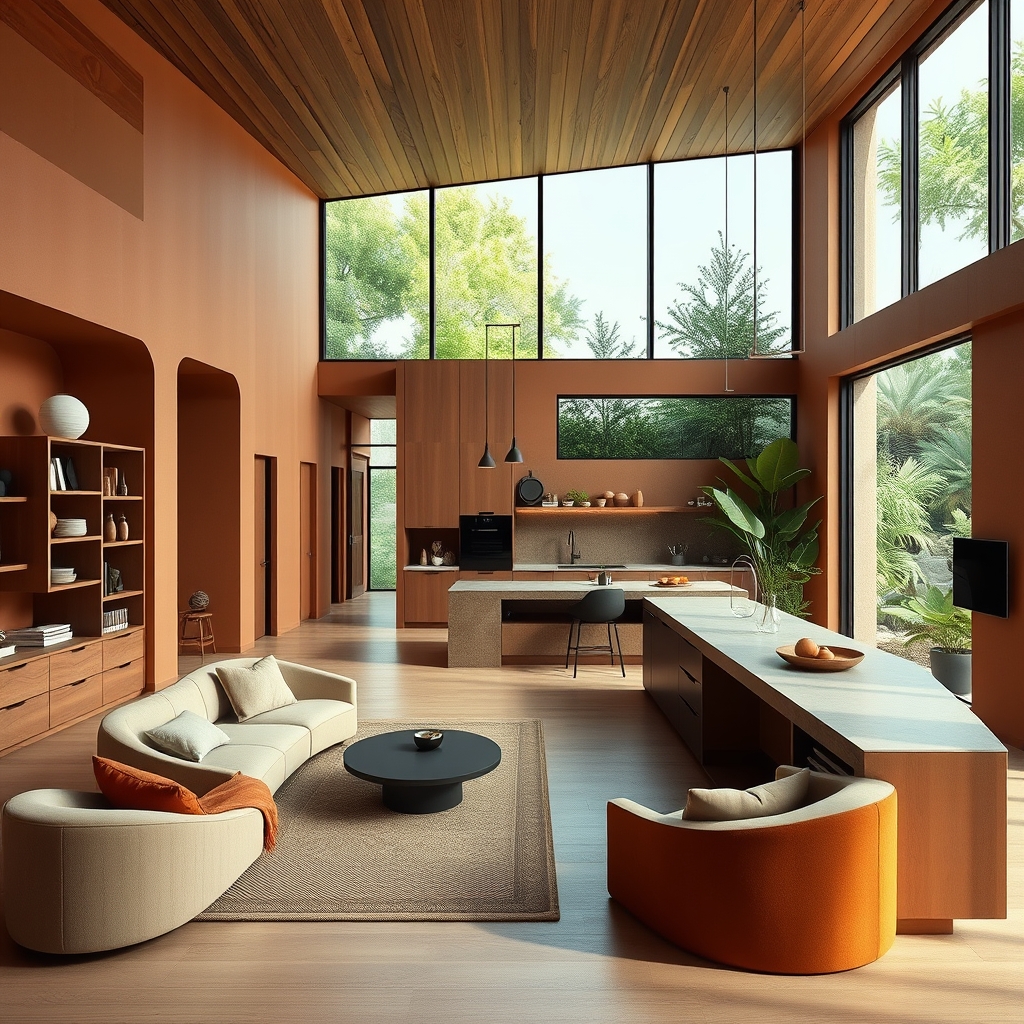
Earthy palettes have surged back into prominence, offering a warm, organic foundation for contemporary interiors. These hues—think terracotta, olive green, warm ochre, and deep umber—bring a sense of calm and connection to nature, counterbalancing the sleekness of modern materials. Unlike the stark whites and cool grays of minimalist trends past, earthy tones infuse spaces with depth and character, creating an inviting atmosphere that feels both timeless and fresh.
Designers are increasingly layering these tones, using them in everything from wall colors to textiles and furnishings. The key to mastering this trend lies in subtlety; a monochromatic scheme with varying shades of the same hue can create a cohesive, harmonious look, while strategic pops of contrasting earthy tones add visual interest. When paired with natural materials like wood, stone, and linen, these palettes evoke a sense of warmth and authenticity that feels inherently human.
Curved Furniture: Softening the Edges of Modernity
Gone are the days when sharp lines and rigid geometries dominated interior design. Today, curved furniture is taking center stage, introducing a sense of fluidity and softness to modern spaces. From rounded sofas and arched doorways to circular coffee tables and organically shaped shelving, these pieces break away from the angular constraints of traditional design, fostering a more welcoming and inclusive environment.
The appeal of curved furniture extends beyond aesthetics. Psychologically, rounded shapes are perceived as more approachable and comforting, making them ideal for spaces meant for relaxation and connection. They also enhance the flow of a room, guiding movement in a natural, unobtrusive way. Whether it’s a sculptural armchair or a sinuous kitchen island, curved furniture adds a layer of sophistication and playfulness to any interior, bridging the gap between modern innovation and timeless elegance.
The Role of Smart Innovation in Modern Heritage
As homes become more integrated with technology, smart innovation is no longer a luxury but a necessity. Yet, the challenge lies in seamlessly blending these advancements with the aesthetic and emotional qualities of a space. Smart bidets, for instance, offer unparalleled hygiene and convenience, but their sleek, minimalist designs ensure they don’t disrupt the visual harmony of a bathroom. Similarly, smart thermostats and lighting systems can be discreetly incorporated, allowing homeowners to control their environment with ease while maintaining the integrity of their design.
One of the most exciting developments in this space is the rise of hidden pantries and multi-functional rooms. These innovations cater to the modern need for adaptability, allowing spaces to serve multiple purposes without sacrificing style. A hidden pantry, for example, can keep a kitchen clutter-free while providing ample storage, while a multi-functional room can transform from a home office to a guest bedroom with minimal effort. These solutions reflect a broader shift toward homes that are as intelligent as they are beautiful, where technology enhances rather than detracts from the living experience.
Biophilic Design: Bringing the Outdoors In
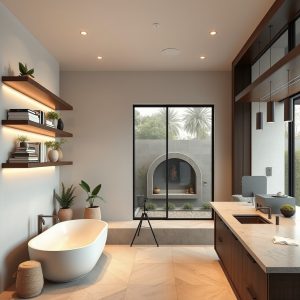
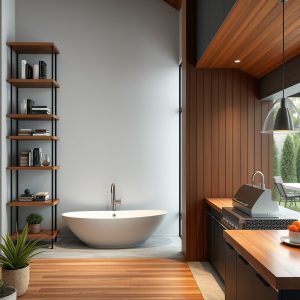
Biophilic design, the practice of incorporating natural elements into interiors, has become a cornerstone of modern home design. This approach goes beyond simply adding plants; it’s about creating a deep, intrinsic connection to nature through materials, textures, and spatial arrangements. Wooden ceilings, for instance, add warmth and texture to a room, while large windows and skylights invite natural light to flood the space, blurring the boundaries between indoors and out.
Textured surfaces, such as stone countertops, woven rugs, and rough-hewn wood, further enhance this connection, adding tactile depth to a room. Even the strategic placement of water features or the use of natural scents can evoke the sensory experiences of the outdoors. The result is a home that feels alive, nurturing both the body and the soul. Biophilic design isn’t just a trend; it’s a philosophy that recognizes the fundamental human need to be in harmony with nature, even within the confines of a modern home.
The Evolution of Open Concept Living
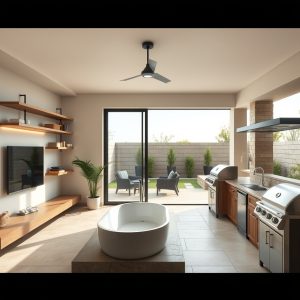
The open concept layout has long been a staple of modern design, but its evolution is far from over. Today, the focus is on creating zones within these open spaces—areas that serve distinct purposes while maintaining a sense of flow and connectivity. Kitchen zoning, for example, might involve a central island that doubles as a dining area and a prep station, or a cozy nook tucked into a corner for casual meals. These zones allow for flexibility, accommodating everything from intimate family dinners to large gatherings with ease.
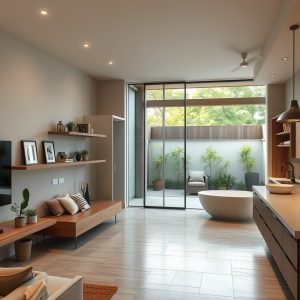
Floating shelves and strategic lighting play a crucial role in defining these zones without closing off the space. A well-placed shelf can act as a subtle divider, while pendant lights or recessed lighting can highlight specific areas, adding depth and dimension. The goal is to create a home that feels expansive yet intimate, where every corner has a purpose and every detail contributes to the overall harmony of the space.
Sustainable Materials: Crafting a Future-Ready Home
Sustainability is no longer an afterthought in home design; it’s a driving force behind many of the latest trends. Homeowners and designers alike are increasingly prioritizing materials that are not only beautiful but also eco-friendly and durable. Reclaimed wood, recycled metals, and natural fibers like jute and hemp are just a few examples of sustainable materials making their way into modern interiors. These choices reflect a growing awareness of the environmental impact of design decisions, as well as a desire to create homes that are built to last.
Beyond their environmental benefits, sustainable materials add a layer of authenticity to a space. The imperfections and unique characteristics of reclaimed wood, for instance, tell a story, adding a sense of history and warmth to a room. Similarly, the use of natural fibers in textiles and furnishings introduces a tactile quality that synthetic materials simply can’t replicate. In a world where mass production often leads to homogeneity, sustainable materials offer a way to create spaces that are truly one-of-a-kind.
The modern home is a testament to the idea that design should be both functional and meaningful. It’s a space that adapts to the needs of its inhabitants, evolves with the times, and remains rooted in the principles of beauty, comfort, and sustainability. By embracing earthy palettes, curved furniture, smart innovation, and biophilic design, we create homes that don’t just reflect who we are but also inspire us to live better, more connected lives. In this ever-changing world, the home remains a constant—a sanctuary that nurtures, adapts, and endures, no matter what the future holds.