The Modern Home as a Sanctuary of Fluid Connection: How Biophilic Design, Curved Furniture, and Smart Zoning Craft Living Spaces That Breathe With You
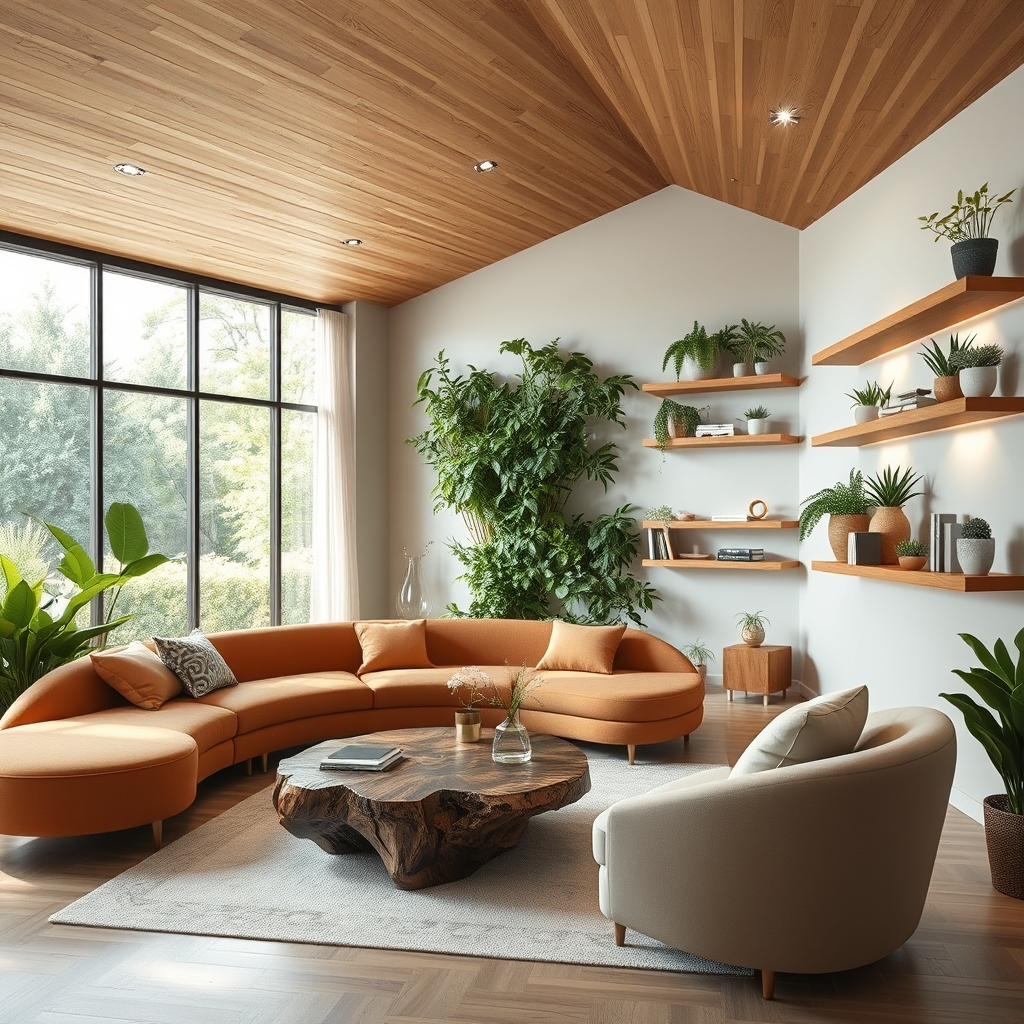
The modern home is no longer just a static structure; it’s a dynamic entity that evolves with the rhythms of those who inhabit it. At the heart of this transformation lies a deep connection to nature, fluidity in design, and intelligent functionality—elements that together craft spaces that don’t just house life but actively participate in it. The fusion of biophilic design, curved furniture, and smart zoning is redefining what it means to live in harmony with our surroundings, creating environments that feel as alive as we are.
The Essence of Biophilic Design: Bringing the Outdoors In
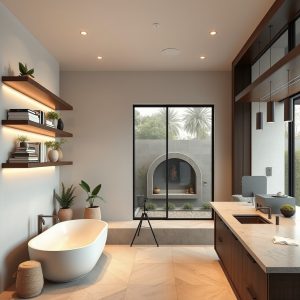
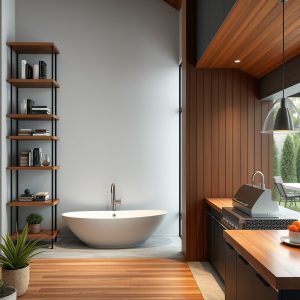
Biophilic design is more than a trend; it’s a philosophy that seeks to bridge the gap between the built environment and the natural world. By integrating elements like natural light, organic materials, and greenery, homes become extensions of the landscapes that surround them. Imagine a living room where wooden ceilings mimic the canopy of a forest, or a kitchen where earthy palettes of terracotta, moss, and warm ochre evoke the tranquility of a sunlit meadow. These choices aren’t just aesthetic—they’re deeply psychological, fostering a sense of calm and well-being that synthetic materials simply can’t replicate.
But biophilic design goes beyond mere decoration. It’s about creating a sensory experience that engages sight, touch, and even sound. The gentle rustle of leaves from an indoor vertical garden, the soft texture of sustainable materials like cork or reclaimed wood underfoot, or the play of dappled light through strategically placed skylights—all these elements work together to craft a home that feels alive. In a world where urban living often disconnects us from nature, biophilic design acts as a vital counterbalance, reminding us of our innate need to be surrounded by the organic.
The Fluidity of Curved Furniture: Softening the Edges of Modern Living
Gone are the days when sharp angles and rigid lines dominated interior design. Today, curved furniture is having a moment, and for good reason. These sinuous forms don’t just add visual interest—they create a sense of movement and flow, making spaces feel more inviting and dynamic. A rounded sofa, an arched bookshelf, or a circular dining table doesn’t just occupy space; it shapes it, guiding the eye and the body in a way that feels effortless and intuitive.
The appeal of curved furniture lies in its ability to soften the hard edges of modern life. In a world where screens and straight lines often dominate our field of vision, these organic shapes offer a much-needed respite. They encourage relaxation, conversation, and even playfulness, breaking down the formal barriers that traditional furniture can impose. When paired with earthy palettes and textured surfaces, curved pieces create a tactile richness that invites touch and exploration, making a house feel like a home.
Moreover, curved furniture aligns perfectly with the principles of warm minimalism, where less is more—but what remains is deeply intentional. A single, sculptural armchair in a neutral tone can become the focal point of a room, while its gentle contours ensure it never feels overpowering. It’s a design choice that speaks to the modern desire for simplicity without sacrificing warmth or character.
Smart Zoning: The Art of Adaptive Living
As our lives become increasingly multifaceted, so too must our living spaces. The concept of kitchen zoning and multi-functional rooms is evolving into something even more sophisticated: smart zoning. This approach isn’t just about dividing a space into distinct areas for cooking, dining, and lounging—it’s about creating flexible environments that adapt to our changing needs throughout the day.
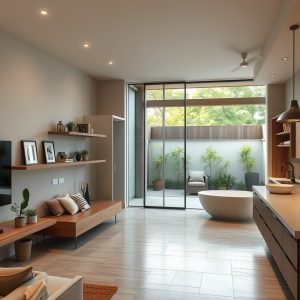
Imagine a home where a single room can seamlessly transition from a home office in the morning to a cozy reading nook in the afternoon, and then into a social hub for evening gatherings. This level of adaptability is achieved through thoughtful design choices: modular furniture that can be rearranged with ease, floating shelves that serve as both storage and display, and even smart thermostats that adjust the ambiance to suit the activity at hand. The result is a home that doesn’t just accommodate life but actively enhances it.
Smart zoning also extends to the integration of technology in ways that feel organic rather than intrusive. Smart bidets in bathrooms, for instance, aren’t just about luxury—they’re about redefining hygiene and comfort in a way that aligns with modern values of sustainability and well-being. Similarly, hidden pantries and concealed storage solutions ensure that functionality never comes at the expense of aesthetics, allowing spaces to remain uncluttered and serene.
The Intersection of Heritage and Innovation
What makes these design choices so compelling is their ability to honor the past while embracing the future. Modern heritage isn’t about replicating old styles—it’s about distilling the essence of what makes traditional design timeless and reimagining it for contemporary living. The warmth of mixed wood tones, the patina of aged metals, and the richness of textured surfaces all carry a sense of history, grounding modern spaces in a narrative that feels authentic and lived-in.
At the same time, innovation is pushing the boundaries of what’s possible. Sustainable materials like bamboo, recycled glass, and reclaimed wood are making it easier than ever to create beautiful spaces without compromising the planet. Smart home technology, from automated lighting to voice-controlled appliances, is seamlessly integrating into our lives, making everyday tasks more efficient and enjoyable. And design techniques like colour drenching—where a single hue is used in varying shades to create depth and cohesion—are allowing homeowners to express their personalities in bold, unexpected ways.
Yet, for all its innovation, the modern home remains rooted in a fundamental truth: it should be a sanctuary. Whether through the gentle curve of a sofa, the soothing presence of indoor greenery, or the intuitive flow of a well-zoned space, the best homes are those that feel like an extension of ourselves. They don’t just reflect our tastes—they nurture our well-being, adapt to our needs, and, most importantly, make us feel truly at home. In a world that often feels fragmented and fast-paced, these spaces offer something rare and precious: a sense of belonging, of connection, of peace.