The Modern Home as a Sanctuary of Fluid Simplicity: How Warm Minimalism, Floating Shelves, and Smart Zoning Craft Effortless Living
The modern home is no longer just a place to live—it’s a carefully curated experience, a sanctuary where simplicity and sophistication intertwine. The latest evolution in interior design embraces warm minimalism, a philosophy that strips away excess while infusing spaces with depth, texture, and intention. This approach doesn’t just prioritize aesthetics; it redefines functionality, ensuring every element serves a purpose while contributing to a sense of calm and cohesion.
The Essence of Warm Minimalism
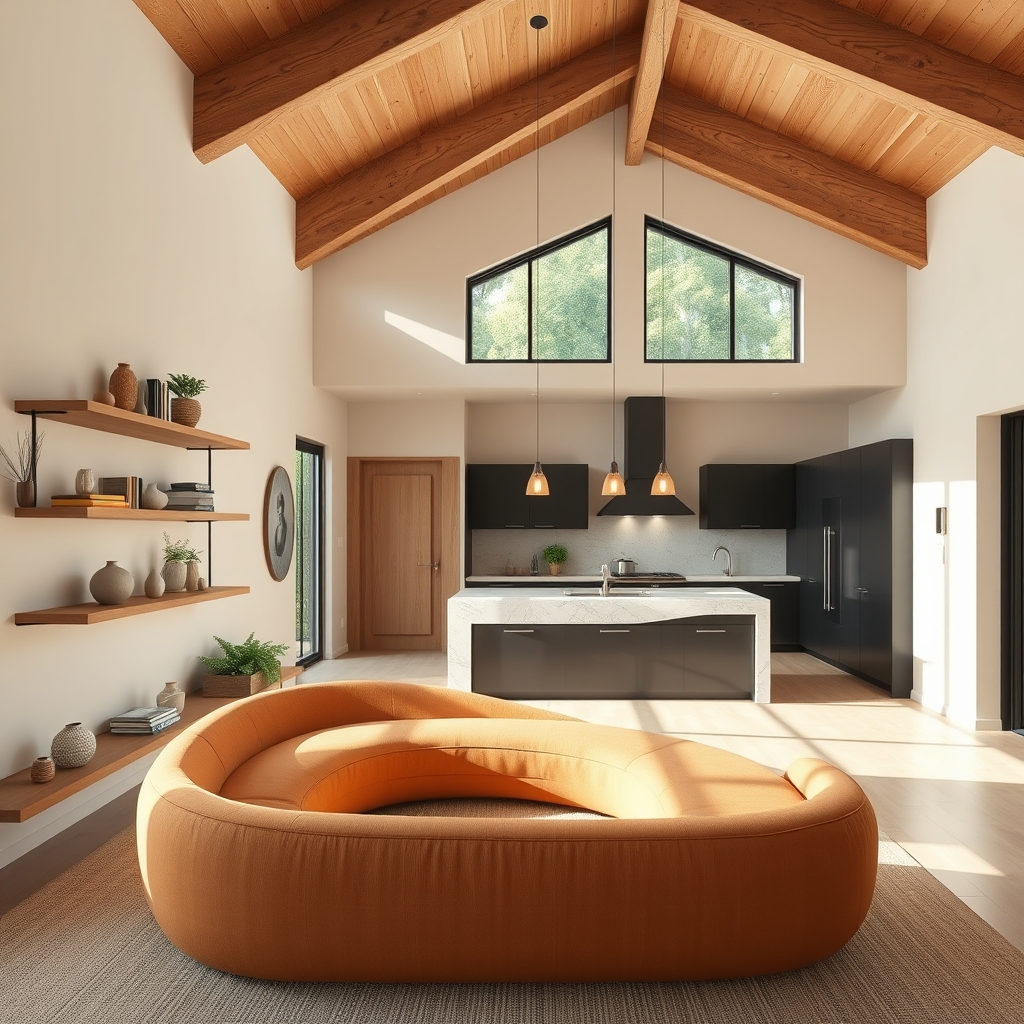
Warm minimalism is the antidote to the stark, cold interiors of the past. It retains the clean lines and uncluttered spaces of traditional minimalism but layers in earthy palettes, natural materials, and subtle textures to create an inviting atmosphere. Think soft neutrals—warm beiges, muted terracottas, and deep ochres—paired with organic materials like linen, wool, and sustainable wood. The result is a space that feels both refined and lived-in, where every piece has a purpose and a story.
This design philosophy thrives on the principle of less is more, but with a twist: the less is intentional, and the more is in the details. A single statement piece, like a curved sofa in a rich, earthy tone, can anchor a room, while textured surfaces—such as a handwoven rug or a matte-finish ceramic vase—add layers of visual interest without overwhelming the space. The goal is to create an environment that feels effortlessly elegant, where every element contributes to a sense of harmony and balance.
The Rise of Floating Shelves: Form Meets Function
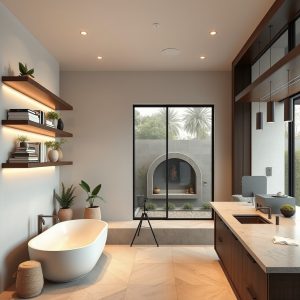
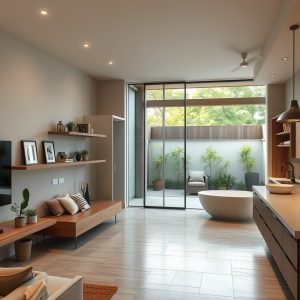
One of the most defining features of modern interiors is the use of floating shelves. These sleek, wall-mounted storage solutions are more than just a trend—they’re a testament to the marriage of form and function. Floating shelves eliminate the need for bulky furniture, freeing up floor space and creating an airy, open feel. They’re perfect for displaying curated collections, from art books and ceramics to small plants and personal mementos, adding personality to a room without clutter.
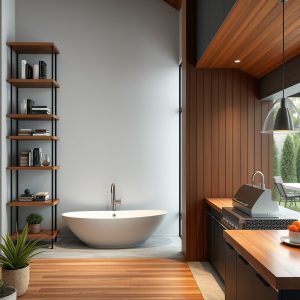
In a warm minimalist home, floating shelves are often crafted from natural materials like reclaimed wood or matte-finish metal, blending seamlessly with the earthy palette. Their simplicity allows them to adapt to any space, whether it’s a cozy reading nook, a sleek kitchen, or a spa-like bathroom. When styled thoughtfully, they can even serve as a focal point, drawing the eye upward and adding vertical interest to a room.
Smart Zoning: The Art of Defining Space Without Walls
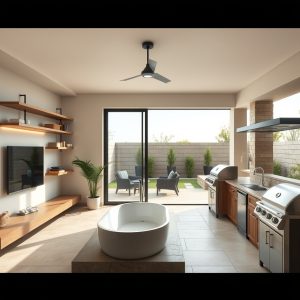
As open-concept living continues to dominate modern home design, the challenge of defining distinct areas within a single space has led to the rise of smart zoning. This technique uses furniture, lighting, and subtle architectural elements to create separate zones within an open floor plan, ensuring each area feels purposeful and cohesive. For example, a curved bookshelf can act as a natural divider between a living room and dining area, while a strategically placed rug can anchor a seating arrangement and distinguish it from the surrounding space.
Lighting plays a crucial role in smart zoning. Pendant lights over a kitchen island, a floor lamp beside a reading chair, or recessed lighting in a hallway can all help delineate different areas while maintaining a sense of flow. The key is to use these elements subtly, ensuring they enhance the space without disrupting its openness. The result is a home that feels dynamic and flexible, adapting effortlessly to the needs of its inhabitants.
The Role of Technology in Effortless Living
Modern heritage design isn’t just about aesthetics—it’s also about integrating technology in a way that enhances daily life without compromising style. Smart thermostats, for instance, allow homeowners to control their environment with ease, ensuring comfort while reducing energy consumption. These devices blend seamlessly into the background, often designed with sleek, minimalist interfaces that complement the home’s earthy palette.
Similarly, smart bidets are becoming a staple in modern bathrooms, offering a touch of luxury while promoting sustainability. Their compact, streamlined designs fit effortlessly into any space, and their advanced features—like heated seats, customizable water pressure, and eco-friendly modes—elevate the bathroom experience without sacrificing aesthetics. When paired with natural materials like stone or wood, these technologies create a spa-like atmosphere that feels both indulgent and grounded.
Biophilic Design: Bringing the Outdoors In
At the heart of modern heritage design is a deep connection to nature, and biophilic design is the bridge between indoor and outdoor living. This approach incorporates natural elements—such as plants, natural light, and organic materials—into the home to create a sense of tranquility and well-being. A wooden ceiling with exposed beams, for example, can add warmth and texture to a space, while large windows that frame views of the outdoors blur the line between inside and out.
Incorporating biophilic design doesn’t require a complete overhaul. Simple additions, like a vertical garden in the kitchen, a cluster of potted plants in the living room, or a natural stone accent wall in the bathroom, can make a significant impact. These elements not only enhance the aesthetic appeal of a home but also improve air quality and promote a sense of calm, making the space feel like a true sanctuary.
The Future of Modern Heritage: A Blend of Past and Present
The modern home is evolving into a space that honors tradition while embracing innovation. Warm minimalism and smart zoning are just two examples of how design is moving toward a more intentional, flexible approach to living. By blending natural materials, thoughtful technology, and a deep connection to nature, today’s interiors are crafted to adapt to the ever-changing needs of their inhabitants.
As we continue to redefine what it means to live well, the modern home will remain a reflection of our values—simplicity, sustainability, and a deep appreciation for the beauty of the natural world. It’s not about following trends but about creating a space that feels authentically yours, where every detail contributes to a sense of peace, purpose, and effortless elegance. In this sanctuary of fluid simplicity, the lines between form and function blur, and the home becomes more than just a place to live—it becomes a way of life.