The Invisible Comfort: How Radiant Floor Heating and Smart Framing Are Redefining Home Warmth
Imagine stepping onto a floor that greets your bare feet with gentle warmth, a quiet hum of comfort that spreads evenly through every corner of your home. This isn’t a luxury reserved for high-end spas or futuristic dwellings—it’s the reality of radiant floor heating, a system that’s transforming how we experience warmth in our living spaces. Unlike traditional forced-air systems that blast hot air from vents, radiant heating works silently beneath the surface, creating an environment where comfort feels effortless and natural. Paired with smart framing techniques, this approach isn’t just about coziness; it’s about reimagining how homes are built to be more efficient, sustainable, and attuned to the needs of those who live in them.
The Science of Silent Warmth
Radiant floor heating operates on a simple principle: heat rises. By embedding hydronic tubes or electric coils within the floor structure, the system radiates warmth upward, evenly distributing heat across the entire surface. This method eliminates the cold spots and drafts common with conventional heating, where warm air rises to the ceiling while the lower half of the room remains chilly. The result is a consistent temperature that envelops the space, making it feel warmer at lower thermostat settings. Studies have shown that radiant heating can reduce energy consumption by up to 30% compared to forced-air systems, as it doesn’t rely on ductwork—where up to 30% of heat can be lost—or the constant cycling of air to maintain comfort.
Beyond energy efficiency, radiant heating offers health benefits that are often overlooked. Forced-air systems can circulate dust, allergens, and other particulates, aggravating respiratory conditions and indoor air quality. Radiant systems, on the other hand, operate without blowing air, reducing the spread of irritants and creating a cleaner, healthier environment. This makes them particularly appealing for households with children, elderly family members, or anyone sensitive to airborne pollutants. The absence of noisy fans or rattling ducts also means a quieter home, where the only sound is the soft crackle of a fireplace or the hum of everyday life.
Building Smarter: The Role of Smart Framing
While radiant heating redefines comfort, smart framing is revolutionizing how homes are constructed to support these systems. Traditional framing methods often rely on closely spaced wooden studs, which can create thermal bridges—areas where heat escapes more easily, undermining energy efficiency. Smart framing, also known as advanced framing or optimum value engineering (OVE), minimizes these inefficiencies by using fewer materials and strategically placing studs, headers, and insulation to maximize thermal performance. This approach not only reduces waste but also creates more space within the walls for thicker insulation, further enhancing the home’s ability to retain heat.
One of the key advantages of smart framing is its compatibility with radiant heating systems. By reducing the number of structural interruptions in the floor and walls, smart framing allows for more uniform installation of hydronic tubes or electric mats. This ensures that heat is distributed evenly, without cold spots or overheating in certain areas. Additionally, the reduced use of lumber in smart framing lowers the home’s carbon footprint, aligning with the growing demand for sustainable building practices. When combined with high-performance insulation materials like spray foam or rigid foam boards, the result is a home that stays warmer in winter, cooler in summer, and requires less energy to maintain comfort year-round.
Designing for the Future: Integration with Modern Living
Radiant floor heating and smart framing aren’t just about efficiency—they’re about creating homes that adapt to the way we live today. For families embracing multi-generational living, these systems offer flexibility and comfort for all ages. Elderly family members benefit from the even heat distribution, which can ease joint pain and improve circulation, while young children can play on the floor without the discomfort of cold surfaces. The absence of radiators or vents also frees up wall space, allowing for more creative interior design and furniture placement.
For homeowners focused on sustainability, radiant heating and smart framing are natural companions to other eco-friendly features like solar roof integration and drought-tolerant landscaping. A home with radiant floors can easily incorporate solar thermal systems to heat the water circulating through the hydronic tubes, further reducing reliance on fossil fuels. Meanwhile, smart framing’s emphasis on material efficiency and insulation aligns with passive house standards, which prioritize airtight construction and minimal energy loss. Together, these elements create a home that’s not only comfortable but also resilient, capable of withstanding rising energy costs and changing climate conditions.
The Aesthetic of Invisible Comfort
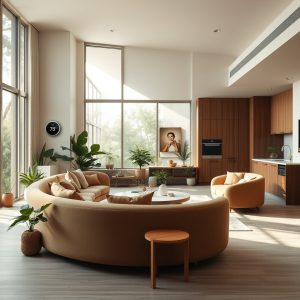
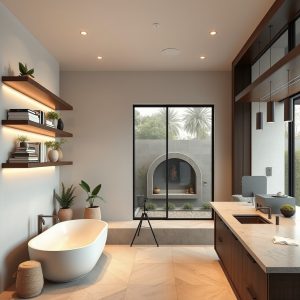
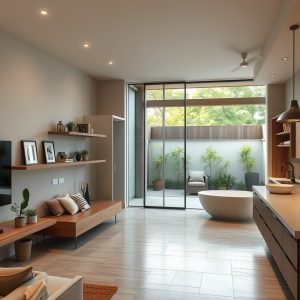
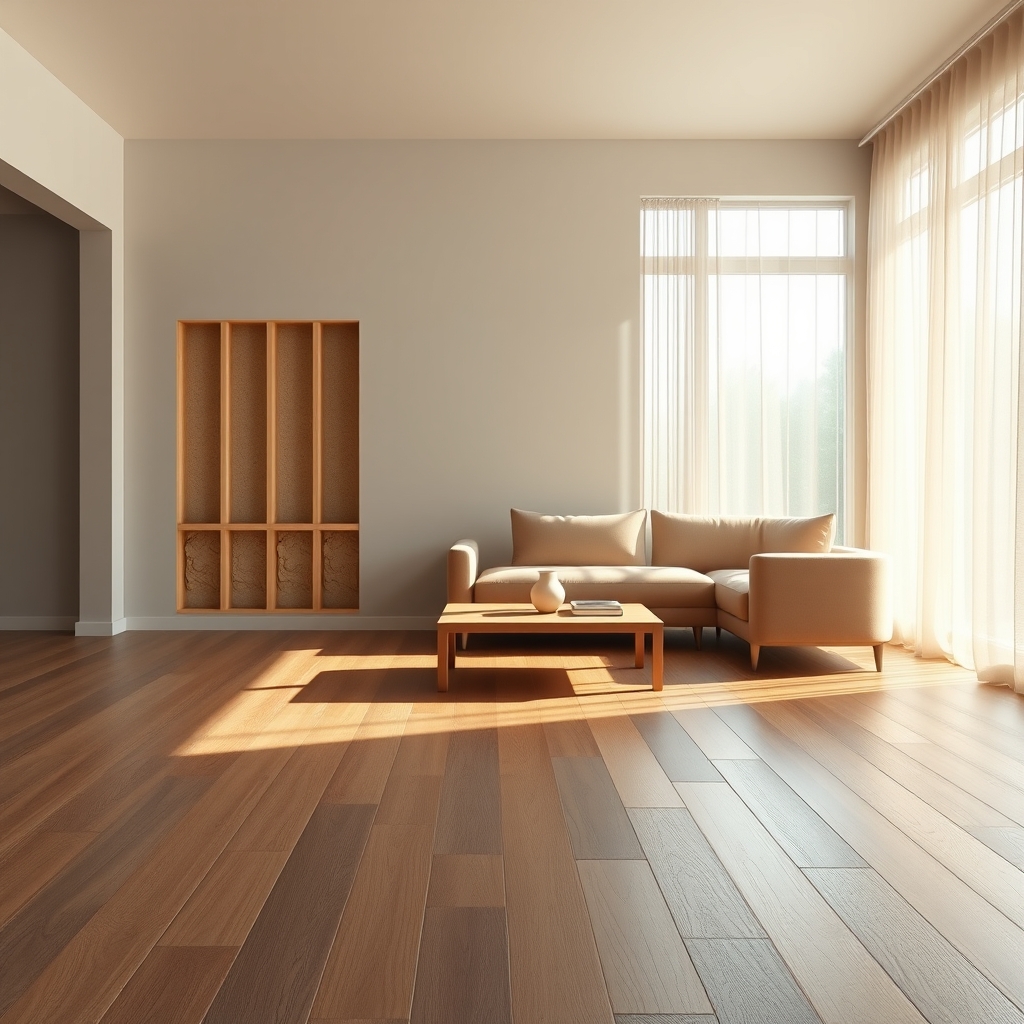
One of the most compelling aspects of radiant floor heating is its invisibility. Unlike bulky radiators or unsightly ductwork, radiant systems disappear into the structure of the home, leaving no trace of their presence. This allows architects and designers to create spaces that are clean, minimalist, and free from the visual clutter of traditional heating systems. Floors can be finished with a variety of materials—hardwood, tile, concrete, or even carpet—without compromising the system’s performance. The result is a home where comfort is felt, not seen, and where every design choice serves a purpose beyond aesthetics.
This philosophy extends to the broader concept of home design, where the goal is to create spaces that feel intuitive and effortless. Smart framing, with its emphasis on efficiency and sustainability, complements this vision by ensuring that the home’s structure is as thoughtful as its finishes. When combined with other innovations like acoustic insulation for soundproofing or energy recovery ventilators for fresh air, the result is a living environment that supports well-being in every sense. It’s a reminder that the best homes aren’t just built—they’re carefully crafted to enhance the lives of those who inhabit them, one silent, warm step at a time.
The shift toward radiant floor heating and smart framing reflects a broader evolution in how we think about home comfort. No longer is warmth something that’s forced into a space; it’s something that’s woven into the very fabric of the home, creating an environment that feels as good as it looks. As more homeowners seek solutions that are both practical and sustainable, these systems offer a glimpse into a future where comfort is seamless, energy is conserved, and every detail is designed with intention. The homes of tomorrow aren’t just built to last—they’re built to nurture, adapt, and inspire, long after the last nail is driven and the first floor is warmed.