Weaving Nature and Neighborhoods: The Rise of Green-Integrated Housing Layouts
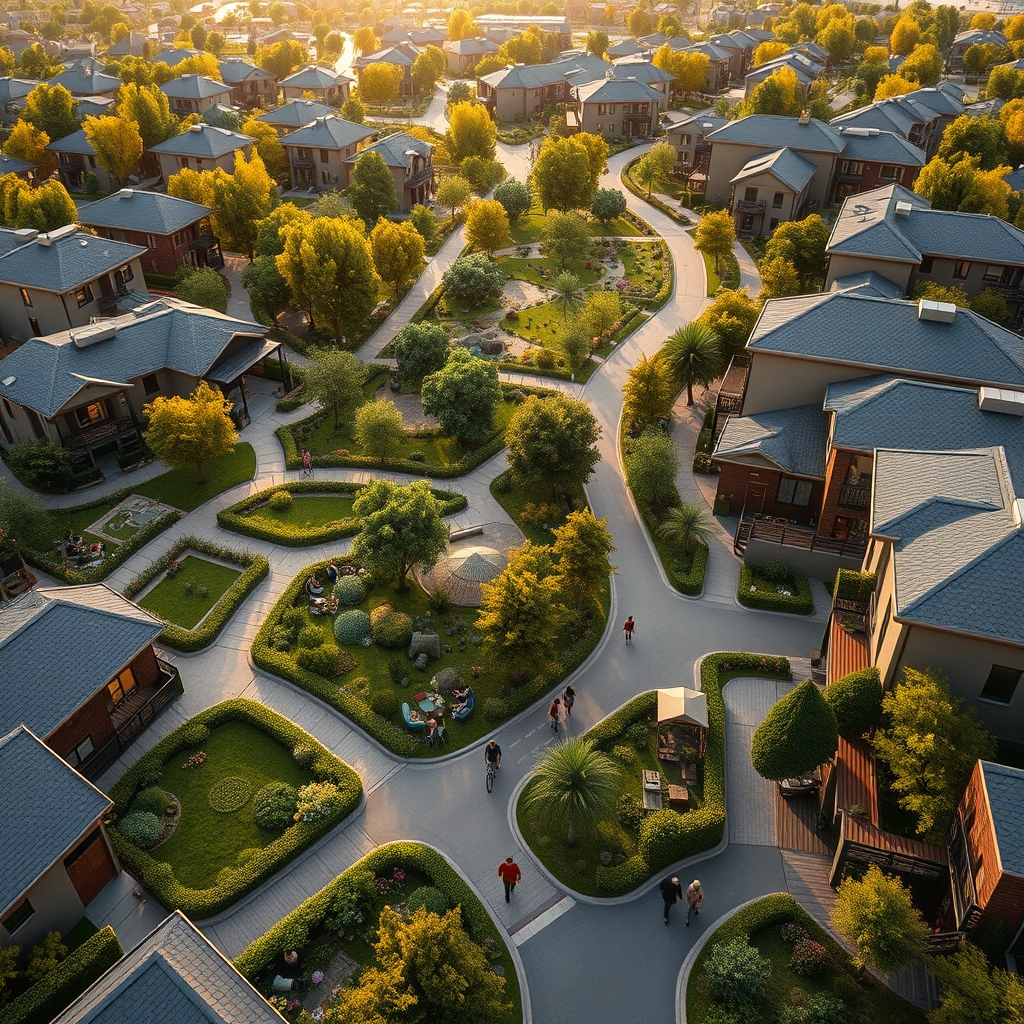
The way we design our neighborhoods is undergoing a quiet revolution, one that prioritizes the seamless integration of green spaces into the very fabric of residential living. No longer confined to isolated parks or distant nature reserves, these spaces are now being woven into housing layouts through innovative urban planning strategies. The result? Communities that breathe, connect, and thrive in harmony with their natural surroundings.
The Evolution of Green-Integrated Housing
Traditional housing layouts often treated green spaces as an afterthought—something to be added once the concrete and asphalt were already in place. However, modern urban planners are flipping this script by embedding nature into the core of neighborhood design. Concepts like Linear Green Ribbons and Sustainable Drainage Corridors are transforming how we think about residential spaces, ensuring that greenery is not just present but functional and accessible.
Linear Green Ribbons, for instance, are continuous stretches of vegetation that run through neighborhoods, acting as natural connectors between homes, schools, and commercial areas. These ribbons do more than just beautify; they serve as wildlife corridors, improve air quality, and provide shaded pathways for pedestrians and cyclists. Similarly, Sustainable Drainage Corridors are designed to manage stormwater naturally, reducing flooding risks while creating lush, biodiverse landscapes that residents can enjoy year-round.
Designing for Walkability and Community
At the heart of green-integrated housing is the idea of Walkable Streetscapes. These are neighborhoods where every destination—whether it’s a grocery store, a café, or a playground—is within a comfortable walking distance. By reducing reliance on cars, these layouts not only cut down on emissions but also foster a sense of community. When people walk, they interact. They stop to chat with neighbors, notice small details in their surroundings, and develop a deeper connection to the place they call home.
Pocket Neighborhood Layouts take this concept further by creating intimate clusters of homes centered around shared green spaces. These layouts encourage interaction among residents, as the design naturally brings people together in communal areas like gardens, courtyards, or small parks. The result is a neighborhood that feels more like an extended family than a collection of strangers.
Balancing Density with Open Space
One of the biggest challenges in modern urban planning is balancing density with the need for open space. High-density living can often feel cramped and impersonal, but innovative layouts like High Density Cluster Living and Perimeter Block Design are proving that it’s possible to create vibrant, densely populated communities without sacrificing green space.
High Density Cluster Living groups homes closely together, freeing up large areas for shared green spaces, playgrounds, or community gardens. This approach not only maximizes land use but also creates a sense of openness and connection to nature. Perimeter Block Design, on the other hand, arranges buildings around the edges of a block, enclosing a central courtyard or park. This design fosters a sense of security and community while ensuring that every resident has easy access to green space.
The Role of Mixed-Use Zoning
Mixed-use zoning is another key element in the green-integrated housing movement. By blending residential, commercial, and recreational spaces within the same neighborhood, planners can reduce the need for long commutes and create more dynamic, self-sustaining communities. Imagine living in a neighborhood where your home, workplace, and favorite café are all within a five-minute walk. This is the promise of mixed-use zoning, and it’s a game-changer for urban living.
Transit-Oriented Development (TOD) takes this idea even further by centering neighborhoods around public transportation hubs. By prioritizing walkability and reducing car dependency, TOD creates neighborhoods that are not only greener but also more equitable, as they provide easy access to jobs, services, and amenities for all residents.
Sustainability as a Core Principle
Sustainability is no longer an optional add-on in housing design—it’s a core principle. From Buffer Zone Landscaping that protects residential areas from noise and pollution to Micro District Planning that optimizes energy use and waste management, green-integrated housing layouts are designed with the environment in mind. These strategies don’t just benefit the planet; they also enhance the quality of life for residents by creating healthier, more resilient communities.
For example, Buffer Zone Landscaping uses trees, shrubs, and other vegetation to create natural barriers between residential areas and busy roads or industrial zones. This not only reduces noise and air pollution but also provides additional green space for residents to enjoy. Meanwhile, Micro District Planning focuses on creating small, self-sufficient neighborhoods where resources are shared and waste is minimized. This approach reduces the environmental footprint of a community while fostering a strong sense of local identity.
The Future of Green-Integrated Housing
As cities continue to grow and evolve, the demand for housing that prioritizes both people and the planet will only increase. The good news is that the tools and strategies to create these communities already exist. From Linear Green Ribbons to Pocket Neighborhood Layouts, the possibilities are endless. The key is to shift our mindset—to see green spaces not as luxuries but as essential components of healthy, vibrant neighborhoods.
The neighborhoods of the future will be those that embrace this shift, where every street, courtyard, and park is designed to bring people closer to nature and to each other. These are the places where communities will thrive, not just survive, and where the line between built environment and natural world blurs into something beautiful and harmonious. In these spaces, the air will feel fresher, the streets will feel safer, and the sense of belonging will be palpable. This is the promise of green-integrated housing, and it’s a future worth building toward.