The Subtle Luxury of Spa Bathrooms: Blending Biophilic Design with Smart Wellness Tech
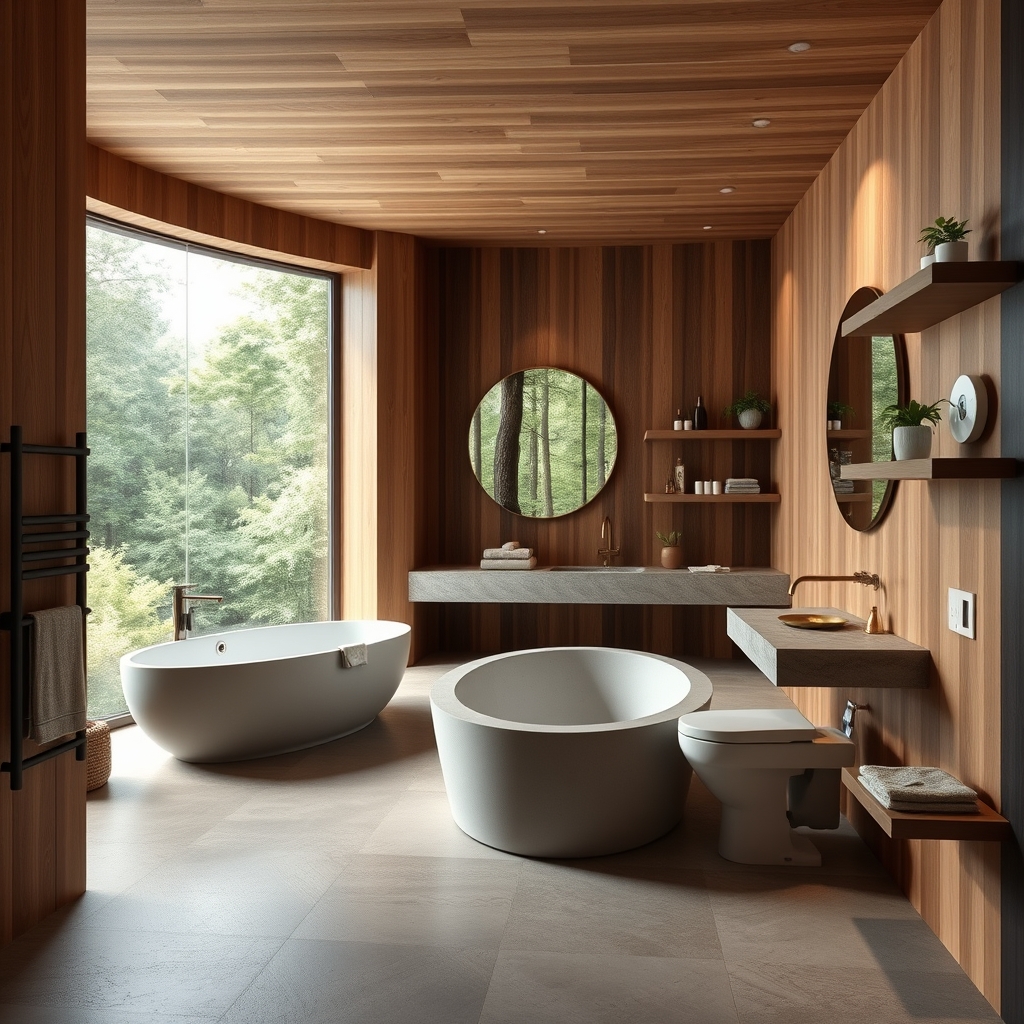
In the ever-evolving landscape of home design, the bathroom has transcended its utilitarian roots to become a sanctuary of relaxation and rejuvenation. The modern spa bathroom is no longer a distant dream reserved for luxury resorts; it’s an attainable reality that marries biophilic design with cutting-edge wellness technology. This fusion creates spaces that not only soothe the senses but also enhance well-being through thoughtful, sustainable, and intelligent design choices.
The Essence of Biophilic Design in Spa Bathrooms
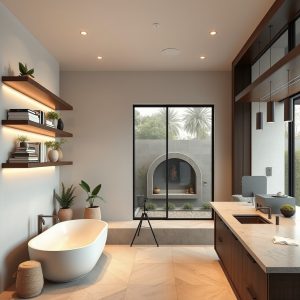
Biophilic design, the practice of connecting indoor spaces with nature, has become a cornerstone of contemporary bathroom aesthetics. The goal is to evoke the tranquility of a natural setting, fostering a sense of calm and balance. Earthy palettes dominate this approach, with warm terracotta, soft moss greens, and deep ocean blues creating a serene backdrop. These colors are often paired with natural materials like stone, wood, and clay, which add texture and depth to the space.
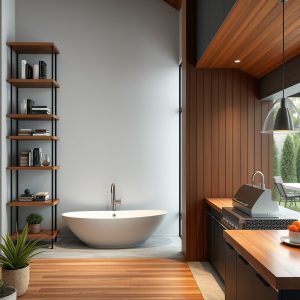
Wooden ceilings and walls, for instance, bring an organic warmth that contrasts beautifully with the coolness of marble or concrete. The use of mixed wood tones—ranging from light oak to rich walnut—adds visual interest while maintaining a cohesive, harmonious look. Textured surfaces, such as hand-scraped wood or rough-hewn stone, further enhance the tactile experience, inviting touch and grounding the space in nature’s imperfections.
Curved Furniture and Organic Shapes
The shift toward curved furniture and organic shapes in spa bathrooms is a direct response to the rigid lines of modern minimalism. Rounded vanities, oval mirrors, and arched doorways soften the space, creating a flow that mimics the natural world. These shapes are not only aesthetically pleasing but also promote a sense of comfort and ease, reducing the stress often associated with angular, high-pressure environments.
Floating shelves and hidden pantries play a dual role in this design philosophy. They maintain the clean lines of the space while providing practical storage solutions. By concealing clutter, they allow the natural elements and organic forms to take center stage, reinforcing the biophilic connection.
Smart Wellness Tech: Elevating the Spa Experience
While biophilic design sets the stage for relaxation, smart wellness technology elevates the spa bathroom into a high-tech haven. Smart bidets, for example, have evolved from a novelty to a must-have feature, offering customizable cleansing options, heated seats, and even air drying. These devices prioritize hygiene and comfort, aligning with the growing demand for personalized wellness solutions.
Smart thermostats and heated floors ensure the bathroom remains at the perfect temperature, regardless of the season. Imagine stepping onto a warm, radiant floor on a chilly morning or adjusting the room’s climate with a simple voice command. These technologies not only enhance comfort but also contribute to energy efficiency, a key consideration in sustainable home design.
Sustainable Materials and Ethical Choices
Sustainability is no longer an afterthought in home design; it’s a guiding principle. In spa bathrooms, this translates to the use of reclaimed wood, recycled glass, and low-VOC (volatile organic compound) paints. Aged metals, such as brass or copper, add a touch of vintage elegance while being durable and long-lasting. These materials not only reduce environmental impact but also create a unique, timeless aesthetic that resonates with modern heritage.
Water-saving fixtures, like low-flow showerheads and dual-flush toilets, are another hallmark of sustainable spa bathrooms. These innovations ensure that luxury doesn’t come at the expense of the planet, aligning with the values of eco-conscious homeowners.
The Evolution of Open Concept and Multi-Functional Spaces
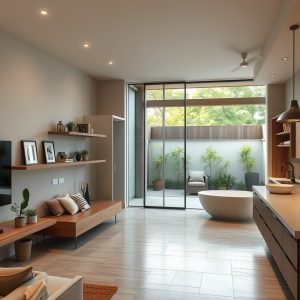
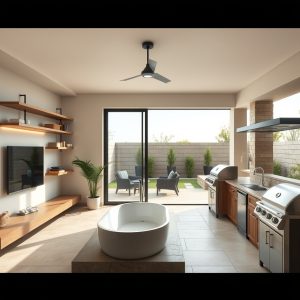
The concept of the spa bathroom has expanded beyond its traditional boundaries, often merging with other areas of the home. Open-concept designs that integrate the bathroom with the bedroom or dressing area create a seamless flow, blurring the lines between relaxation and daily routines. This evolution reflects a broader trend toward multi-functional rooms, where spaces adapt to the needs of the moment.
Kitchen zoning principles have also influenced bathroom design, with distinct areas for bathing, grooming, and relaxation. For example, a freestanding soaking tub might be positioned near a large window to take advantage of natural light, while a vanity area is tucked into a cozy nook for privacy. This thoughtful zoning ensures that each element of the bathroom serves a purpose while contributing to the overall harmony of the space.
Colour Drenching and Textured Surfaces
Colour drenching—a technique where a single hue is used across walls, ceilings, and even floors—has found its way into spa bathrooms, creating immersive, cocoon-like environments. Deep blues, soft greens, and warm neutrals envelop the space, enhancing the sense of tranquility. When paired with textured surfaces, such as matte tiles or woven textiles, the effect is both soothing and visually striking.
Textured surfaces also play a functional role in spa bathrooms. Non-slip tiles, for instance, ensure safety without compromising on style, while textured wall panels can add acoustic benefits, reducing echoes and creating a quieter, more serene atmosphere.
The modern spa bathroom is a testament to the power of design to transform everyday spaces into havens of well-being. By blending biophilic elements with smart technology, sustainable materials, and thoughtful layouts, these spaces offer more than just functionality—they provide a retreat from the chaos of daily life. Whether it’s the warmth of wooden ceilings, the convenience of a smart bidet, or the immersive calm of colour drenching, every detail is crafted to nurture the body, mind, and soul. In a world that moves at an ever-accelerating pace, the spa bathroom stands as a reminder of the importance of slowing down, reconnecting with nature, and prioritizing self-care in the most luxurious way possible.