The Heart of the Home: How Universal Design and Net Zero Innovations Create Spaces for All
The modern home is no longer just a shelter; it’s a dynamic ecosystem designed to adapt, sustain, and nurture its inhabitants through every stage of life. As our understanding of sustainability, accessibility, and technology evolves, so too does the way we build and live in our spaces. The convergence of Universal Design and Net Zero Homes is redefining what it means to create a home that is not only efficient but also inclusive, comfortable, and future-proof. These innovations are not just trends—they are the foundation of a new era in residential architecture, where every detail is intentional and every feature serves a purpose.
The Philosophy of Universal Design: Homes for Everyone
Universal Design is more than a set of guidelines; it’s a philosophy that prioritizes accessibility, usability, and inclusivity for people of all ages and abilities. The goal is to create spaces that are intuitive and accommodating without sacrificing aesthetics or functionality. This approach is particularly relevant in today’s world, where multigenerational living is on the rise, and aging in place is a growing priority for many homeowners.
Key principles of Universal Design include:
- Equitable Use: Features like step-free entrances, wide doorways, and lever-style handles ensure that the home is accessible to everyone, regardless of mobility or dexterity.
- Flexibility in Use: Adaptable spaces, such as open floor plans and modular furniture, allow the home to evolve with the needs of its occupants.
- Simple and Intuitive Design: Clear pathways, consistent layouts, and easy-to-use controls reduce cognitive load and make the home more user-friendly.
- Perceptible Information: Visual, auditory, and tactile cues—such as contrasting colors, non-slip surfaces, and smart home alerts—enhance safety and usability for all.
When Universal Design is integrated into a home from the outset, it eliminates the need for costly retrofits later. It also fosters a sense of independence and dignity for residents, whether they are young children, aging adults, or individuals with disabilities. The beauty of this approach lies in its invisibility; the best Universal Design features are so seamlessly incorporated that they enhance the home’s appeal without drawing attention to their purpose.
Net Zero Homes: Where Sustainability Meets Comfort
While Universal Design focuses on the people inside the home, Net Zero Homes prioritize the relationship between the home and the environment. A Net Zero Home produces as much energy as it consumes over the course of a year, thanks to a combination of energy-efficient design, renewable energy systems, and smart technology. These homes are not just environmentally responsible—they are also incredibly comfortable, healthy, and cost-effective to live in.
The foundation of a Net Zero Home lies in its ability to minimize energy demand while maximizing efficiency. This is achieved through several key strategies:
High-Performance Insulation and Smart Framing
Traditional framing methods often leave gaps and thermal bridges that allow heat to escape, leading to energy loss. Smart Framing techniques, such as advanced framing and structural insulated panels (SIPs), reduce material waste and improve thermal performance. Coupled with high-performance insulation—like spray foam, rigid foam boards, or cellulose—these methods create a tight building envelope that keeps indoor temperatures stable year-round. The result is a home that requires less energy to heat and cool, reducing both utility bills and carbon emissions.
Solar Roof Integration and Renewable Energy
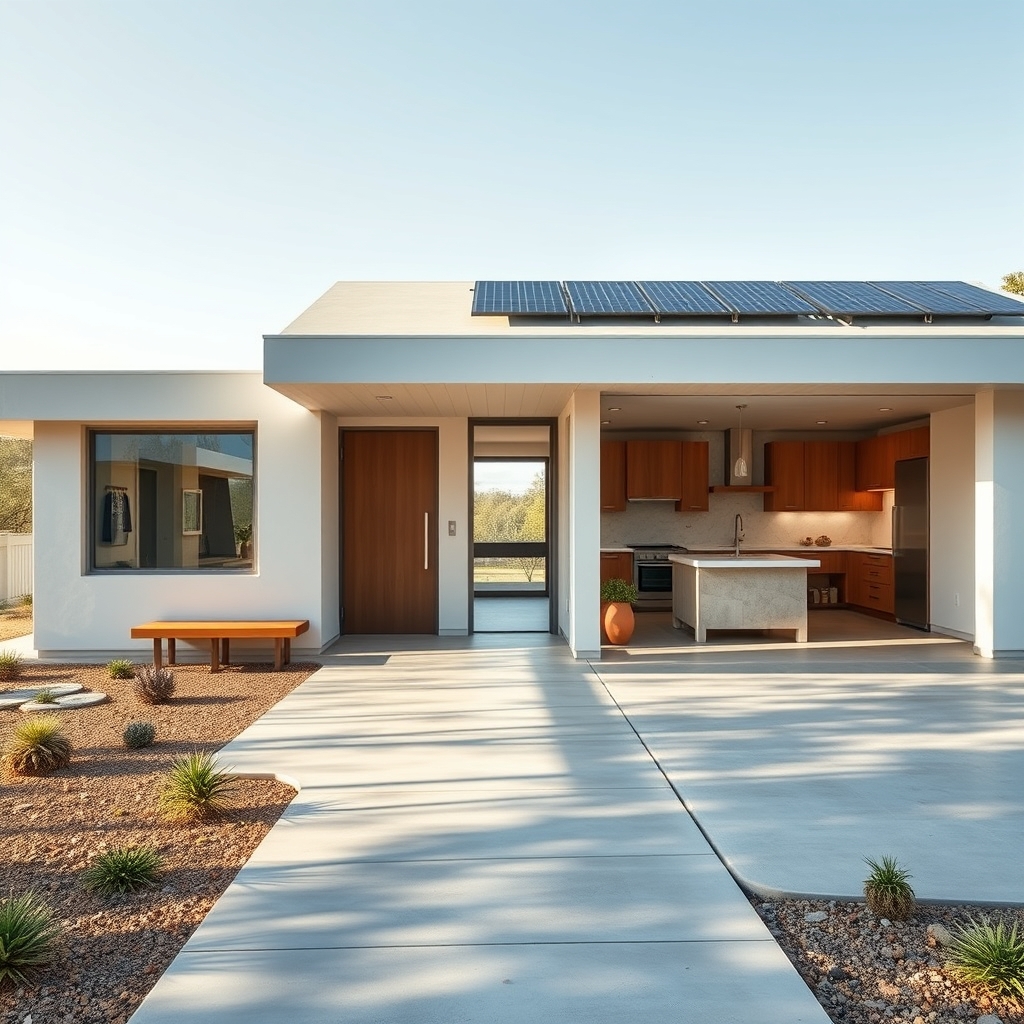
One of the most visible features of a Net Zero Home is its solar roof integration. Solar panels are no longer an afterthought; they are a design element that can enhance the home’s aesthetic while generating clean energy. Innovations like solar shingles and building-integrated photovoltaics (BIPV) allow homeowners to harness the sun’s power without compromising the roof’s appearance. When combined with battery storage systems, these homes can store excess energy for use during peak demand or power outages, further enhancing their resilience.
Energy Recovery Ventilators and Healthy Indoor Air
Airtight homes are energy-efficient, but they also require a way to maintain healthy indoor air quality. Energy Recovery Ventilators (ERVs) solve this problem by exchanging stale indoor air with fresh outdoor air while transferring heat and moisture between the two streams. This ensures a constant supply of clean air without sacrificing energy efficiency. ERVs are particularly beneficial in homes with healthy building materials, such as low-VOC paints, formaldehyde-free insulation, and non-toxic flooring, which reduce indoor air pollutants and create a healthier living environment.
Radiant Floor Heating and Passive Design
Comfort in a Net Zero Home goes beyond temperature control; it’s about creating a space that feels naturally inviting. Radiant floor heating provides even, consistent warmth without the drafts or noise associated with forced-air systems. This method is not only energy-efficient but also ideal for homes with Universal Design features, as it eliminates the need for bulky radiators or vents that can obstruct pathways.
Passive design strategies, such as strategic window placement, thermal mass materials, and cross-ventilated spaces, further enhance comfort by leveraging natural light and airflow. These techniques reduce the need for mechanical heating and cooling, lowering energy consumption while creating a more pleasant indoor environment.
Bridging the Gap: Where Universal Design Meets Net Zero
The true magic happens when Universal Design and Net Zero principles intersect. A home that is both accessible and sustainable is one that can adapt to the changing needs of its occupants while minimizing its environmental impact. For example, prefabricated modules can be designed with Universal Design features—such as adjustable countertops and roll-in showers—while also incorporating Net Zero technologies like solar panels and high-performance insulation. This modular approach not only speeds up construction but also ensures that the home is built to the highest standards of efficiency and inclusivity.
Another example is the integration of home automation hubs, which can be programmed to control lighting, temperature, and security systems with voice commands or mobile apps. These systems are particularly beneficial for individuals with mobility or cognitive challenges, as they allow for greater independence and ease of use. When paired with energy-efficient appliances and smart thermostats, home automation hubs can also optimize energy consumption, bringing the home closer to Net Zero performance.
Outdoor spaces are not overlooked in this holistic approach. Drought-tolerant landscaping and rainwater harvesting systems reduce water consumption while creating beautiful, low-maintenance gardens. These features are especially valuable in regions prone to water scarcity, where every drop counts. Additionally, electric vehicle charging stations can be installed in the garage or driveway, supporting sustainable transportation and future-proofing the home for the growing number of EV owners.
Custom Mudrooms and Multi-Generational Layouts
One of the most practical applications of Universal Design in a Net Zero Home is the custom mudroom. This space serves as a transitional area between the outdoors and indoors, providing storage for shoes, coats, and outdoor gear while also accommodating mobility aids like wheelchairs or walkers. A well-designed mudroom can include benches with storage underneath, hooks at varying heights, and non-slip flooring, making it functional for all family members.
Multi-generational layouts take this concept further by designing homes that can comfortably accommodate extended families. Features like first-floor primary suites, soundproofed acoustic insulation, and flexible living spaces ensure that everyone has their own private retreat while still fostering connection. These layouts are not only practical but also align with the principles of Net Zero living, as they reduce the need for multiple dwellings and promote shared resources.
The homes we build today are a reflection of our values—our commitment to sustainability, our respect for diversity, and our desire to create spaces that nurture both people and the planet. By embracing Universal Design and Net Zero innovations, we are not just constructing buildings; we are crafting environments that adapt, endure, and inspire. These homes are a testament to what is possible when we prioritize thoughtful design, cutting-edge technology, and a deep understanding of human needs. They remind us that the future of living is not about sacrifice or compromise, but about creating spaces that work for everyone, in every way.