The Psychology of Color: Why Sage Green and Dusty Rose Are Perfect for Relaxation
Colors have a profound impact on our emotions, behaviors, and even our physiological responses. While bold hues like red and yellow often dominate conversations about color psychology, softer, more muted tones like sage green and dusty rose are quietly revolutionizing the way we design spaces for relaxation. These colors, rooted in nature and subtlety, offer a soothing escape from the chaos of modern life. But what makes them so effective, and how can you incorporate them into your environment to maximize their calming effects?
The Science Behind Color Psychology
Color psychology is the study of how different hues influence human perception and behavior. Research suggests that colors can evoke specific emotional responses due to their associations with nature, culture, and even evolutionary biology. For example, blues and greens are often linked to tranquility because they mimic the sky, water, and foliage—elements that have historically signaled safety and abundance. Similarly, warm tones like pinks and roses can evoke feelings of comfort and warmth, reminiscent of sunsets or blooming flowers.
Sage green and dusty rose, in particular, strike a delicate balance between these emotional triggers. Sage green, with its grayish undertones, is neither too vibrant nor too dull, making it a versatile choice for spaces meant to inspire calm. Dusty rose, on the other hand, softens the intensity of traditional pink with a muted, earthy quality that feels gentle and inviting. Together, they create a harmonious palette that soothes the mind without overwhelming the senses.
Why Sage Green Promotes Relaxation
Sage green is often described as the color of renewal and balance. Its connection to nature—think of lush forests, fresh herbs, and serene landscapes—makes it inherently calming. Studies have shown that exposure to green hues can reduce stress levels, lower blood pressure, and even improve concentration. This is partly because green is perceived as a non-threatening color, one that signals safety and stability in our subconscious.
In interior design, sage green is frequently used in spaces where relaxation is a priority, such as bedrooms, bathrooms, and meditation rooms. Its muted tone allows it to blend seamlessly with other colors, making it an excellent choice for creating layered, textured environments. Whether used on walls, furniture, or decor accents, sage green adds a touch of organic elegance that invites stillness and reflection.
Where to Use Sage Green for Maximum Effect
- Bedrooms: Paint an accent wall in sage green to create a restful atmosphere that encourages deep sleep. Pair it with neutral linens and wooden furniture for a cozy, earthy feel.
- Bathrooms: Use sage green tiles or towels to transform your bathroom into a spa-like retreat. The color’s natural association with water enhances the sense of cleanliness and renewal.
- Home Offices: Incorporate sage green into your workspace to reduce stress and boost productivity. A sage green desk chair or curtains can add a touch of serenity without distracting from your tasks.
- Living Rooms: Opt for sage green throw pillows, rugs, or artwork to create a welcoming space for relaxation and conversation. The color’s versatility makes it easy to pair with other neutrals or warm tones.
The Gentle Power of Dusty Rose
Dusty rose is a softer, more sophisticated take on traditional pink. Unlike bright pinks, which can feel energetic or even overwhelming, dusty rose exudes warmth and comfort without being overly stimulating. This makes it an ideal choice for spaces where you want to foster a sense of intimacy and relaxation, such as bedrooms, nurseries, or cozy reading nooks.
Psychologically, dusty rose is associated with compassion, nurturing, and emotional healing. Its muted tone evokes feelings of nostalgia and tenderness, making it a popular choice for spaces meant to evoke a sense of safety and love. In color therapy, pink hues are often used to soothe anxiety and promote feelings of self-worth, which is why dusty rose is frequently recommended for environments where emotional well-being is a priority.
Where to Use Dusty Rose for Maximum Effect
- Nurseries: Dusty rose is a gender-neutral option that creates a warm, nurturing environment for babies. Use it on walls, bedding, or decor to foster a sense of security and comfort.
- Bedrooms: Pair dusty rose with soft whites or light grays for a dreamy, romantic atmosphere. The color’s warmth makes it perfect for creating a cozy, inviting space.
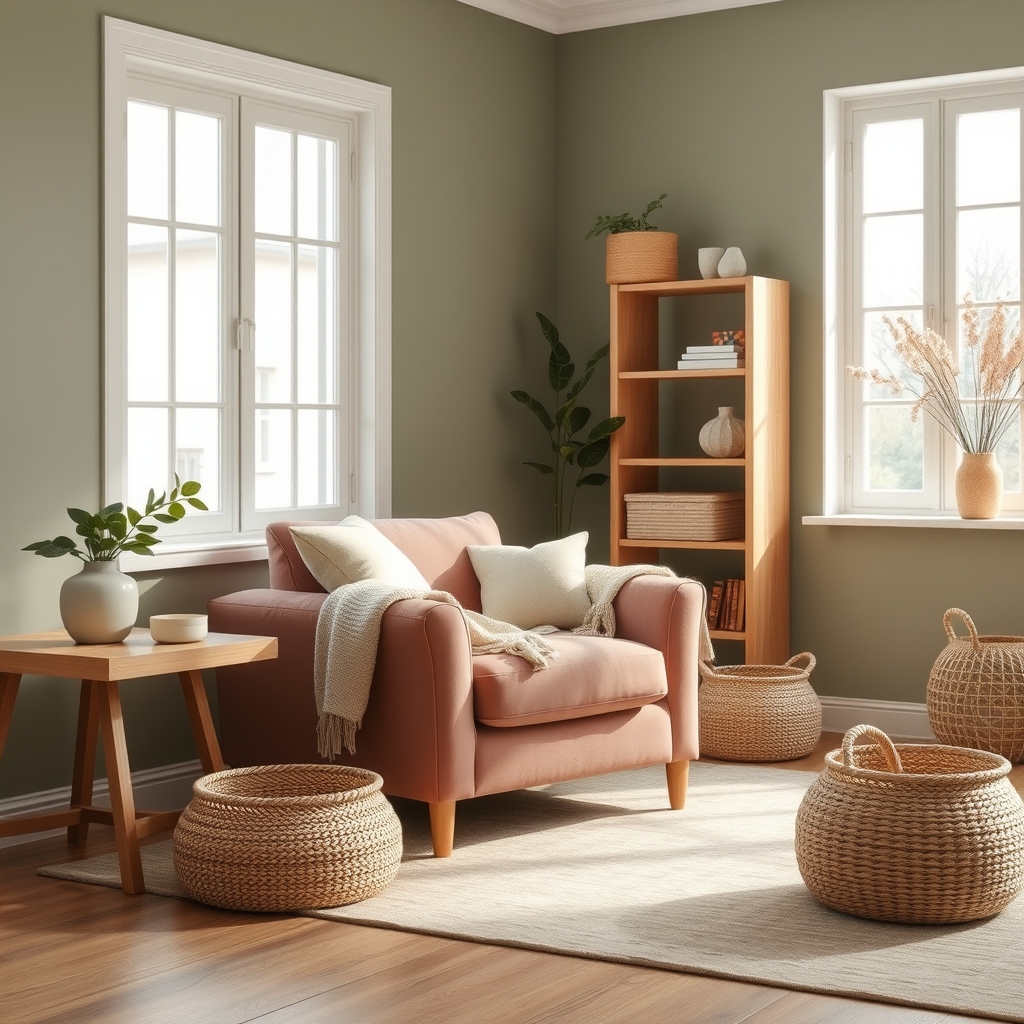
- Reading Nooks: Incorporate dusty rose into a reading corner with plush cushions, a soft throw blanket, and warm lighting. The color’s gentle energy encourages relaxation and focus.
- Dining Rooms: Use dusty rose table linens, dinnerware, or wall art to create a welcoming atmosphere for meals. The color’s warmth enhances the sense of togetherness and connection.
Combining Sage Green and Dusty Rose
While sage green and dusty rose are powerful on their own, their true magic lies in their ability to complement each other. Together, they create a balanced, harmonious palette that feels both grounding and uplifting. Sage green’s cool undertones provide a sense of stability, while dusty rose adds a touch of warmth and softness. This combination is perfect for spaces where you want to promote relaxation without sacrificing energy or personality.
To create a cohesive look, start with sage green as your base color. Use it on larger surfaces like walls or furniture to establish a calming foundation. Then, layer in dusty rose through accents like throw pillows, blankets, artwork, or small decor items. This approach allows you to enjoy the benefits of both colors without overwhelming the space. For a more dynamic look, consider adding natural textures like wood, linen, or rattan to enhance the organic feel of the palette.
Experiment with different shades and tones to find the perfect balance for your space. A darker sage green paired with a muted dusty rose can create a sophisticated, earthy look, while lighter shades can evoke a fresh, airy feel. Don’t be afraid to mix and match until you find a combination that resonates with you.
In a world that often feels fast-paced and overwhelming, the colors we surround ourselves with can make a significant difference in our well-being. Sage green and dusty rose offer a gentle yet powerful way to create spaces that nurture the mind, body, and soul. Whether you’re redesigning a single room or your entire home, these colors provide a timeless foundation for relaxation, inviting you to slow down, breathe deeply, and reconnect with what truly matters.