Breathing Life into Homes: The Synergy of Passive House Standards and Healthy Building Materials

In an era where the lines between technology, sustainability, and human-centric design blur more each day, the homes we build are no longer just shelters—they are living, breathing entities designed to nurture both their inhabitants and the planet. At the intersection of innovation and intention, two powerful concepts are leading the charge: Passive House Standards and Healthy Building Materials. Together, they are redefining what it means to live in a space that is not only energy-efficient but also profoundly attuned to the well-being of those who call it home.
The Philosophy Behind Passive House Standards
Passive House Standards are not just a set of guidelines; they represent a paradigm shift in how we approach residential design. Originating in Germany in the late 1980s, the Passive House (or Passivhaus) concept is built on the principle of creating structures that require minimal energy for heating and cooling, while maintaining exceptional indoor comfort. The core tenets—airtight construction, superior insulation, high-performance windows, and heat recovery ventilation—work in harmony to reduce a home’s energy demand by up to 90% compared to conventional buildings.
What sets Passive House apart is its relentless focus on performance. Unlike traditional green building certifications that may prioritize individual features, Passive House is a holistic system where every component is meticulously designed to work together. The result? Homes that are not only ultra-efficient but also remarkably comfortable, with consistent temperatures, excellent air quality, and a near-silent indoor environment. It’s a level of refinement that transforms the way we experience our living spaces.
The Role of Healthy Building Materials
While energy efficiency is a cornerstone of Passive House design, the materials used to achieve it are equally critical. Healthy building materials go beyond sustainability—they prioritize the health of occupants by minimizing exposure to toxins, allergens, and volatile organic compounds (VOCs). Traditional construction materials, such as certain paints, adhesives, and insulation, can off-gas harmful chemicals for years, contributing to poor indoor air quality and a range of health issues, from respiratory problems to headaches and fatigue.
In contrast, healthy building materials are selected for their low or zero VOC content, natural origins, and non-toxic properties. Examples include:
- Natural Insulation: Materials like sheep’s wool, cellulose (made from recycled paper), and cork provide excellent thermal performance without the harmful chemicals found in some synthetic insulations.
- Non-Toxic Paints and Finishes: Water-based, plant-derived, or mineral-based paints eliminate the off-gassing associated with conventional options.
- Sustainable Wood: FSC-certified wood, reclaimed lumber, and bamboo are not only eco-friendly but also free from the formaldehyde found in some engineered wood products.
- Healthy Flooring: Options like cork, linoleum (made from linseed oil), and sustainably sourced hardwood avoid the PVC and phthalates common in vinyl flooring.
When combined with Passive House principles, these materials create a home environment that is not only energy-efficient but also conducive to long-term health and well-being.
The Synergy of Passive House and Healthy Materials
The true magic happens when Passive House Standards and healthy building materials converge. Airtight construction, a hallmark of Passive House design, can sometimes lead to concerns about indoor air quality if not properly managed. However, when paired with non-toxic materials and a robust Energy Recovery Ventilator (ERV), the result is a home that continuously circulates fresh, filtered air while maintaining optimal humidity and temperature levels. This synergy ensures that efficiency does not come at the expense of health—in fact, it enhances it.
Consider the example of radiant floor heating, a system that is highly compatible with Passive House design. Unlike forced-air systems, which can circulate dust and allergens, radiant heating provides gentle, even warmth without disrupting indoor air quality. When installed in a home built with healthy materials, it becomes part of a larger ecosystem that prioritizes comfort, health, and sustainability.
Designing for the Future: Multi-Generational and Adaptive Spaces
The principles of Passive House and healthy materials are not just about creating efficient, toxin-free homes—they are also about designing spaces that adapt to the evolving needs of their occupants. Multi-generational layouts are a growing trend, as families seek to accommodate aging parents, adult children, or extended relatives under one roof. These designs emphasize flexibility, accessibility, and privacy, often incorporating features like:
- Universal Design Elements: Wider doorways, no-step entries, and accessible bathrooms ensure that homes are welcoming to people of all ages and abilities.
- Modular Spaces: Rooms that can serve multiple purposes—such as a guest room that doubles as a home office—maximize functionality without sacrificing comfort.
- Acoustic Insulation: Soundproofing materials create quiet zones, allowing for privacy and tranquility in shared living spaces.
When these design elements are paired with Passive House efficiency and healthy materials, the result is a home that is not only sustainable and comfortable but also deeply attuned to the needs of its inhabitants. It’s a space that grows and evolves alongside the people who live in it, offering a sense of security and belonging that transcends the physical structure.
The Aesthetic of Well-Being
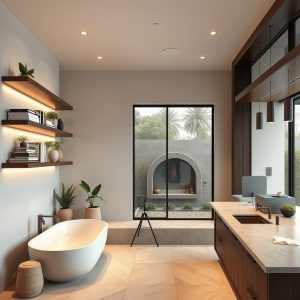
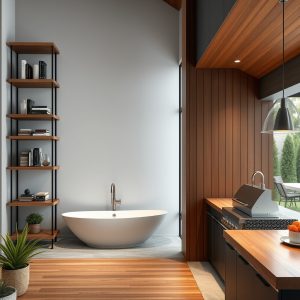
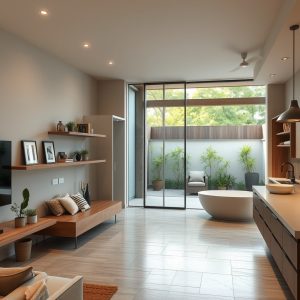
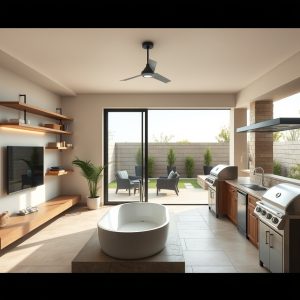
One of the most compelling aspects of Passive House design and healthy materials is their ability to elevate the aesthetic of a home. There’s a common misconception that sustainable design must look utilitarian or stark, but the reality is quite the opposite. The use of natural materials like wood, stone, and clay brings warmth and texture to interiors, while the clean lines and thoughtful layouts of Passive House design create a sense of calm and order. The result is a home that feels as good as it looks—inviting, harmonious, and deeply connected to the natural world.
Minimalist architecture, another key trend in modern home design, aligns beautifully with these principles. By stripping away unnecessary clutter and focusing on essential elements, minimalist homes create spaces that are both functional and serene. When combined with Passive House efficiency and healthy materials, minimalism becomes more than an aesthetic choice—it’s a lifestyle that prioritizes simplicity, sustainability, and well-being.
As we look to the future of home design, the integration of Passive House Standards and healthy building materials offers a blueprint for spaces that are not only kind to the planet but also nurturing to the people who inhabit them. These homes are more than just structures; they are sanctuaries that support our health, inspire our creativity, and connect us to the world around us. In a time when the boundaries between work, life, and nature are increasingly fluid, the homes we build must reflect our deepest values—efficiency, health, and harmony. And perhaps, in doing so, they will remind us that the most advanced technology is not the one that dazzles the eye, but the one that quietly enriches our lives, one breath at a time.