The Rhythm of Modern Heritage: How Curved Furniture, Earthy Palettes, and Smart Zoning Create Homes That Move With You

There’s a quiet revolution unfolding in the way we design our homes—one that marries the timeless allure of heritage with the fluid demands of contemporary living. It’s not about stark minimalism or maximalist clutter, but something far more intuitive: spaces that adapt, breathe, and evolve alongside us. At the heart of this movement lies a careful orchestration of curved furniture, earthy palettes, and smart zoning, transforming static rooms into dynamic sanctuaries that feel as alive as the people who inhabit them.
The Soft Power of Curved Furniture
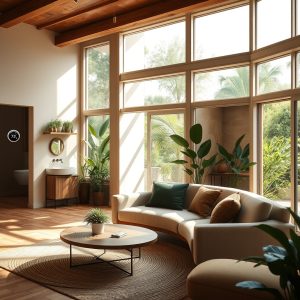
Gone are the days when sharp angles and rigid lines dominated interior design. Today, curved furniture is redefining the way we experience space, introducing a sense of movement and warmth that linear forms simply cannot replicate. A rounded sofa, an arched bookshelf, or a sinuously shaped coffee table doesn’t just occupy a room—it shapes it, guiding the eye and body in a gentle, continuous flow. These organic silhouettes echo the natural world, where few things are truly straight, and in doing so, they create an atmosphere of effortless comfort.
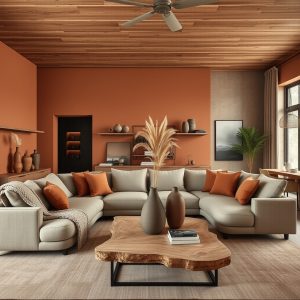
But the appeal of curved furniture goes beyond aesthetics. Psychologically, rounded edges are perceived as more welcoming and less aggressive, making them ideal for spaces where relaxation and connection are paramount. In open-concept living areas, a curved sectional can subtly delineate a seating zone without the need for walls or dividers, preserving the airy feel of the space while adding a layer of intimacy. When paired with earthy palettes—think warm terracottas, muted olives, or deep ochres—these pieces ground the room in a sense of timelessness, evoking the enduring beauty of nature and heritage.
The Earthy Palette: A Foundation of Serenity
Color has always been a powerful tool in design, but the shift toward earthy palettes represents more than just a trend—it’s a return to the fundamentals of human comfort. These hues, drawn from the natural world, have an innate ability to soothe the mind and elevate the spirit. Unlike the cold, sterile whites of modernism or the jarring brightness of some contemporary schemes, earthy tones—such as clay, moss, slate, and sand—create a backdrop that feels both nurturing and sophisticated.
The magic of an earthy palette lies in its versatility. It serves as a neutral foundation that allows other design elements, like textured surfaces or aged metals, to shine without overwhelming the senses. In a living room, a deep umber wall can make a statement while still feeling understated, while a kitchen clad in soft sage cabinetry exudes warmth without sacrificing elegance. When layered with natural materials like wood, stone, or linen, these colors deepen the connection to the outdoors, reinforcing the principles of biophilic design—a philosophy that recognizes our innate need to be close to nature.
The Art of Smart Zoning: Function Meets Fluidity
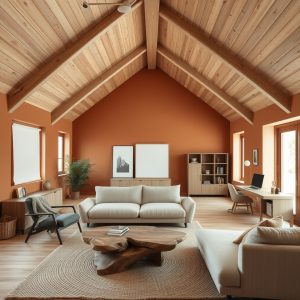
As our lives become increasingly multifaceted, so too must our homes. The rigid separation of rooms is giving way to smart zoning—a design approach that carves out distinct areas within open spaces without sacrificing flow or flexibility. This is where the true genius of modern heritage design comes into play. By using furniture, lighting, and material changes to define zones, we can create homes that adapt to our ever-changing needs.
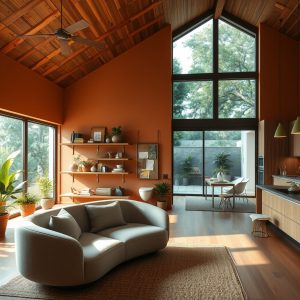
Consider the modern kitchen, where kitchen zoning has become an art form. A large island might serve as both a prep station and a casual dining area, while a strategically placed rug and pendant lighting can transform a corner into a cozy breakfast nook. In open-concept living spaces, a curved sofa can anchor a seating area, while a console table or bookshelf behind it subtly signals the transition to a dining or workspace. The key is to maintain a sense of cohesion—using consistent materials, colors, or textures—so that each zone feels like part of a harmonious whole rather than an isolated fragment.
Smart zoning isn’t just about functionality; it’s about creating a rhythm within the home. Just as a piece of music has verses and choruses, a well-zoned space has areas of activity and areas of rest, guiding inhabitants through their daily routines with ease and intention. When combined with multi-functional rooms, this approach ensures that every square foot serves a purpose, whether it’s a guest room that doubles as a home office or a living area that transforms into an entertainment space for gatherings.
Materials That Tell a Story
In the pursuit of modern heritage, the materials we choose play a starring role. Sustainable materials like reclaimed wood, bamboo, and cork are not only eco-friendly but also carry a sense of history and authenticity. A wooden ceiling with visible grain, for example, adds warmth and character to a space, while aged metals—such as brass, copper, or wrought iron—introduce a touch of patina that speaks of time and craftsmanship. These elements don’t just decorate a room; they infuse it with soul, creating a narrative that feels deeply personal.
Texture, too, is a critical component of this design philosophy. Textured surfaces—whether in the form of a rough-hewn stone countertop, a nubby wool throw, or a handwoven rug—add depth and tactility to a space, inviting touch and engagement. In a world where so much of our lives are spent in the digital realm, these tactile experiences ground us, reminding us of the physicality of our surroundings. When paired with the soft curves of furniture and the muted tones of an earthy palette, they create a sensory-rich environment that feels both modern and timeless.
The Future of Home: Where Heritage Meets Innovation
The most compelling aspect of modern heritage design is its ability to evolve without losing sight of its roots. It’s a philosophy that embraces innovation—whether through smart bidets that elevate bathroom hygiene, smart thermostats that optimize energy use, or hidden pantries that maximize kitchen efficiency—while staying true to the principles of warmth, authenticity, and connection. This balance is what makes it so enduring.
As we look to the future, the homes we create will continue to reflect our desire for spaces that are not only beautiful but also meaningful. By blending the organic forms of curved furniture with the grounding hues of earthy palettes and the intelligent functionality of smart zoning</, we craft environments that move with us, adapt to us, and ultimately, feel like home. It’s not about chasing trends or adhering to rigid rules; it’s about designing spaces that resonate with our deepest sense of comfort and belonging, where every element has a purpose and every detail tells a story. In this way, modern heritage becomes more than a style—it becomes a way of living.