The Quiet Revolution: How Aged Metals and Smart Bidets Are Redefining Luxury in Modern Homes

Luxury in home design is no longer just about opulence—it’s about intentionality, sustainability, and the seamless fusion of form and function. As we move deeper into an era where technology and tradition coexist, two unexpected trends are taking center stage: aged metals and smart bidets. These elements, though seemingly disparate, share a common thread—they elevate everyday living by blending timeless craftsmanship with cutting-edge innovation. The result? Spaces that feel both rooted in history and effortlessly modern.
The Allure of Aged Metals: A Nod to Modern Heritage
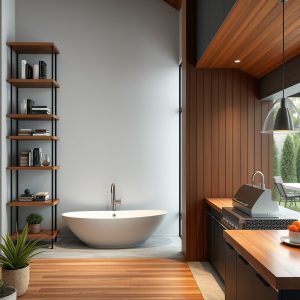
Aged metals—think brushed brass, oxidized copper, and weathered steel—are experiencing a renaissance in interior design. Unlike their polished counterparts, these finishes carry a sense of history, their patinas telling stories of time and use. They bridge the gap between modern heritage and contemporary aesthetics, offering warmth and character that pristine surfaces often lack.
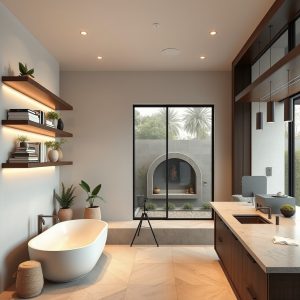
In kitchens, aged brass cabinet handles or faucets add a layer of sophistication, their muted tones complementing earthy palettes and mixed wood tones. In bathrooms, oxidized copper sinks or shower fixtures introduce an organic, almost sculptural quality, turning functional spaces into works of art. The beauty of aged metals lies in their imperfections—each scratch, each variation in tone, contributes to a lived-in elegance that feels both authentic and refined.
Designers are increasingly pairing aged metals with other textured surfaces, such as rough-hewn stone or handwoven textiles, to create depth and contrast. The interplay between these materials not only enhances visual interest but also reinforces the connection to nature, a cornerstone of biophilic design. When used thoughtfully, aged metals don’t just decorate a space—they anchor it in a narrative of craftsmanship and sustainability.
Smart Bidets: The Unlikely Star of Spa Bathrooms
If aged metals bring a sense of history to modern homes, smart bidets represent the future of personal wellness. Once considered a niche luxury, bidets are now a staple in spa bathrooms, thanks to their ability to combine hygiene, comfort, and smart technology. The latest models go beyond basic functionality, offering features like heated seats, customizable water pressure, and even AI-powered health monitoring.
The integration of smart bidets into bathroom design reflects a broader shift toward wellness-focused living. Homeowners are no longer satisfied with purely aesthetic upgrades; they want spaces that enhance their daily routines. A bidet with a nightlight, for example, adds a layer of convenience, while built-in deodorizers and self-cleaning nozzles ensure a consistently fresh experience. These features align perfectly with the principles of spa bathrooms, where every detail is designed to promote relaxation and rejuvenation.
What’s particularly fascinating about smart bidets is their ability to blend seamlessly into modern interiors. Sleek, minimalist designs ensure they don’t disrupt the flow of a space, while their advanced functionality makes them a practical addition to any home. For those embracing warm minimalism, a smart bidet is the perfect example of how technology can enhance rather than complicate our lives.
Designing for the Future: Where Aged Metals and Smart Bidets Meet
The magic happens when aged metals and smart bidets converge in a single space. Imagine a bathroom where a weathered steel vanity contrasts with the smooth, futuristic lines of a bidet. The aged metal grounds the design in tradition, while the smart bidet propels it into the future. This juxtaposition creates a dynamic tension, one that feels both timeless and innovative.
Kitchen zoning is another area where these trends can shine. A hidden pantry with aged brass hardware can store smart appliances, like a bidet toilet seat for a guest bathroom, blending practicality with elegance. The key is to strike a balance—using aged metals to add warmth and texture, while smart technology enhances functionality without overwhelming the space.
Sustainability and Sensibility: The Core of Modern Luxury
At the heart of these trends is a commitment to sustainability. Aged metals, often sourced from reclaimed materials, reduce the need for new mining and manufacturing. Smart bidets, meanwhile, promote water conservation and reduce reliance on disposable hygiene products. Together, they represent a shift toward mindful consumption, where luxury is measured not by excess, but by thoughtfulness.
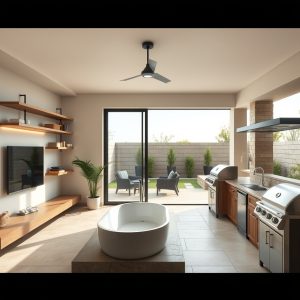
This approach extends to other aspects of home design, from the use of sustainable materials like bamboo or reclaimed wood to the incorporation of energy-efficient smart thermostats. Even outdoor kitchens are getting a sustainable makeover, with designers opting for durable, low-maintenance materials that withstand the elements while minimizing environmental impact.
As we redefine what luxury means in the modern home, it’s clear that the most compelling spaces are those that honor the past while embracing the future. Aged metals and smart bidets may seem like unlikely bedfellows, but together, they offer a blueprint for living that is as rich in character as it is in innovation. The result is a home that doesn’t just look beautiful—it feels alive, responsive, and deeply personal, a sanctuary where every detail has been carefully considered to enhance the way we live.