The Symbiotic City: How Shared Co-Working Spaces and Eco-Friendly Drainage Are Cultivating Collaborative Urban Ecosystems
Cities are no longer just concrete jungles; they are evolving into dynamic ecosystems where human collaboration and environmental stewardship intertwine. At the heart of this transformation lies a powerful synergy between shared co-working spaces and eco-friendly drainage systems, two innovations that are redefining urban living. These elements are not just complementary—they are symbiotic, fostering communities that thrive on connection while minimizing their ecological footprint.
The Rise of Shared Co-Working Spaces: More Than Just Desks
Shared co-working spaces have transcended their origins as mere alternatives to traditional offices. They have become vibrant hubs of creativity, collaboration, and community-building. In walkable neighborhoods, these spaces are strategically located to reduce commute times, encourage active transportation, and foster a sense of belonging. Unlike isolated corporate offices, co-working spaces are designed to be inclusive, welcoming freelancers, entrepreneurs, remote workers, and even local residents who seek a productive environment outside their homes.
The magic of these spaces lies in their ability to break down silos. A graphic designer might collaborate with a sustainability consultant on a project to promote urban foraging zones, while a software developer could partner with a local nonprofit to create an app for neighborhood composting centers. The cross-pollination of ideas in these environments sparks innovation, turning cities into laboratories for sustainable solutions. Moreover, many co-working spaces are now integrating green design principles, such as solar-powered commons, vertical residential gardens, and energy-efficient lighting, further aligning with the ethos of eco-conscious urbanism.
Designing for Connection and Sustainability
The most successful co-working spaces are those that prioritize both human interaction and environmental responsibility. Open floor plans, communal kitchens, and event spaces encourage spontaneous conversations and networking, while features like native plant landscaping and permeable pavement create a healthier, more sustainable environment. Some spaces even incorporate rain gardens or microclimate cooling zones to mitigate urban heat islands, demonstrating how design can serve both people and the planet.
Beyond their physical design, co-working spaces are also leveraging technology to enhance sustainability. Smart street lighting, decentralized energy grids, and waste segregation hubs are becoming standard in many modern co-working hubs. These technologies not only reduce operational costs but also serve as educational tools, inspiring members to adopt similar practices in their own lives. For instance, a co-working space powered by a decentralized energy grid might host workshops on how residents can implement similar systems in their homes, creating a ripple effect of sustainable behavior.
Eco-Friendly Drainage: The Unsung Hero of Urban Resilience
While co-working spaces foster human connection, eco-friendly drainage systems are quietly revolutionizing how cities manage water. Traditional urban drainage relies on impermeable surfaces like concrete and asphalt, which funnel rainwater into overburdened sewer systems, leading to flooding, pollution, and strained infrastructure. In contrast, eco-friendly drainage solutions—such as permeable pavement, rain gardens, and bioswales—mimic natural hydrological processes, allowing water to infiltrate the ground where it falls.
Permeable pavement, for example, is designed with porous materials that let rainwater seep through, reducing runoff and replenishing groundwater supplies. This not only alleviates pressure on urban sewer systems but also filters pollutants, improving water quality. Similarly, rain gardens—shallow depressions planted with native vegetation—capture and absorb stormwater, preventing erosion and creating habitats for local wildlife. When strategically placed in community pocket parks or along bicycle transit lanes, these features enhance the aesthetic and ecological value of urban spaces.
The Intersection of Drainage and Community
Eco-friendly drainage is not just a technical solution; it is a community-building tool. Projects like rain gardens and bioswales often involve local residents in their planning and maintenance, fostering a sense of ownership and pride. In some cities, neighborhood composting centers have partnered with drainage initiatives to create closed-loop systems, where organic waste is composted and used to nourish the plants in rain gardens. This holistic approach not only improves urban resilience but also strengthens social bonds.
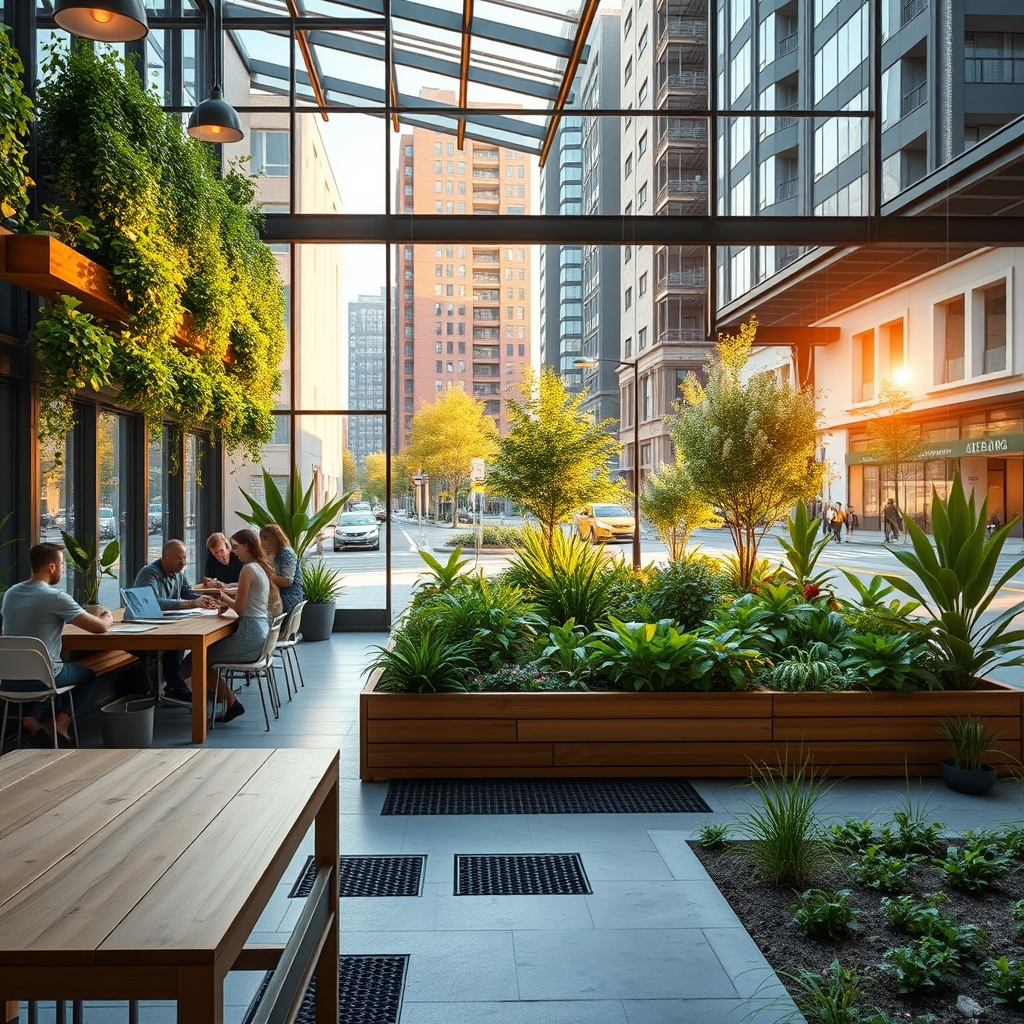
Moreover, eco-friendly drainage systems can be integrated into shared co-working spaces to create multifunctional urban environments. Imagine a co-working hub with a courtyard featuring permeable pavement and a rain garden, where members can work outdoors while surrounded by greenery. Such spaces not only reduce the urban heat island effect but also provide a tranquil setting for creativity and collaboration. The synergy between these elements transforms cities into living ecosystems, where every component serves multiple purposes.
Cultivating a Symbiotic Urban Future
The fusion of shared co-working spaces and eco-friendly drainage is a testament to the power of integrated urban design. These innovations demonstrate that sustainability and community are not mutually exclusive but rather mutually reinforcing. By designing cities that prioritize both human connection and ecological health, we can create environments where people and nature thrive together. The symbiotic city is not a distant dream—it is a reality being built today, one shared space and one rain garden at a time.
As urban populations continue to grow, the need for such holistic solutions becomes increasingly urgent. The cities of the future will be those that embrace this symbiosis, where every street, park, and building contributes to a larger ecosystem of sustainability and collaboration. In this vision, co-working spaces and eco-friendly drainage are not just features of the urban landscape—they are the foundation of a new way of living, one that is resilient, inclusive, and deeply connected to the natural world.