The Modern Home as a Sanctuary of Tactile Storytelling: How Earthy Palettes, Aged Metals, and Hidden Pantries Craft a Narrative of Comfort and Innovation
The modern home is no longer just a place of shelter; it has evolved into a canvas where every texture, hue, and hidden detail tells a story. It’s a space where the warmth of mixed wood tones meets the raw elegance of aged metals, where the boldness of colour drenching coexists with the quiet sophistication of hidden pantries. This is the essence of tactile storytelling—a design philosophy that transforms living spaces into immersive experiences, blending heritage with innovation to craft environments that feel both timeless and cutting-edge.
The Alchemy of Earthy Palettes
Earthy palettes are the foundation of this narrative, grounding spaces in a sense of natural harmony. Think of the deep, muted greens of sage, the warm terracotta of sun-baked clay, or the soft, sandy beiges that evoke sunlit shores. These hues do more than just decorate; they create an emotional resonance, a connection to the earth that feels both primal and refined. When paired with the organic textures of linen, jute, or handwoven wool, they transform a room into a sanctuary of sensory comfort. The key lies in layering—combining matte finishes with subtle sheens, rough textures with smooth surfaces—to build depth and intrigue without overwhelming the senses.
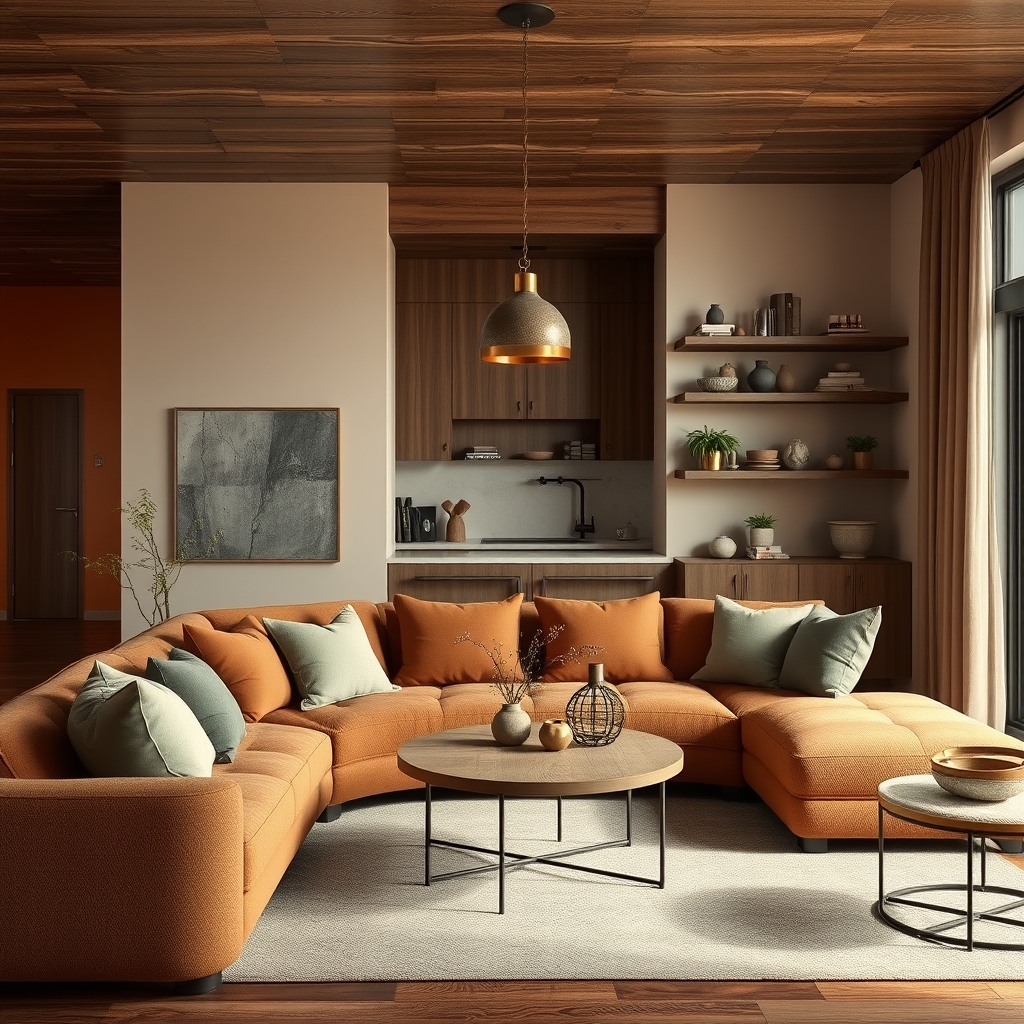
In a living room, for instance, a deep ochre sofa might anchor the space, while a scattering of throw pillows in varying shades of moss and slate adds dimension. A coffee table crafted from reclaimed wood, its surface worn by time, introduces a tactile contrast to the sleek lines of a modern sideboard. The result is a space that feels lived-in yet intentional, where every element contributes to a cohesive story of warmth and authenticity.
The Timeless Allure of Aged Metals
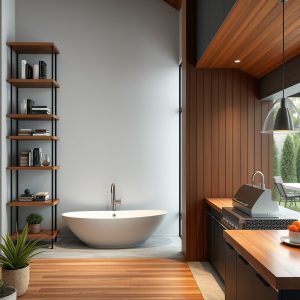
Aged metals—brass, copper, iron—bring a touch of industrial poetry to modern interiors. Unlike their polished counterparts, these metals carry the marks of time, their patinas telling stories of oxidation and use. A brass pendant light, its surface mottled with verdigris, casts a warm, diffused glow that softens the edges of a room. Copper cookware displayed on open shelving adds a rustic charm to a kitchen, while wrought-iron hardware on cabinetry lends an artisanal touch. These elements don’t just decorate; they dialogue with the space, creating a sense of history that feels both personal and universal.
The beauty of aged metals lies in their ability to bridge the gap between old and new. In a contemporary kitchen, a copper range hood can serve as a striking focal point, its rich tones complementing the cool elegance of marble countertops. In a bathroom, brass fixtures—faucets, towel racks, even a freestanding tub—add a layer of luxury that feels effortlessly timeless. When paired with earthy palettes, these metals enhance the natural warmth of the space, creating a harmonious balance between ruggedness and refinement.
The Art of Concealment: Hidden Pantries and Floating Shelves
In the modern home, functionality is as much about what you don’t see as what you do. Hidden pantries and floating shelves are the unsung heroes of seamless design, offering storage solutions that are as elegant as they are practical. A hidden pantry, concealed behind a sleek panel or integrated into a kitchen island, keeps clutter out of sight while maintaining the clean lines of the space. It’s a nod to the past—think of the secret larders of old English manors—reimagined for contemporary living.
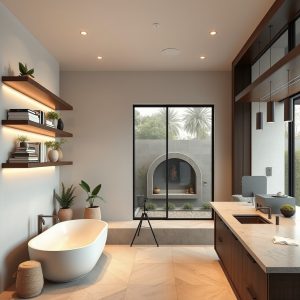
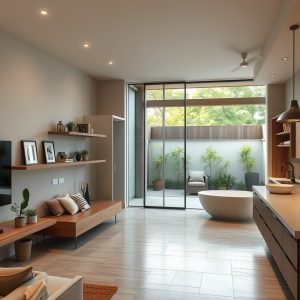
Floating shelves, on the other hand, celebrate the art of display. They allow homeowners to curate their spaces with intention, whether it’s a collection of vintage ceramics, a stack of well-loved books, or a few carefully chosen plants. The key is in the balance: too many items can feel cluttered, while too few can seem sparse. The magic happens when the shelves become a curated gallery, each object contributing to the narrative of the home. In a living room, a floating shelf might hold a mix of framed family photos, a small sculpture, and a potted succulent, creating a vignette that feels personal and inviting.
The Poetry of Curved Furniture and Textured Surfaces
Curved furniture is having a moment, and for good reason. These pieces soften the hard lines of modern architecture, introducing a sense of fluidity and movement. A rounded sofa invites conversation, its gentle curves creating an intimate seating arrangement. A circular dining table fosters connection, encouraging eye contact and shared experiences. Even in smaller spaces, curved furniture can make a room feel more expansive, as the eye is drawn along the smooth, continuous lines.
Textured surfaces, meanwhile, add a layer of tactile richness that engages the senses. A bouclé armchair, with its nubby, looped fabric, begs to be touched. A wall clad in reclaimed wood, its surface rough and uneven, adds warmth and character. Even in minimalist spaces, textured surfaces prevent the room from feeling sterile, infusing it with a sense of lived-in comfort. The interplay between curved furniture and textured surfaces creates a dynamic tension—softness meets roughness, fluidity meets structure—resulting in spaces that feel both modern and deeply human.
Biophilic Design: Bringing the Outdoors In
At the heart of tactile storytelling is biophilic design, the practice of integrating natural elements into the built environment. This goes beyond simply adding a few plants; it’s about creating a seamless connection between indoor and outdoor spaces. A wooden ceiling, its planks laid in a herringbone pattern, can evoke the dappled light of a forest canopy. A large, south-facing window framed by sheer linen curtains invites natural light to dance across the room, its intensity shifting with the time of day. Even the scent of a eucalyptus bundle in the shower can transport you to a sunlit grove, turning a routine into a ritual.
Biophilic design is about more than aesthetics; it’s about well-being. Studies have shown that exposure to natural elements—whether it’s the sight of greenery, the sound of water, or the feel of wood underfoot—can reduce stress and improve cognitive function. In a home designed with biophilia in mind, every detail is an invitation to slow down, to breathe, to connect with the world outside. It’s a reminder that our living spaces should nourish us, not just shelter us.
The Future of Modern Heritage: A Blend of Old and New
The most compelling modern homes are those that embrace the tension between old and new. They honor the past—through the use of aged metals, reclaimed wood, and time-worn textures—while embracing the innovations of the present, like smart bidets, hidden pantries, and sustainable materials. This is the essence of modern heritage: a design philosophy that values authenticity, craftsmanship, and intentionality. It’s about creating spaces that feel rooted in history yet forward-thinking, where every element has a purpose and a story.
Consider a kitchen where a smart bidet sits alongside a farmhouse sink, its porcelain surface worn by decades of use. The countertops are made from recycled glass, their speckled surfaces catching the light like a riverbed. The cabinets, crafted from mixed wood tones, tell a story of diversity and harmony. This is a space that celebrates the past while embracing the future, where technology and tradition coexist in perfect balance. It’s a reminder that the best homes are not just built; they are crafted, layer by layer, with care and intention.
The modern home is a living, breathing entity, a space that evolves with the people who inhabit it. It’s where the warmth of wood meets the cool elegance of metal, where the boldness of colour drenching is tempered by the quiet sophistication of hidden storage. It’s a sanctuary of tactile storytelling, where every texture, hue, and detail contributes to a narrative of comfort, innovation, and connection. In a world that often feels fragmented, these spaces offer a sense of wholeness—a place where the past and future come together to create something truly extraordinary.