The Modern Home as a Sanctuary of Fluid Abundance: How Floating Shelves, Outdoor Kitchens, and Earthy Palettes Craft a Life of Effortless Plenty
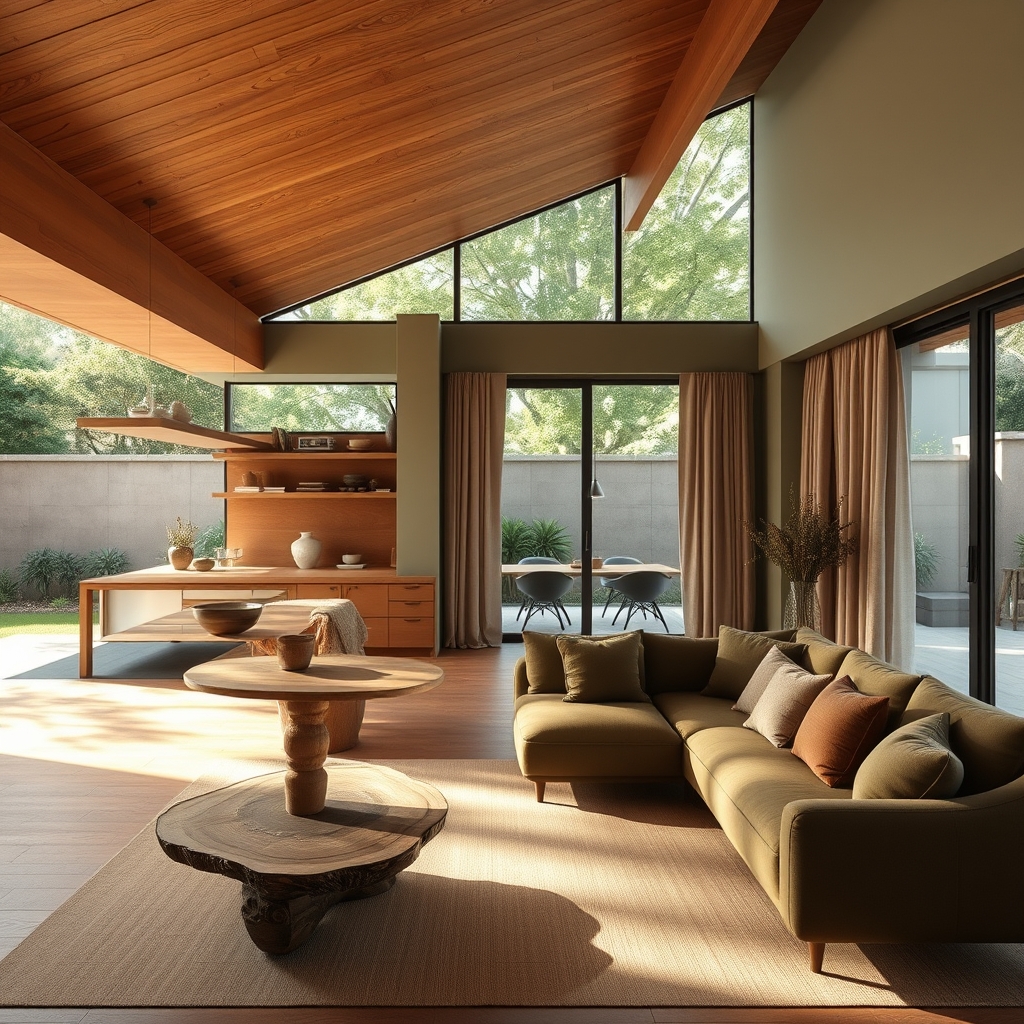
There’s a quiet revolution happening in the way we design our homes—one that embraces abundance without excess, luxury without pretension, and functionality without sacrifice. It’s a philosophy that marries the raw beauty of natural materials with the seamless efficiency of modern innovation, creating spaces that don’t just house our lives but elevate them. At the heart of this movement lies a trio of elements that, when woven together, transform a house into a sanctuary of fluid abundance: floating shelves, outdoor kitchens, and earthy palettes.
The Floating Shelf: Where Form Meets Infinite Possibility
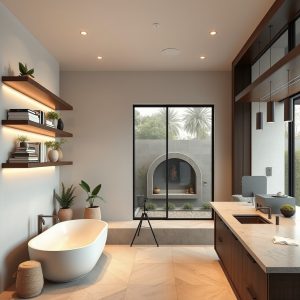
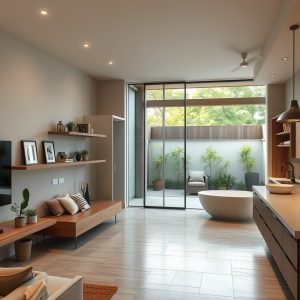
Floating shelves are more than just a storage solution; they’re a statement of modern minimalism with a twist. Unlike traditional shelving, they defy gravity, creating the illusion of objects suspended in mid-air. This visual lightness opens up a room, making even the smallest spaces feel expansive. But their true magic lies in their versatility. A floating shelf can be a gallery for cherished art, a display for curated collections, or a functional perch for everyday essentials—all while maintaining a clean, uncluttered aesthetic.
In a kitchen, floating shelves can replace bulky cabinets, offering an airy alternative that puts beautiful dishware and glassware on full display. In a living room, they can frame a statement piece of art or a beloved plant, drawing the eye upward and creating vertical interest. The key is in the balance: too many shelves can feel overwhelming, but the right number—strategically placed—can turn a blank wall into a dynamic focal point. The materials matter, too. Warm wood tones or matte finishes in earthy hues reinforce the connection to nature, while sleek metals or aged brass add a touch of modern sophistication.
The Outdoor Kitchen: Blurring the Lines Between Inside and Out
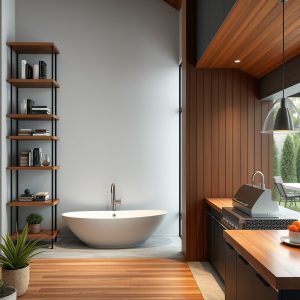
The outdoor kitchen is no longer a luxury reserved for sprawling estates. Today, it’s a staple of modern living, a space that extends the home’s footprint into the natural world. But this isn’t just about slapping a grill on a patio. The modern outdoor kitchen is a fully integrated extension of the indoor living space, designed with the same care and attention to detail as its interior counterpart.
Imagine a kitchen where the countertops are crafted from durable, weather-resistant stone in warm, earthy tones—think terracotta, slate, or sandy beige. Stainless steel appliances are seamlessly integrated, their sleek surfaces reflecting the dappled light of the surrounding greenery. A built-in pizza oven or smoker adds a touch of rustic charm, while a refrigerated drawer keeps ingredients fresh and drinks chilled. The real genius, though, lies in the layout. Zoning is key: a prep area near the grill, a serving station by the dining table, and a lounge space with comfortable seating, all arranged to encourage flow and conversation.
The outdoor kitchen isn’t just about cooking; it’s about living. It’s where morning coffee is sipped as the sun rises, where family dinners stretch long into the evening, and where impromptu gatherings turn into cherished memories. By bringing the kitchen outside, we’re not just expanding our square footage—we’re expanding our lives.
Earthy Palettes: The Foundation of Fluid Abundance
If floating shelves and outdoor kitchens are the bones of this design philosophy, then earthy palettes are the soul. These are the colors that ground a space, creating a sense of warmth, stability, and connection to the natural world. Think of the soft greens of moss, the deep browns of rich soil, the warm terracottas of sunbaked clay, and the muted grays of weathered stone. These hues don’t just decorate a room; they shape its energy, evoking a sense of calm and abundance that synthetic colors simply can’t replicate.
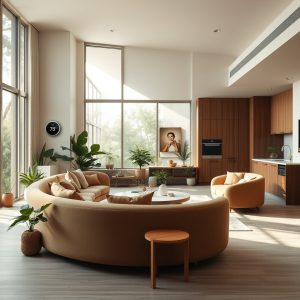
But earthy palettes aren’t limited to walls and furnishings. They extend to every element of the home, from the textiles on the sofa to the tiles in the bathroom. A living room might feature a deep olive sofa paired with linen curtains in a warm oatmeal tone, while the kitchen could boast terracotta backsplash tiles and wooden countertops in a rich walnut finish. The key is in the layering—mixing textures and tones to create depth and interest without overwhelming the space.
One of the most powerful ways to incorporate earthy palettes is through colour drenching, a technique where a single hue is used across multiple surfaces to create a cohesive, immersive experience. For example, a bedroom might be drenched in a soft sage green, from the walls to the bedding to the upholstered headboard. The effect is soothing and enveloping, like being wrapped in a blanket of nature. When paired with natural materials like wood and stone, the result is a space that feels both luxurious and deeply comforting.
Bringing It All Together: A Home That Feels Like Plenty
The beauty of this approach to design is that it doesn’t require grand gestures or expensive overhauls. It’s about making intentional choices—choosing materials that feel good underfoot, colors that soothe the soul, and layouts that encourage connection. A floating shelf here, a splash of terracotta there, a well-placed outdoor kitchen—these elements work together to create a home that feels abundant in the best possible way: not through excess, but through thoughtfulness.
This is the essence of modern heritage. It’s not about chasing trends or accumulating things; it’s about crafting a space that feels like a true reflection of the life you want to live. A home where every detail has been considered, where every surface tells a story, and where the boundaries between inside and out, form and function, luxury and simplicity blur into something effortlessly beautiful. It’s a sanctuary of fluid abundance, where life isn’t just lived—it’s savored.